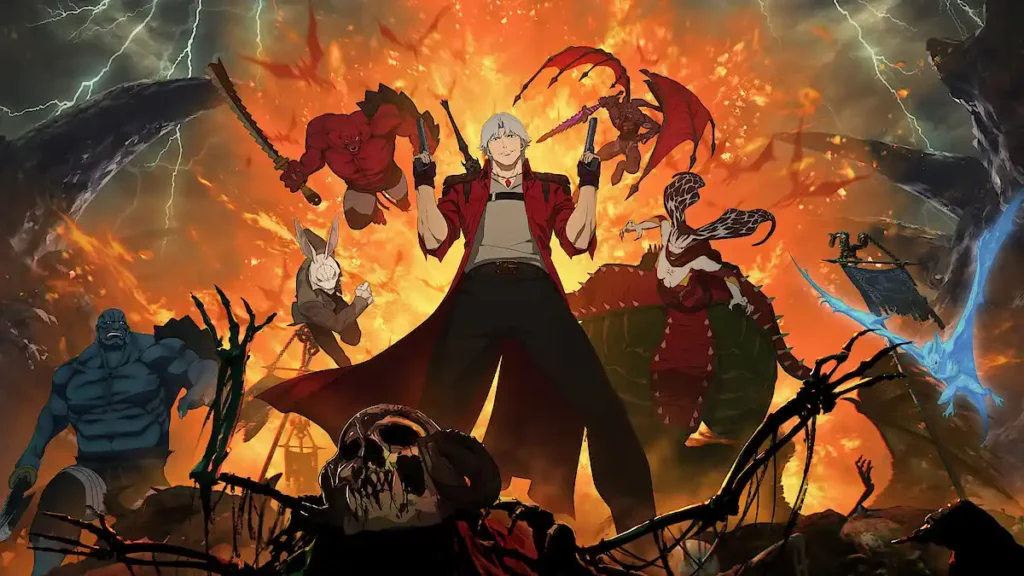
The return of Dante to the small screen is not merely a win for fans of the hack and slash genre; it is a calculated victory for Capcom and its ongoing media expansion strategy. On May 13, 2026, the gaming world received confirmation that the long awaited second season of the animated series has officially arrived. As the official Devil May Cry community portal announced, and as reported by Steam, the show is now streaming exclusively on Netflix. This launch follows a period of intense anticipation, marking a pivotal moment for a franchise that has always prioritized aesthetic flair and mechanical precision over conventional storytelling. Led by showrunner Adi Shankar and animated by the legendary Studio Mir, the series aims to capture the kinetic energy that defined the games since their inception on the PlayStation 2. This is not just another adaptation; it is a testament to the enduring power of the Stylish Action sub-genre.
Historically, Devil May Cry has occupied a unique space in the gaming pantheon. While other series pivoted toward gritty realism or open world exploration, Capcom stayed true to the core identity of Dante and his demon hunting escapades. This commitment to a specific, high energy vibe has paid off handsomely in recent years. We have seen Capcom dominate the charts with various releases, including the recent success where Pragmata surpassed two million sales in record time. The synergy between their gaming releases and their animated ventures suggests a publisher that finally understands how to translate interactive joy into passive entertainment without losing the soul of the source material. The presence of Adi Shankar, known for his work on the Castlevania series, provides a level of creative security that few other adaptations can claim. His involvement suggests a deep reverence for the lore, even when the narrative takes the necessary liberties required for a television format.
The Context
To understand why Season 2 matters, one must look at the landscape of 2026. The gaming industry is currently obsessed with cross media ecosystems. Netflix has become the de facto home for these high quality transitions, leveraging its massive subscriber base to breathe new life into legacy IPs. The announcement on May 13, 2026, follows a trend where Steam acts as a primary communication hub for these multimedia projects, bridging the gap between PC players and streaming audiences. This specific release window is crucial; it lands right as the industry begins its summer hype cycle, ensuring maximum visibility for the Devil May Cry brand. The collaboration with Studio Mir is also significant. Having worked on The Legend of Korra and Voltron: Legendary Defender, the studio brings a level of fluid, hand drawn animation that CGI often struggles to replicate in high speed combat sequences.
The first season established the foundational conflict between Dante and the forces of the underworld, but it also left fans hungry for the inclusion of series staples like Vergil, Lady, and Trish. The mention of a reunion in the promotional materials suggests that Season 2 is ready to dive into the complicated familial dynamics that have defined the games for over two decades. It is a smart move by Capcom. By focusing on the emotional core of the Sparda bloodline, they provide a narrative hook that complements the inevitable bloodbath of demon slaying. This approach mirrors the success seen in community driven projects, such as when the DMC3 Crimson Mod demonstrated that fans are still deeply invested in the mechanics and lore of the older titles. The anime serves as a bridge, connecting the nostalgia of the past with the technical capabilities of modern animation.
The Analysis
The technical execution of Season 2 appears to be a direct response to the criticisms of modern animated shortcuts. In an era where many studios are leaning heavily on AI assisted workflows or low frame rate CGI, Studio Mir continues to champion high fidelity character acting and environmental detail. This is essential for a property like Devil May Cry. If the combat does not look stylish, the show fails. The choreography in the early episodes of Season 2 shows a profound understanding of Dante’s move set, from his dual pistols, Ebony and Ivory, to the heavy swings of the Rebellion sword. Every frame feels intentional, capturing the frame perfect timing that players have spent years mastering in the digital arena. This level of detail is expensive and time consuming, which explains the gap between seasons, but the results are undeniable on screen.
From a business perspective, the exclusive partnership with Netflix remains a double edged sword. While it provides Capcom with a global platform and a significant production budget, it also tethers the franchise to the whims of a streaming giant known for its volatile renewal cycles. However, the Devil May Cry brand seems more resilient than most. Unlike live service experiments that often falter, such as when Sega canceled its Super Game project, Capcom is doubling down on curated, high quality experiences. They are betting that a premium animated series will drive interest back to the games, creating a self sustaining loop of sales and viewership. This strategy is particularly effective for Steam users, who often see these announcements directly in their library feeds, leading to immediate spikes in player counts for titles like Devil May Cry 5.
- Creative Leadership: Adi Shankar provides a distinct tonal consistency that aligns with the over the top nature of the games.
- Animation Pedigree: Studio Mir ensures that the action sequences maintain the series’ signature flow and impact.
- Platform Strategy: The Netflix exclusivity targets a broad demographic while the Steam announcement captures the core gaming audience.
- Narrative Depth: Season 2 shifts focus toward the reunion of key characters, potentially exploring the Dante and Vergil rivalry in more detail.
- Brand Synergy: The timing of the release strengthens Capcom‘s overall portfolio during a competitive 2026 release schedule.
- Visual Fidelity: A refusal to use generic cinematic realism allows the show to maintain its unique Gothic anime aesthetic.
The Jay Respawns Position
At Jay Respawns, we have often argued that the biggest mistake a game adaptation can make is trying to be too much like a movie. Devil May Cry Season 2 succeeds because it embraces the fact that it is an anime based on a video game. It does not apologize for its absurdity; it celebrates it. The industry is currently at a crossroads where generic cinematic realism is dying, and in its place, we are seeing the rise of stylized, auteur driven projects. Adi Shankar and Studio Mir understand that Dante is not a character who needs a gritty origin story or a deconstructed psyche. He needs a pizza, a sword, and a horde of demons to dismantle in the most aesthetically pleasing way possible. By leaning into this, the show avoids the pitfalls of being boring, which is the ultimate sin for this franchise.
There is a certain honesty in the way Capcom handles their IP. They know their audience. They know that we want to see Dante being a cocky, invincible demon hunter, and they know that Studio Mir can deliver the visual spectacle required to make that believable. While other studios are busy worrying about hardware bans or early build leaks, Capcom is quietly building a multimedia empire that actually feels cohesive. The decision to launch on May 13, 2026, without a massive, bloated marketing campaign speaks to their confidence in the product. They are letting the work speak for itself, and in the case of Devil May Cry, the work is loud, flashy, and utterly unapologetic.
Ultimately, Season 2 is a reminder that style is a substance of its own. In the world of Dante, how you do something is just as important as what you are doing. This philosophy has carried the games through five main entries and numerous spin offs, and it is now carrying the animated series to new heights. If you are looking for a deep, philosophical exploration of the human condition, you might want to look elsewhere. But if you want to see the most stylish action currently available on any streaming platform, then the reunion on Netflix is exactly where you need to be. Capcom has proven once again that they are the masters of their own destiny, and Dante remains the undisputed king of cool.
The devil is in the details, and for Dante, those details have never looked better.

Comments