
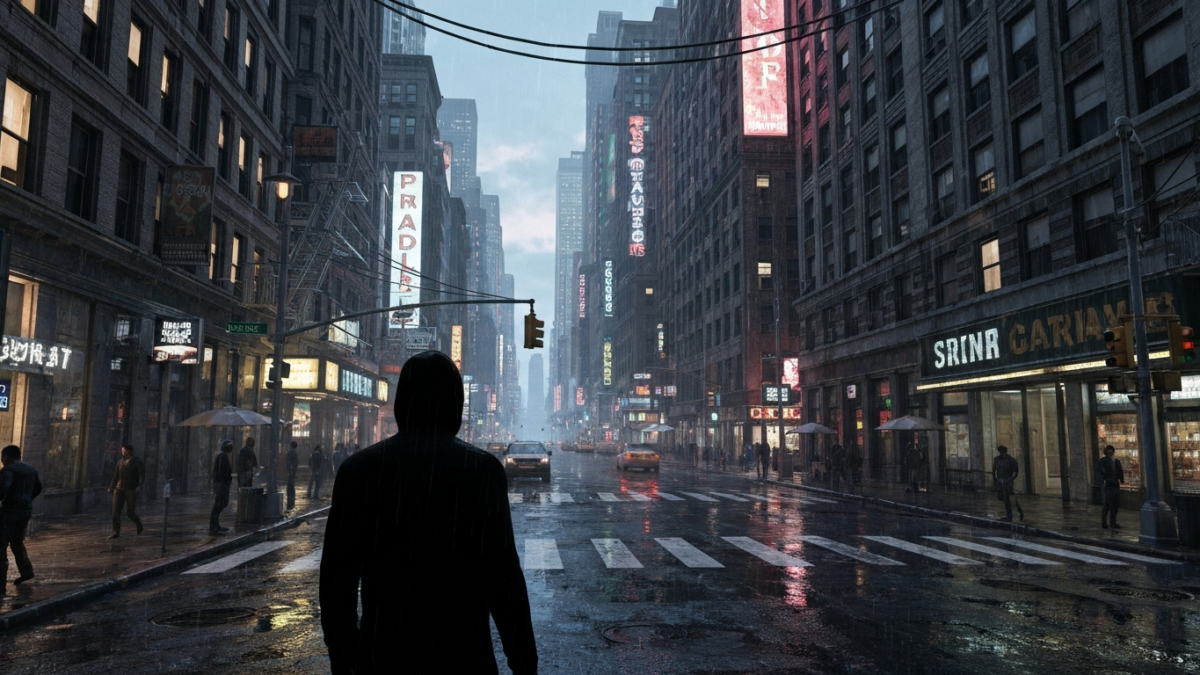
Rockstar Games pulled off some serious technical wizardry with Grand Theft Auto III, managing to cram an entire, bustling Liberty City onto the PlayStation 2‘s famously constrained 32MB of RAM. This monumental feat, which fundamentally changed open-world gaming, is meticulously explored in a fascinating video analysis, as highlighted by Push Square. While other open-world titles like Shenmue predated GTA 3‘s Japanese release by a couple of years, none offered the sheer scale and interactive freedom that players experienced upon GTA 3‘s launch. The techniques pioneered and perfected by Rockstar for this groundbreaking title continue to influence game development today, demonstrating their enduring legacy in pushing the boundaries of what’s possible on console hardware. For more on Rockstar’s ongoing commitment to its classic titles, check out our piece on Rockstar Games job listings hinting at more remasters.
The Breakdown
- The optimization techniques used in GTA 3 on the PlayStation 2 are thoroughly detailed in a video by Game Maker’s Tool Kit, hosted by Mark Brown.
- Rockstar effectively divided Liberty City into a grid of squares, dynamically loading and unloading assets into the PS2‘s 32MB RAM as the player approached or moved away from specific areas.
- This intelligent asset streaming allowed the game to constantly repopulate the RAM with necessary information while flushing out data no longer in immediate view, circumventing the PS2‘s memory limitations.
- The video also comprehensively explains how Rockstar addressed common technical challenges such as pop-in, texture streaming, and the comparatively slow read speed of the PS2‘s DVD drive.
- The optimization strategies employed in GTA 3 were further refined in its superior successors, Grand Theft Auto: Vice City and Grand Theft Auto: San Andreas, which became two of the best-selling PS2 games of all time, and remain foundational to modern open-world titles like Red Dead Redemption 2 and the upcoming Grand Theft Auto VI.
The Jay Respawns Take
It’s easy to forget just how revolutionary Grand Theft Auto III was when it first dropped on the PlayStation 2. We’re talking about a console with a mere 32MB of RAM, yet Rockstar Games delivered a sprawling, fully 3D urban sandbox, Liberty City, that felt alive. This wasn’t just good game design; it was a masterclass in technical sorcery. The genius of dividing the city into dynamic squares and intelligently streaming assets in and out of memory was a game-changer. It allowed for an unprecedented sense of scale and freedom, proving that hardware limitations are merely challenges for truly innovative developers to overcome. This isn’t just historical trivia; it’s a blueprint for efficiency that still informs how gigantic open worlds are crafted today.
The fact that these fundamental techniques, explained so brilliantly by Game Maker’s Tool Kit’s Mark Brown, are still in use in titles as massive as Red Dead Redemption 2 speaks volumes. Rockstar didn’t just make a hit game; they established a paradigm for open-world development. As we look towards Grand Theft Auto VI, it’s clear Rockstar‘s DNA of pushing boundaries and optimizing for incredible experiences remains intact. They didn’t just squeeze a city into the PS2; they squeezed an entire future of gaming into it. That’s Fast & Meaty.
Stay tuned to Jay Respawns for all the latest on Rockstar’s groundbreaking titles!




Comments