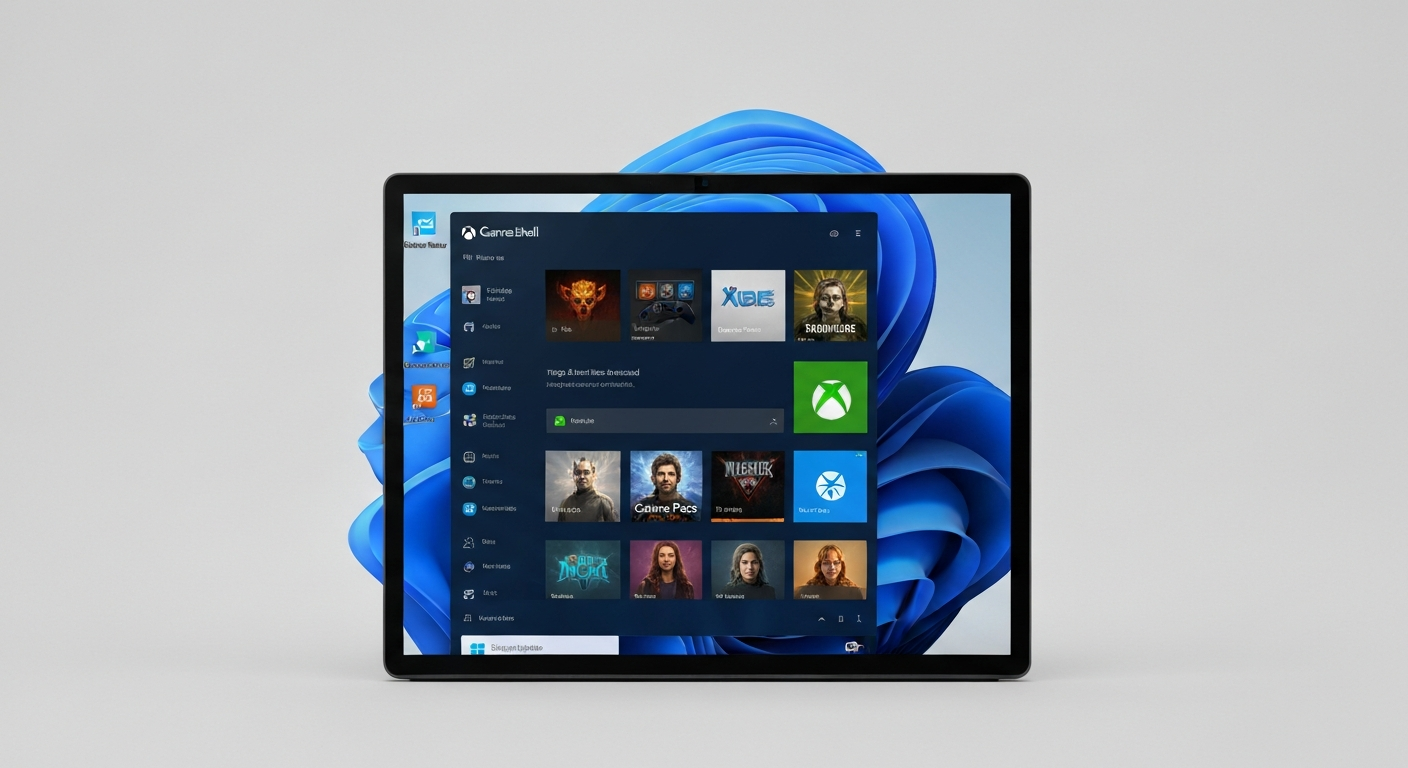
Microsoft is testing a native, controller-friendly Xbox Mode for Windows 11 to bridge the gap between desktop computing and handheld gaming. This initiative. Known internally as Project Helix. Represents the final step in turning the Windows operating system into a universal gaming console.
The Deep Dive: Unifying the Fragmented Windows Experience
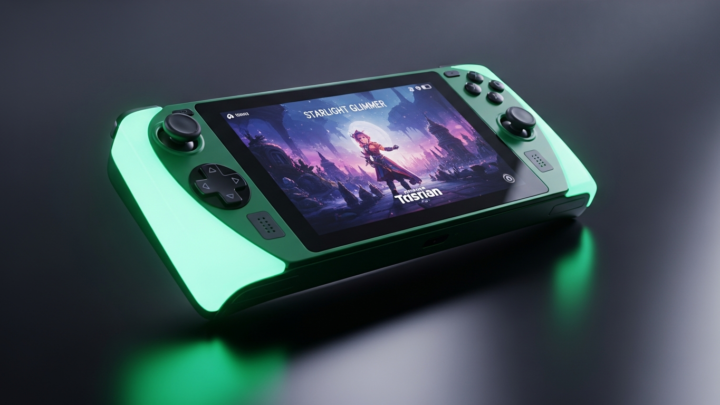
For over a decade. Microsoft has struggled to define what “Xbox” actually is. Is it a black box under your television. Is it a subscription service. Is it an app on your phone. With the arrival of the Project Helix hybrid UI. We finally have an answer. Xbox is a software layer that intends to swallow Windows 11 whole. The new console-like mode is designed specifically for the surging handheld market. Devices like the ROG Ally and the Lenovo Legion Go have proven that gamers want portable PC power. However. The Windows 11 desktop environment is a nightmare on a seven-inch touchscreen. It is clunky. It is imprecise. It requires a mouse and keyboard for basic navigation.
The pros of this shift are immediate. By implementing a dedicated Game Shell. Microsoft removes the friction of the desktop. Users will boot directly into a tiled interface. This interface mimics the Xbox Dashboard. It prioritizes Game Pass titles. It streamlines system settings like brightness and Wi-Fi. It creates a “lean-back” experience that has been missing from PC gaming. The cons are equally significant. Microsoft has a history of forcing experimental UIs on its users. We remember the Windows 8 tiles. Those were widely hated. There is a risk that this hybrid UI will feel like another layer of bloatware. It might prioritize the Microsoft Store over competitors like Steam or Epic Games Store. This could lead to a walled garden. That is exactly what PC gamers have spent thirty years fighting against.
Technical Breakdown: Performance and Hardware Logistics
From a technical standpoint. Project Helix is more than just a skin. It involves deep integration with the Windows Kernel to prioritize gaming resources. We are looking at a more aggressive implementation of Game Mode. This version will likely suspend background processes more effectively than the current iteration. One major focus is DirectStorage. This API allows the GPU to access SSD data directly. It reduces load times. It brings PC performance in line with the Xbox Series X architecture. On handheld hardware. Every watt of power matters. A streamlined UI means fewer CPU cycles are wasted on rendering the Windows desktop shell. This could result in a 5 to 10 percent increase in battery life. That is a massive win for mobile users.
The distribution logistics are also changing. Microsoft is working on a dynamic scaling system. This system detects when a controller is the primary input. It then triggers the Helix UI automatically. This is a “hot-swap” capability. You can be working on an Excel sheet. You plug in a controller. The system pivots to a console environment. This requires DPI scaling improvements that Windows has historically struggled to master. If Microsoft nails the Handheld Shell. It eliminates the need for third-party launchers. It makes the Windows 11 experience feel native rather than improvised. This is a direct shot at SteamOS. Valve has dominated the handheld space because their software is purpose-built. Microsoft is finally fighting back with the full weight of the Windows ecosystem.
Industry Impact: Sony and Nintendo in the Crosshairs
This move sends a clear message to Sony and Nintendo. Microsoft is no longer interested in winning the “box war.” They are winning the distribution war. Sony is currently tethered to a traditional hardware cycle. While they have started porting games to PC. They lack a unified OS that spans from the living room to the palm of your hand. The PlayStation Portal is a remote play device. It is not a standalone console. If any Windows laptop can suddenly become an Xbox. The value proposition of a PlayStation 6 begins to blur. Microsoft is turning every PC manufacturer into an Xbox manufacturer. This is a genius move. They let ASUS and MSI take the hardware risks. Microsoft simply collects the Game Pass royalties.
Valve should also be concerned. The Steam Deck thrives because Windows was too bloated for handhelds. If Project Helix delivers a lightweight. High-performance UI. The primary advantage of Linux-based SteamOS evaporates. Microsoft has the advantage of native compatibility. They do not need a compatibility layer like Proton. Every anti-cheat software works on Windows. Every major AAA release works on Windows. By fixing the interface. Microsoft is removing the only reason a gamer would choose SteamOS over the traditional Windows environment. This is a play for total market dominance in the portable sector.
Editor’s Take: The Noir Verdict on a Hybrid Future
I have covered this industry for fifteen years. I have seen countless “console killers” come and go. Usually. They are over-hyped hardware sticks or failed cloud services. Project Helix is different. This is a fundamental shift in the DNA of Microsoft. It represents the realization that the OS is the product. For the Noir gaming audience. This matters because it respects our time. We are older now. We want the power of a 4090 rig but the convenience of a Nintendo Switch. We want to finish a session of Cyberpunk 2077 at our desk. We then want to pick up a handheld and continue from the couch without fighting with a mouse cursor on a tiny screen.
The “Noir” aesthetic is about precision. It is about sleek. Minimalist efficiency. A dark-mode Xbox UI that integrates perfectly with Windows 11 is the ultimate realization of that goal. My verdict is simple. This is the most important move Microsoft has made since the acquisition of Activision Blizzard. They are finally leveraging their greatest asset. Windows dominance. They are using it to solve the friction of PC gaming. If they can keep the UI clean. If they can avoid the urge to fill it with advertisements. This will be the definitive way we play games for the next decade. The era of the single-purpose console is ending. The era of the Hybrid PC is here. It is dark. It is powerful. It is exactly what we have been waiting for.