
The News
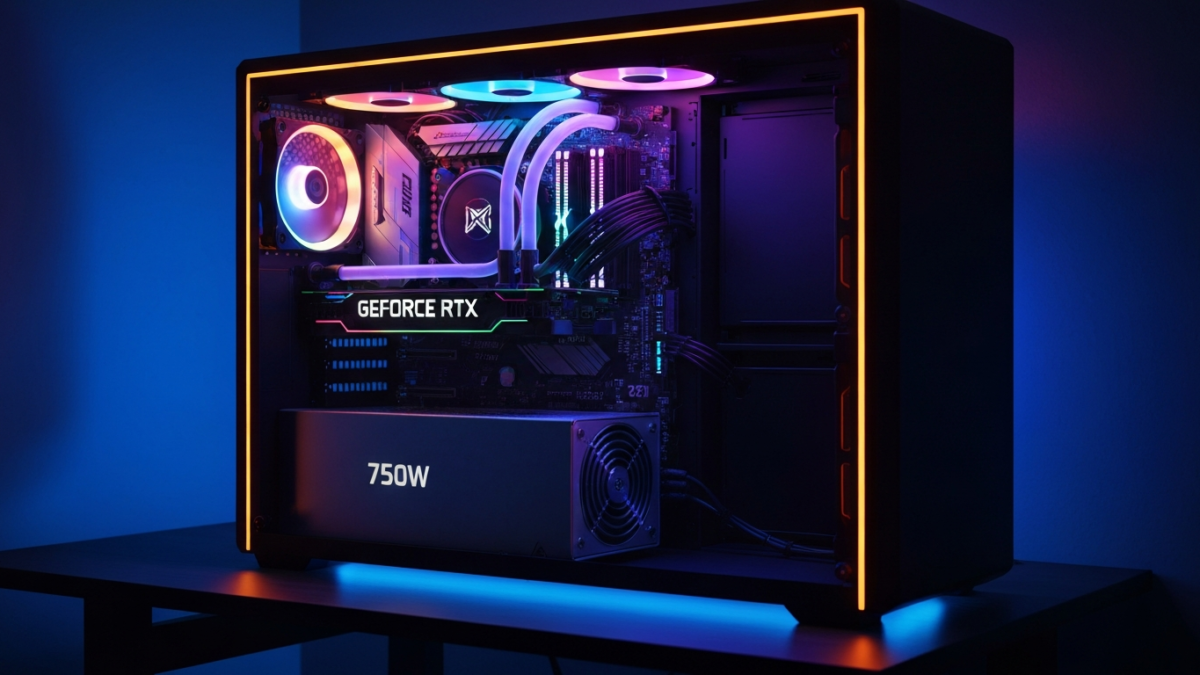
A recent hardware discussion ignited on the NVIDIA subreddit concerning the optimal power supply for the potent GeForce RTX 3080 Ti graphics card. The core of the debate, which surfaced on May 9, 2026, revolves around whether a 650W or 750W Power Supply Unit (PSU) is sufficient to reliably power this high-performance GPU, a crucial consideration for PC builders looking to maximize their system’s stability and longevity without overspending. This query, initially raised by a user, quickly became a focal point for PC builders seeking clarity on power requirements for one of NVIDIA‘s top-tier cards.
The discussion highlights a common dilemma for enthusiasts: balancing cost-effectiveness with performance headroom. While a 650W unit might seem adequate on paper for some configurations, the RTX 3080 Ti is known for its significant power draw, especially under load, making the choice between 650W and 750W more critical than it appears. The community’s engagement underscores the importance of proper power delivery for modern graphics cards, which can experience performance dips or instability if starved of power.
The Breakdown
- The NVIDIA GeForce RTX 3080 Ti has a specified Thermal Design Power (TDP) or Total Graphics Power (TGP) of 350W, indicating its substantial energy consumption during operation.
- NVIDIA‘s official recommendation for the RTX 3080 Ti is typically a 750W PSU, providing a buffer for the GPU’s peak power demands and other system components.
- A 650W PSU, while potentially capable of booting a system with a 3080 Ti, leaves very little headroom for the CPU, motherboard, storage, and other peripherals, especially during gaming or intensive tasks.
- Transient power spikes, where the GPU briefly draws significantly more power than its TGP, can cause a 650W PSU to trip, leading to system crashes or instability, particularly with lower-quality units.
- Opting for a 750W PSU, or even an 850W unit for greater future-proofing and stability, ensures that the system has ample power reserves, preventing performance bottlenecks and extending component lifespan.
The Jay Respawns Take
Look, when you’re shelling out for a beast like the RTX 3080 Ti, skimping on the PSU is like putting bicycle tires on a Ferrari. It just doesn’t make sense. While a 650W unit might technically get your system to POST, you’re playing a dangerous game with stability and performance. Modern GPUs, especially those in the 30-series, are notorious for transient power spikes that can momentarily pull well over their stated TGP. A 650W PSU, even a high-quality one, will be operating at or near its maximum capacity far too often, reducing its efficiency, generating more heat, and significantly shortening its lifespan. You’re inviting crashes, stuttering, and potential component damage.
The sensible, authoritative choice here is unequivocally the 750W PSU, minimum. This provides the necessary headroom for the 3080 Ti‘s demanding power profile, accommodates your CPU, RAM, and storage, and offers a crucial buffer for those unpredictable power spikes. Investing in a quality 750W or even an 850W PSU isn’t just about ensuring your rig runs today; it’s about future-proofing, maintaining system stability, and protecting your expensive components in the long run. Don’t cheap out on the one component that powers everything else; your gaming experience, and your wallet, will thank you.
Stay powered, stay gaming.


Comments