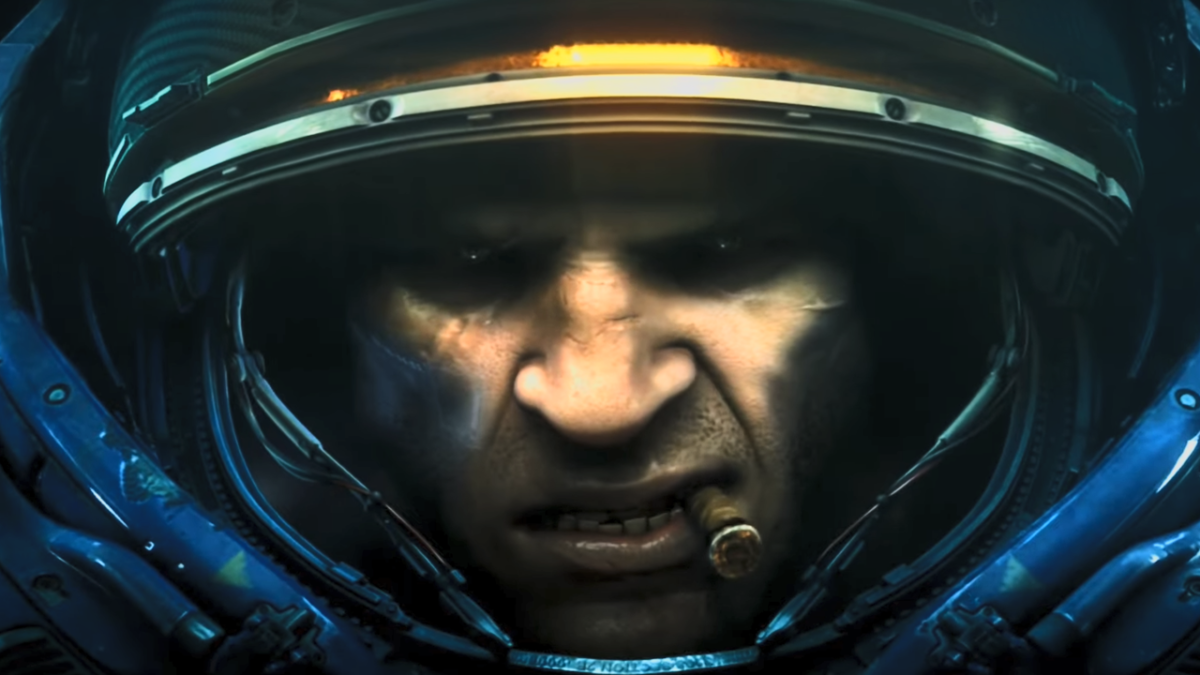
Blizzard just did something nobody expected: it reached back into its archive, dusted off a game it officially stopped developing content for in 2020, and dropped one of the most disruptive patches in StarCraft 2’s sixteen-year history. Patch 5.0.16, currently live on the PTR, cuts starting workers from 12 to 8, restructures base economics across the board, reworks the Protoss Warpgate from the ground up, and nerfs the Terran Ghost. Six years of developer silence and this is what breaks it, which says a lot about what Blizzard is actually trying to accomplish.
The scale of the intervention is worth spelling out. Blizzard did not tweak a cooldown or adjust an armour value. The official 5.0.16 PTR patch notes show over 50 changes touching the fundamental economy: default large mineral patches drop from 1,800 to 1,600; small patches rise from 900 to 1,200; vespene geysers increase from 2,250 to 2,500 per base (total gas per base up from 4,500 to 5,000); rich vespene geyser trips drop from 8 to 6 minerals per run; and supply from all three factions’ main structures is cut by two. The stated goal is to extend the early and mid-game, letting players compete on one to three bases longer before the macro snowball takes over. That is a philosophy change, not a balance pass.
Ten Years of Muscle Memory, Scrapped in One PTR Build
The community reaction has been almost universally stunned and, surprisingly, positive. Pro players, analysts, and top-ranked ladder grinders agree that the ten-year-old tactical playbook is now scrap. The 12-worker start was the foundation of virtually every timing, opener, and build-order calculation in the modern game. Cutting it to 8 does not just slow the opening; it invalidates the mental library that every competitive player has spent thousands of hours building. Most of the scene appears willing to accept that pain because the alternative, another few years of crystallised meta with no developer input, was clearly less tolerable.
Jay Respawns’ position is this: Blizzard made the right design call, but the community should be cautious about what it is actually celebrating. This patch is not a recommitment to StarCraft 2; it is a market diagnostic dressed up as developer generosity. When a publisher that walked away from active content development in 2020 suddenly invests a balance team’s time into 50+ changes, the business logic matters as much as the design logic. Blizzard is measuring how many active players re-engage and how quickly the competitive scene responds. That data informs decisions about a potential StarCraft 3 far more than it reflects a genuine renewed commitment to SC2.
The Warpgate Rework Reveals the Real Scope of Intent
The Protoss Warpgate structural rework is the change that makes the patch’s ambition legible. Warpgate has been the single most complained-about mechanic in competitive SC2 for years, and Blizzard declined to touch it throughout the game’s supported lifecycle. The fact that they chose to address it now signals real internal deliberation rather than a team that spun up for a weekend project. The Ghost nerf reinforces the same reading: Terran Ghosts have defined TvZ and TvP late-games for years, and nerfing them while simultaneously restructuring the economy is a coordinated effort to open strategic paths that dominant meta solutions had closed off. The design ambition is real and coherent. The open question is whether Blizzard commits to maintaining what it has started.
The Argument for Staying Sceptical
The strongest case against getting too excited is straightforward: this is PTR, not live, and there is no commitment from Blizzard to any patch cadence beyond this one. Competitive players at the top level of play, the kind who compete at events like the Esports World Cup, need to know what the game looks like in three months, not just today. A single dramatic intervention followed by another multi-year silence would do more damage to the competitive ecosystem than no patch at all, because it shatters the self-sustaining meta the community built during the years of developer absence without replacing it with something developers actively maintain. The community is right to engage with this patch seriously, but the engagement should come with a clear demand, not just appreciation.
What Blizzard Actually Owes the Scene
If 5.0.16 ships to live and the scene re-engages, Blizzard has an obligation it has historically been bad at honouring: consistent, transparent communication. Not annual developer updates and not surprise PTR drops, but a regular cadence of minor balance adjustments, patch notes with reasoning, and acknowledgement that the players who kept StarCraft 2 alive during six years of developer silence are not a marketing asset to be activated when it suits the IP roadmap.
Patch 5.0.16 is the most interesting thing to happen to StarCraft 2 in a decade. Cutting workers from 12 to 8, restructuring mineral and gas values at every base, reworking Warpgate, nerfing the Ghost across 50+ changes: this is the scale of disruption a meta-stagnant game needed. But the correct community response is not gratitude. It is a demand for follow-through. Blizzard earns goodwill by staying, not by showing up.


Comments