
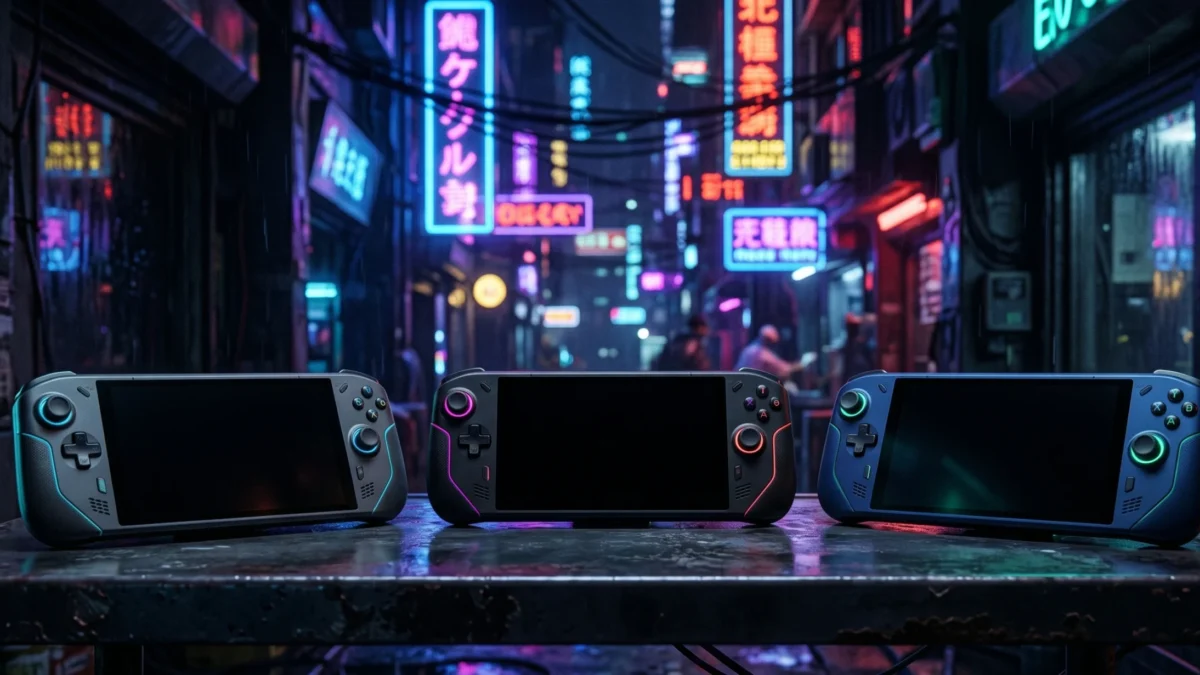
The portable gaming market is facing an undeniable physics problem. As we navigate through 2026, the demand for desktop-class performance in mobile form factors has reached a fever pitch.
We have moved far beyond the simple emulation devices of yesteryear. Today, players expect uncompromised frame rates, advanced ray tracing, and high-fidelity textures while sitting on a train or waiting in an airport terminal.
The Hard Reality of the Handheld PC Hardware
The Switch 2 Battery Regression
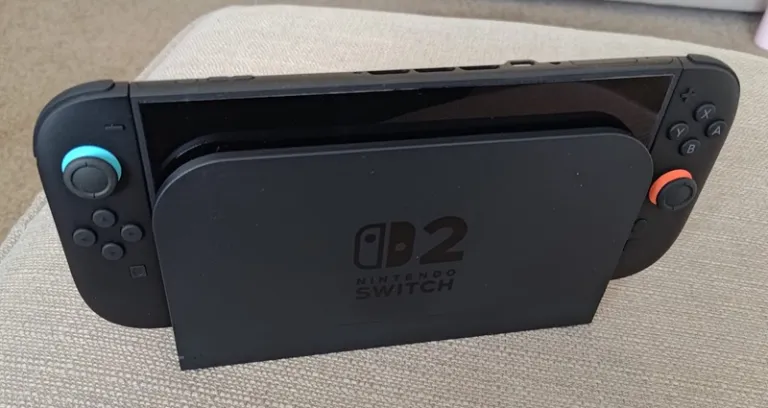
Nintendo made a highly controversial choice with its newest hybrid console. The Nintendo Switch 2 features a 5,220 mAh battery, equating to roughly 19.74 Watt-hours of total capacity. Despite being physically larger than the original console’s battery, the incredibly demanding Ampere-based GPU and 12GB of LPDDR5X RAM result in an estimated runtime of just 2 to 6.5 hours. Independent testing confirms that the device hits its first low battery warning at roughly 2 hours and 7 minutes under heavy load. This is a step backward from the highly efficient OLED model, proving that brute-forcing high-end graphics and hardware ray tracing on a sub-20Wh battery is a losing battle. The decision to revert to a power-hungry 7.9-inch LCD panel certainly does not help the situation.
ASUS Chooses Brute Force
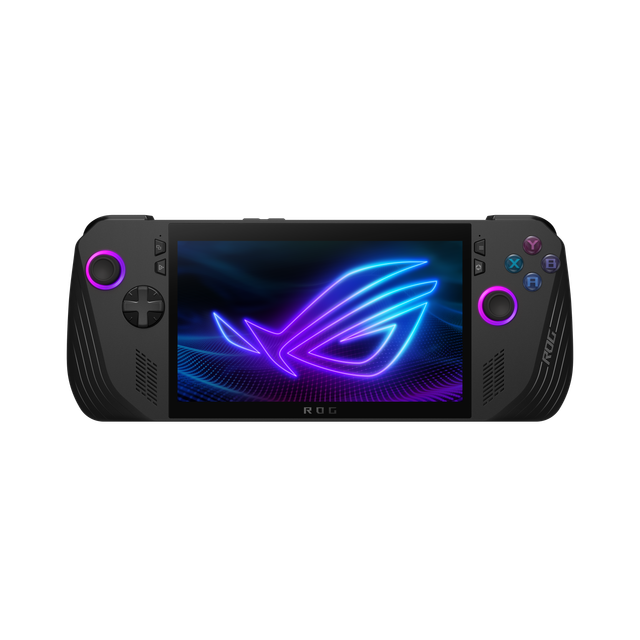
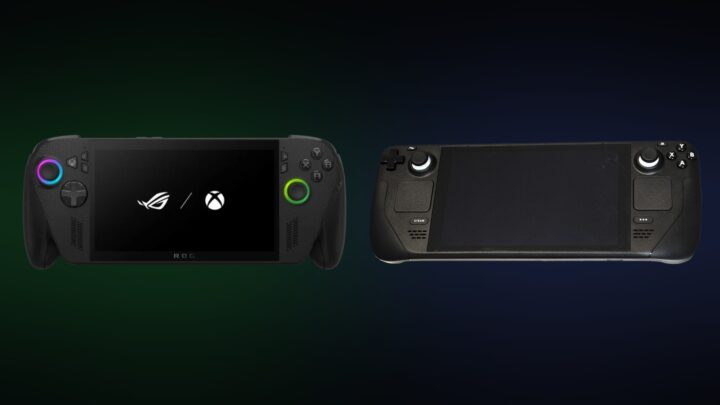
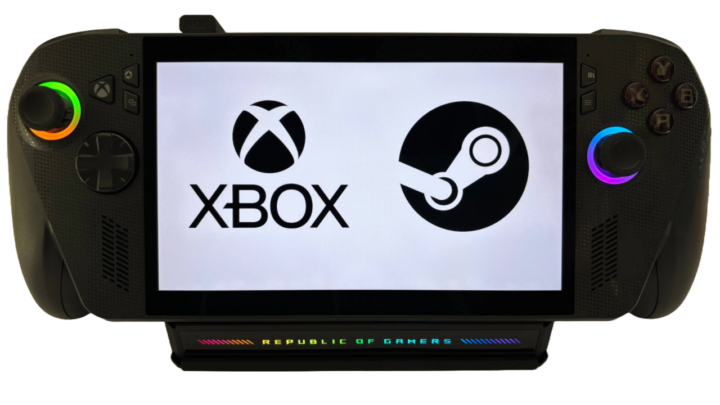
The ROG Xbox Ally X takes the exact opposite approach to power management. Instead of sacrificing graphical fidelity to preserve battery life, ASUS engineers completely redesigned the internal chassis to accommodate a massive 80Wh battery. This allows the Windows 11 device to sustain its maximum 30W Turbo mode for nearly two hours, or hit up to 2 hours and 45 minutes on the 17W performance profile. While this solves the runtime issue on paper, it fundamentally alters the portability of the device, pushing the weight significantly higher. The inclusion of 100W USB-C fast charging helps mitigate the inevitable downtime, charging from near dead to full in about 90 minutes, but carrying a heavy console and a massive power brick is the hefty price you pay for untethered PC gaming.
Valve Masters the Balancing Act
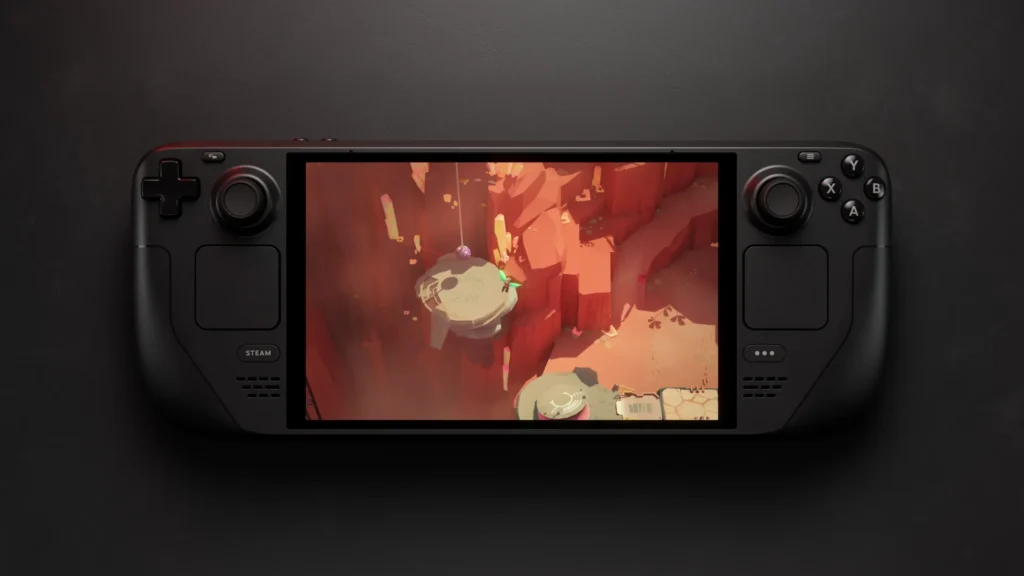
The Steam Deck OLED remains the absolute benchmark for intelligent power management in the portable space. Valve collaborated closely with AMD to transition their custom APU to a 6nm process and paired it with a thick 50Wh battery. By strictly capping the system at 15W and utilizing a highly efficient HDR OLED panel, the device matches the heavy-load runtime of the Switch 2, hitting exactly 2 hours and 9 minutes before total depletion. However, under lighter loads, the heavily optimized Linux-based SteamOS can scale the power down dynamically, yielding up to 12 hours of playtime for independent titles or emulation. It is a masterclass in software and hardware cohesion.
The Illusion of Retro Efficiency
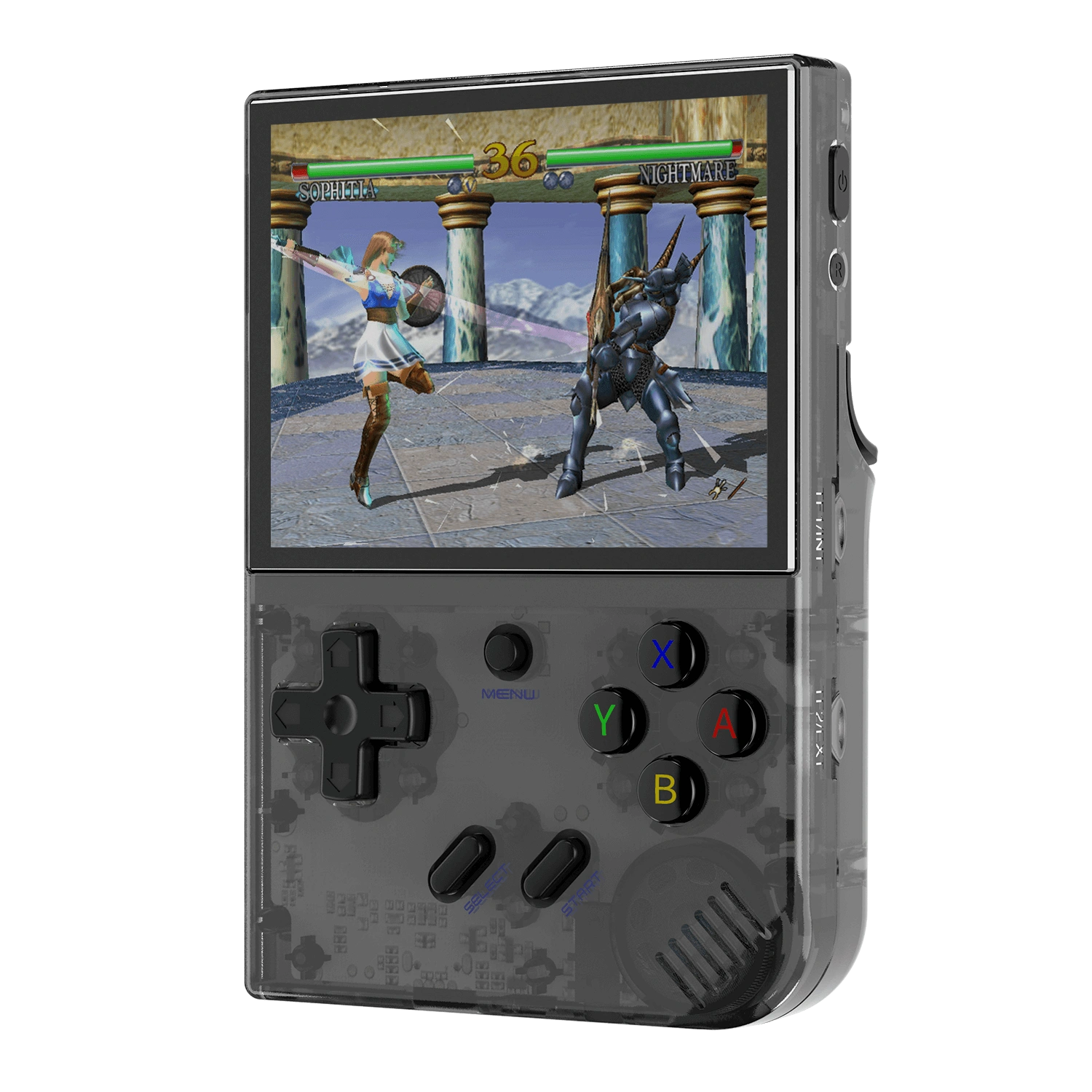
The Anbernic RG35XX Plus highlights the inherent benefits of specialized, low-power hardware. Utilizing an older Allwinner H700 chipset and a modest 1GB of LPDDR4 RAM, this pocketable device easily extracts up to 8 hours of active battery life from a mere 3300 mAh cell. However, real-world user reports indicate severe standby power drain, with devices losing significant charge in just an hour when seemingly powered off. It serves as a stark reminder that physical battery capacity and low-power silicon mean absolutely nothing without heavily optimized software governing the sleep states.
Comparison Data
Handheld Battery Comparison
| Device | Battery Capacity | Heavy Load Runtime | Light Load Runtime |
| ROG Xbox Ally X | 80 Wh | 2 hrs 45 mins | 14.5 hrs |
| Steam Deck OLED | 50 Wh | 2 hrs 9 mins | 8-12 hrs |
| Nintendo Switch 2 | 19.74 Wh | 2 hrs 40 mins | 6.5 hrs |
| ASUS ROG Ally | 40 Wh | 1-2 hrs | 3-4 hrs |
| Anbernic RG35XX Plus | 3300 mAh | N/A | 8 hrs |
Handheld Specs Comparison
| Device | Processor | Display | Refresh Rate |
| ROG Xbox Ally X | AMD Ryzen AI Z2 Extreme | 7-inch IPS LCD | 120Hz |
| Steam Deck OLED | 6nm AMD APU | 7.4-inch HDR OLED | 90Hz |
| Nintendo Switch 2 | Custom Nvidia Tegra | 7.9-inch LCD | 120Hz |
| ASUS ROG Ally | AMD Ryzen Z1 Extreme | 7-inch IPS LCD | 120Hz |
| Anbernic RG35XX Plus | Allwinner H700 | 3.5-inch IPS | 60Hz |
The choice between the Steam Deck OLED and the ROG Ally X usually comes down to a fundamental philosophical difference in engineering: Efficiency versus Brute Force.
While the ROG Ally X is technically more powerful on paper, here is why the Steam Deck OLED is often considered the superior “portable” experience in 2026.
1. Software Optimization (The SteamOS Edge)
The biggest disadvantage of the ROG Ally X is Windows 11. While it allows for better game compatibility, Windows is a “heavy” operating system not originally designed for handhelds. It consumes significant background resources and struggles with sleep/resume functions.
- Steam Deck OLED: Uses SteamOS (Linux), which is custom-built for this specific hardware. It allows the device to “sip” power.
- The Result: You can suspend a game instantly and pick it up days later with minimal battery drain. On the Ally X, “Sleep” mode is notoriously unreliable, often leading to a dead battery in your bag.
2. The Efficiency “Sweet Spot”
The Steam Deck OLED is designed to operate perfectly at 15 Watts. Valve realized that pushing more power into a handheld results in diminishing returns: you get a 10% boost in frames but a 50% drop in battery life.
- ROG Ally X: It uses the Z2 Extreme chip, which needs 25W–30W to really show its muscles.
- The Problem: To hit those high frame rates, it generates massive heat and drains the battery rapidly, even with its upgraded 80Wh cell.
3. Weight and Ergonomics
To fix the battery issues of the original Ally, ASUS simply put a massive battery inside the Ally X. While this “solves” the runtime issue, it comes at a physical cost.
| Feature | Steam Deck OLED | ROG Ally X |
| Philosophy | Optimization | Capacity |
| Weight | ~640g (Light/Balanced) | ~678g (Dense/Heavy) |
| Battery Life (Indies) | Up to 12 Hours | Up to 14 Hours |
| Display | HDR OLED (Infinite Contrast) | IPS LCD (Backlit) |
4. The Display Experience
Even though the Ally X has a higher resolution (1080p vs 800p), the Steam Deck’s OLED panel provides a better visual experience for most players. The “true blacks” and HDR support make games look more vibrant, and because OLEDs don’t require a constant backlight, they contribute significantly to the Deck’s superior battery efficiency.
What about Nintendo Switch 2
The Nintendo Switch 2 is currently the poster child for the “identity crisis” facing handhelds. While it will undoubtedly sell millions based on the strength of Nintendo’s library alone, from a hardware and architecture perspective, it makes several compromises that the Steam Deck and ROG Ally X have managed to avoid.
The Switch 2 uses a custom Nvidia Tegra chip based on the Ampere architecture (RTX 30-series era). While this allows for impressive features like DLSS, Ampere isn’t nearly as efficient as the newer architectures found in the competition.
Getting only 2 hours and 40 minutes under heavy load is a step backward. For a company that practically invented modern portable gaming, failing to hit the 3-hour “commute benchmark” feels like a major oversight.
The Honest Anbernic RG35XX Plus
In the context of the 2026 handheld landscape, the Anbernic RG35XX Plus holds up as the “honest” alternative to the battery-draining giants. While it lacks the raw power of the Steam Deck or the library of the Switch 2, it wins the efficiency war by simply refusing to play the same game. The RG35XX Plus holds up as a secondary device.
It is the “Kindle” of the gaming world: it does one thing (retro emulation) incredibly efficiently. Most enthusiasts have moved to MuOS or GarlicOS 2.0. These custom firmwares use a “Hibernation” feature that saves the current state and cuts power completely. It adds 5 seconds to the boot time but ensures that when you pick it up after three days, the battery isn’t dead.
If your goal is “commute gaming” rather than “AAA gaming,” this is the only device on the list that actually fits in a pocket without requiring a belt to hold your pants up.
The “Big Boys” are trying to be everything to everyone, while the Anbernic knows exactly what it is. It doesn’t try to be a desktop; it just tries to be a Game Boy that actually lasts a week on a single charge. It can play 8 to 10 hours of GBA or SNES games on a battery that wouldn’t even power the Switch 2 for a full movie.
The Jay Respawns Position
The Bottom Line: Ultimately, the Steam Deck OLED is the only device that currently understands the assignment as it is a masterclass in performance-per-watt,. Valve realized early on that raw computational power is completely useless without a tightly integrated operating system deliberately designed to sip wattage. They chose intelligent optimization over sheer brute force.
For a more in-depth analysis on the overall portable handhelds and consoles, we cover that in our ultimate guide to handheld PC gaming in 2026.

Comments