
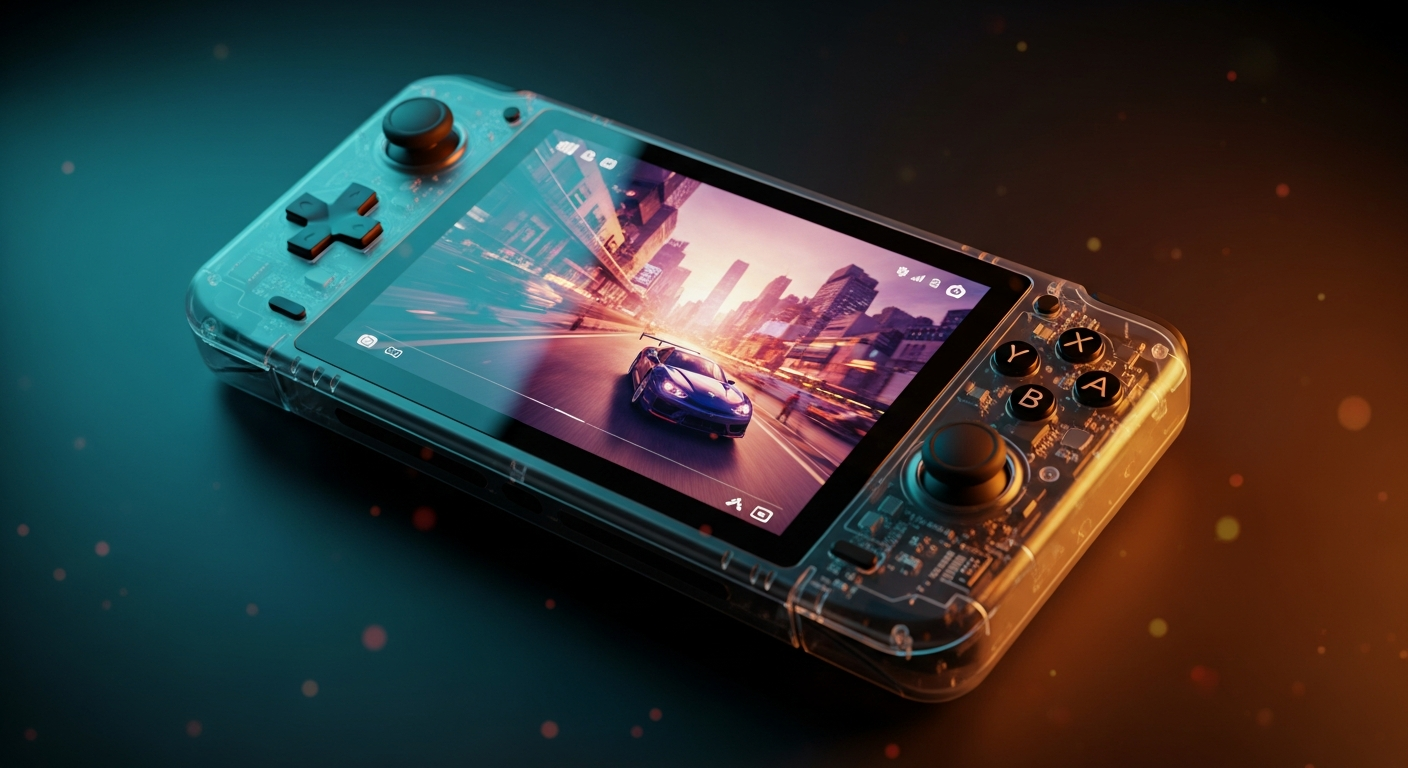
Executive Summary: April 2026 marks the definitive end of the traditional console cycle and the birth of the NPU-driven handheld era. This month’s gadget lineup proves that raw horsepower has been traded for AI-integrated efficiency and spatial computing dominance.
The Deep Dive: A Tale of Two Realities
I have covered the hardware beat for fifteen years. I have seen the rise of the smartphone and the fall of the dedicated handheld. The gadgets listed in the April 2026 catalog suggest we are entering a period of Silicon Sovereignty. The headline act is undoubtedly the Steam Deck 3. It has moved away from the bulky aesthetics of its predecessors. It now utilizes a Carbon-Nanotube chassis. This makes the device lighter than a standard tablet. It is a triumph of industrial design. However, the cost is staggering. Valve is no longer subsidizing hardware to drive software sales. They are selling a premium experience to an audience that demands Native 4K in their palms.
On the opposite side of the spectrum is the Sony PlayStation Portal 2. This is the device that finally kills the “Remote Play” stigma. It features a dedicated Cellular 6G chip. This allows for near-zero latency gaming without a Wi-Fi connection. The pros are obvious. You can play God of War: Ragnarok 2 at the park. The cons are more insidious. This device represents the End of Ownership. There is no cartridge slot. There is no internal storage for game files. You are renting a stream. This creates a massive economic divide. High-speed data is becoming the new class barrier in gaming.
The middle ground is occupied by the Microsoft Surface Gaming Tablet. It is essentially an Xbox Series X in a thin form factor. It uses the new Windows Gaming Core. This OS removes all the bloat of standard Windows. It boots directly into a library. It is fast. It is clean. But it lacks the “soul” of a dedicated console. It feels like a productivity tool that has been forced to have fun. The market response has been mixed. Hardcore gamers want dedicated hardware. Casual players want their phones. Microsoft is betting that there is a third category of “Pro-Sumers” who want both. This is a risky gamble in a Recession-Wary economy.
Technical Breakdown: NPUs and the Death of the GPU Bottleneck
The technical shift this month is focused on Neural Processing Units (NPUs). We have reached the limits of traditional 2nm architecture. Heat dissipation is now the primary enemy of performance. To solve this, the new wave of April 2026 gadgets uses AI-Upscaling at the hardware level. The Steam Deck 3 does not actually render at 4K. It renders at 720p. An onboard NPU then reconstructs the image using DLSS 5.0. This saves battery life. It reduces heat. The image is indistinguishable from native resolution. This is the new standard. If your gadget does not have a dedicated Tensor Core array, it is obsolete.
We are also seeing the widespread adoption of LPCAMM2 Memory. This is modular mobile RAM. It allows these handhelds to be repaired more easily. This is a direct result of “Right to Repair” legislation passed in 2024. It is a win for the consumer. It means your $800 handheld is not a brick if a single memory module fails. Furthermore, Solid-State Batteries have finally arrived in the consumer space. The Apple Vision Pro 2 uses this technology. It provides four hours of high-fidelity spatial gaming. This is double the capacity of the original model. It does not get hot against the user’s face. This is the breakthrough the VR/AR industry has been waiting for since 2016.
Industry Impact: The Consolidation of Power
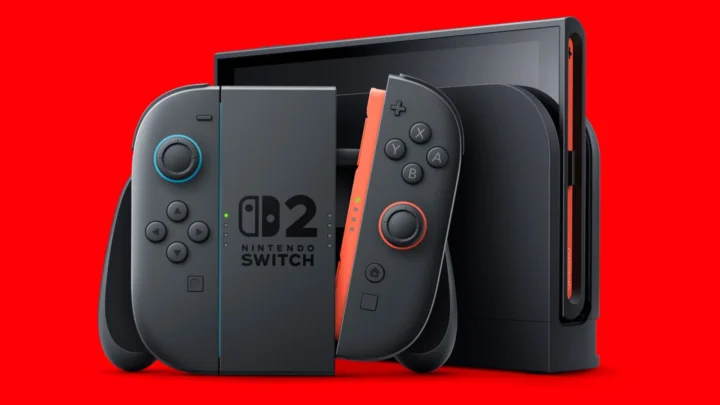
The release of these gadgets is a direct threat to Nintendo. The rumors of a “Switch 3” are circulating. But Nintendo is lagging behind on the AI-Processing front. They rely on “gimmicks” and first-party titles. Sony and Microsoft are moving toward Platform Agnosticism. They want their games on every screen. This month’s hardware reflects that. The PlayStation Portal 2 is a Trojan horse. It is a way to get the Sony ecosystem into the hands of people who do not own a TV.
The economic implications are severe for smaller manufacturers. Companies like AYANEO and Logitech are struggling to compete. They cannot afford to develop their own NPU algorithms. They are forced to use off-the-shelf parts from AMD and Qualcomm. These parts are getting more expensive. We are seeing a consolidation of power. In 2026, you either own the silicon or you own the storefront. If you own neither, you are dead in the water. The Gizmodo list highlights this reality. Every single “Top Gadget” comes from a trillion-dollar corporation. The age of the Indie Hardware darling is over.
Editor’s Take: The Noir Reality of 2026
I look at these devices and I feel a sense of Technological Nihilism. We have achieved the dream. We have the power of a desktop PC in our pockets. We have screens that are brighter than the sun. We have haptic feedback that can simulate the feeling of rain on skin. But at what cost. The “Noir” gaming audience knows the answer. We are trading Privacy and Permanence for Performance. These April 2026 gadgets are always connected. They are always listening. They are always tracking your Biometric Data through the sensors in the grips. They do this to “optimize the challenge level” of your games. That is the marketing spin. The reality is Data Harvesting.
The Steam Deck 3 is the only device that feels like it belongs to the user. It still allows for Sideloading. It still supports Linux. It is the “gritty” choice for the player who wants to stay off the grid. The rest of the list feels like Digital Handcuffs. They are beautiful. They are sleek. They are masterpieces of engineering. But they are also terminals for a Subscription-Only future. My verdict is simple. Buy the Steam Deck 3 if you value your soul. Buy the Vision Pro 2 if you want to see the future. Ignore the rest. The Silicon Plateau is a lonely place. The gadgets are getting better. The industry is getting colder. We are playing in the dark. We might as well have the best screen possible to see the shadows.




Comments