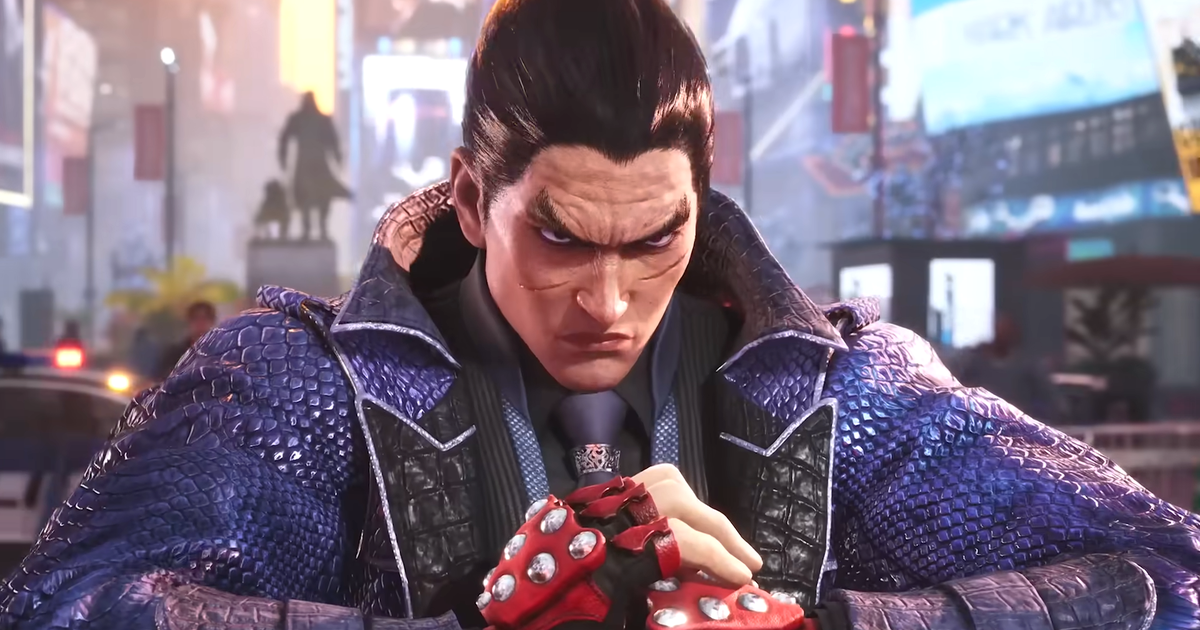
The architect of modern Tekken is walking away. Tekken 8 game director Kohei Ikeda announced his departure from Bandai Namco via social media, ending a 20-year tenure with the Japanese publisher. Stating “I have officially left Bandai Namco Entertainment after many years with the company,” Ikeda expressed pride in his team while passing the baton to the remaining staff. As reported by Eurogamer, his exit adds to a staggering talent drain at the studio. Executive game director Katsuhiro Harada left in December 2025 to form a new studio backed by SNK, and producer Yohei Shimbori exited in August 2025. Losing one veteran is a natural career progression. Losing three pivotal leaders in less than a year points to a structural shift in how fighting games are being built at the company.
This leadership vacuum arrives precisely as Tekken 8 navigates severe community backlash. The game is currently an active battleground between player expectations and developer output. Recent major updates have drawn intense criticism, peaking with the third season patch. Players voiced immense frustration over the overly aggressive nature of the gameplay, which stood firm despite previous developer pledges to bring the combat mechanics back to basics. Emergency patches were deployed in response to the uproar, but the continuous air of frustration surrounding the game remains palpable.
When looking at the fighting game genre, stability at the top usually dictates stability in the product. Over at NetherRealm Studios, the foundational leadership has kept titles like Mortal Kombat 2 anchored to a recognizable identity, even when experimenting with new mechanics. Bandai Namco is now operating without that anchor. The timing of Ikeda leaving suggests a potential disconnect between the creative vision of the development floor and the financial directives from the boardroom. The community has noticed this friction. Discussions across forums feature Reddit users speculating that “the relationship between Bamco’s Fighting Game teams/heads and the execs has been very strained” in recent months.
The timeline of these departures paints a stark picture. Yohei Shimbori leaves in August 2025. Four months later, Katsuhiro Harada exits in December 2025. Now, six months after that, Kohei Ikeda is gone. That is a 10-month window where the brain trust of the franchise completely dissolved. Harada’s decision to start a new studio backed by SNK is particularly telling. SNK is a direct competitor in the fighting game space. For a 30-year veteran to leave for a rival publisher indicates that the working environment or creative freedom at Bandai Namco was no longer sufficient. Harada recently commented that it will not be hard for the series to continue with someone else at the helm. That statement reads more like diplomatic corporate detachment than genuine confidence in the current trajectory.
Will This Change How Tekken 8 Is Managed?
The management of post-launch content will likely become far more rigid without the old guard pushing back. We are already seeing the gears turning with the recent reveal of Grappler Baki’s Yujiro Hanma as the next DLC character. Adding high-profile guest fighters is a reliable method to spike concurrent player counts and drive season pass sales. However, it does little to fix the underlying mechanical grievances that plagued the third season patch. Ikeda, Harada, and Shimbori spent decades cultivating a specific relationship with the fighting game community. Their collective departure removes the buffer between the players and the publisher. The result is a product that appears increasingly reactive rather than visionary.
The loss of Ikeda specifically is a heavy blow to the day-to-day balance of the game. Executive directors often handle the broad strokes of franchise direction, but the game director is the person in the trenches ensuring the frame data feels fair. When the director leaves in the middle of a rocky season, it forces a transition period upon a team that is already scrambling to issue emergency patches. This is a precarious position for a premier esports title. As critics have noted, “Tekken hasn’t exactly…” maintained its flawless reputation during this volatile period. The pressure to maintain engagement metrics often results in the exact aggressive gameplay loops the community is currently rejecting.
We looked at a similar structural shift when analyzing Destiny 2 ending development under Bungie; when the core architects leave a live-service environment, the product rarely retains its original identity. Guest characters are historically massive revenue drivers for the franchise. In a vacuum, adding a famous anime grappler is a guaranteed financial success. Yet, deploying this announcement while the core player base is actively fighting the developers over the third season patch highlights a split priority. The marketing department is pushing premium crossover content while the engineering team is struggling to honor pledges to fix the combat. Players are being asked to purchase new characters for a game that currently feels mechanically broken.
From a pure unit economics perspective, fighting games require a delicate balance. The initial purchase price secures the install base, but long-term profitability relies entirely on season passes and cosmetic microtransactions. To maintain a high attach rate for DLC like Yujiro Hanma, the core gameplay loop must remain sticky. If the third season patch drives away the dedicated players who populate the matchmaking queues, the casual players who buy guest characters will quickly abandon the game due to poor online experiences. Bandai Namco is risking its most reliable revenue stream by prioritizing aggressive gameplay changes that cater to short-term spectacle over long-term retention. This reliance on monetization rather than core stability is a recurring theme in modern gaming, echoing the pivot we saw when Ranked 3.0 forced a reckoning for Rainbow Six Siege.
The baton has been passed, as Ikeda noted in his farewell. The question is who actually holds it now. The remaining development team at Bandai Namco Studios inherits a frustrated community, a controversial third season patch, and a corporate mandate to keep the live-service revenue flowing. Harada is already building the future of his career at SNK, and Ikeda is searching for new challenges. Tekken 8 must now survive without the architects who built its foundation. If the upcoming emergency patches fail to stabilize the competitive meta, the publisher will learn exactly how fragile a fighting game community can be.





Comments