The era of the definitive live service titan is drawing to a close. On May 21, 2026, the official Bungie account announced that Destiny 2 will officially end active development this summer. For nearly twelve years, the Destiny franchise has stood as a beacon, and often a lightning rod, for the evolution of the shared world shooter. The studio has decided that after the release of The Final Shape expansion, the time has come for the universe to live beyond the constraints of a constant content treadmill. This is a seismic shift for a studio that has spent the better part of a decade defined by the weekly reset, the seasonal grind, and the ever-shifting meta of the Guardians journey.
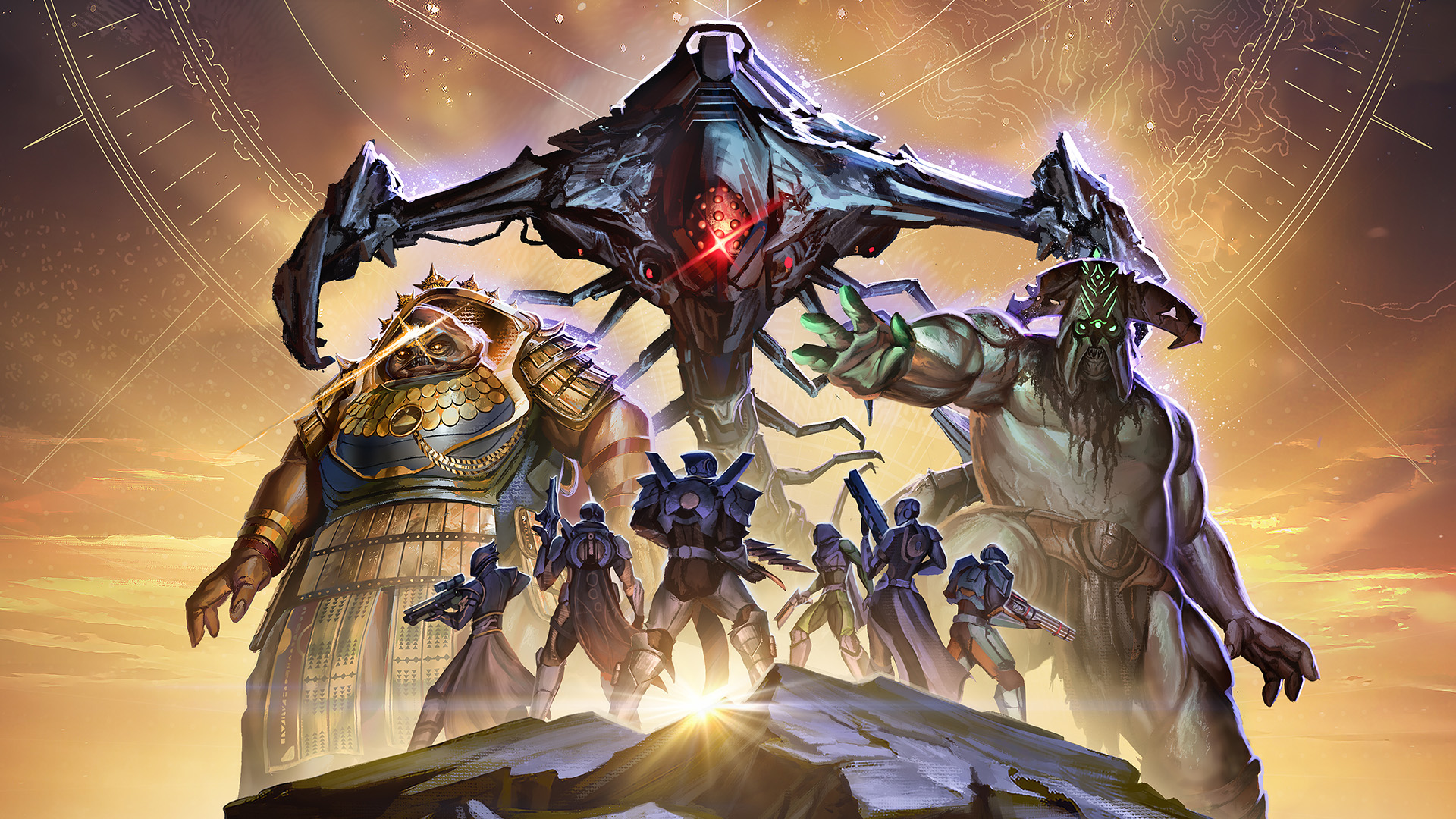
On June 9, Destiny 2: Monument of Triumph will be available to all players.
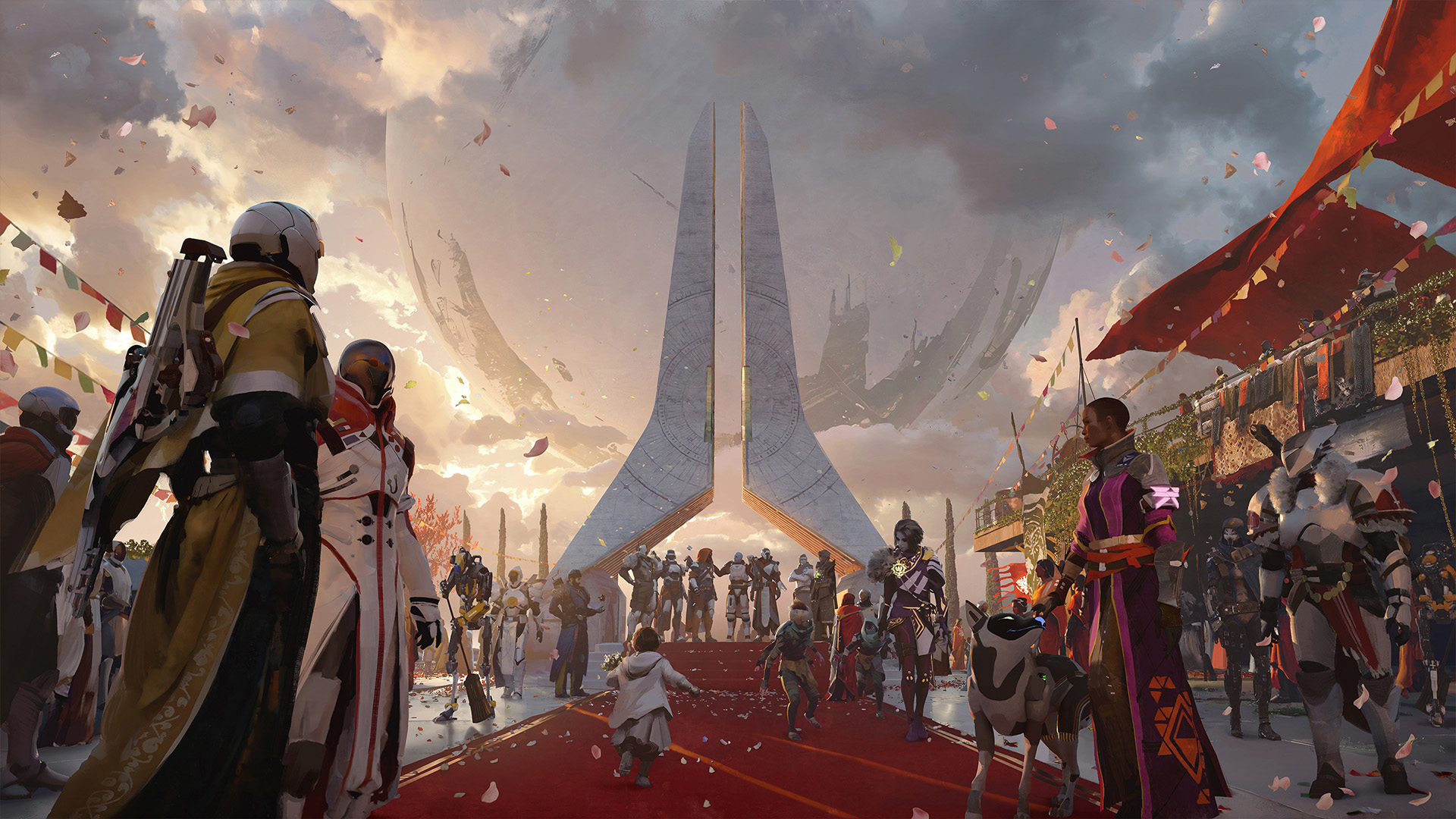
We are inviting all Guardians to take part in a celebration of these accomplishments: Legends, Dredgens, Renegades, Conquerors, New Lights — and everyone in between.
The Context
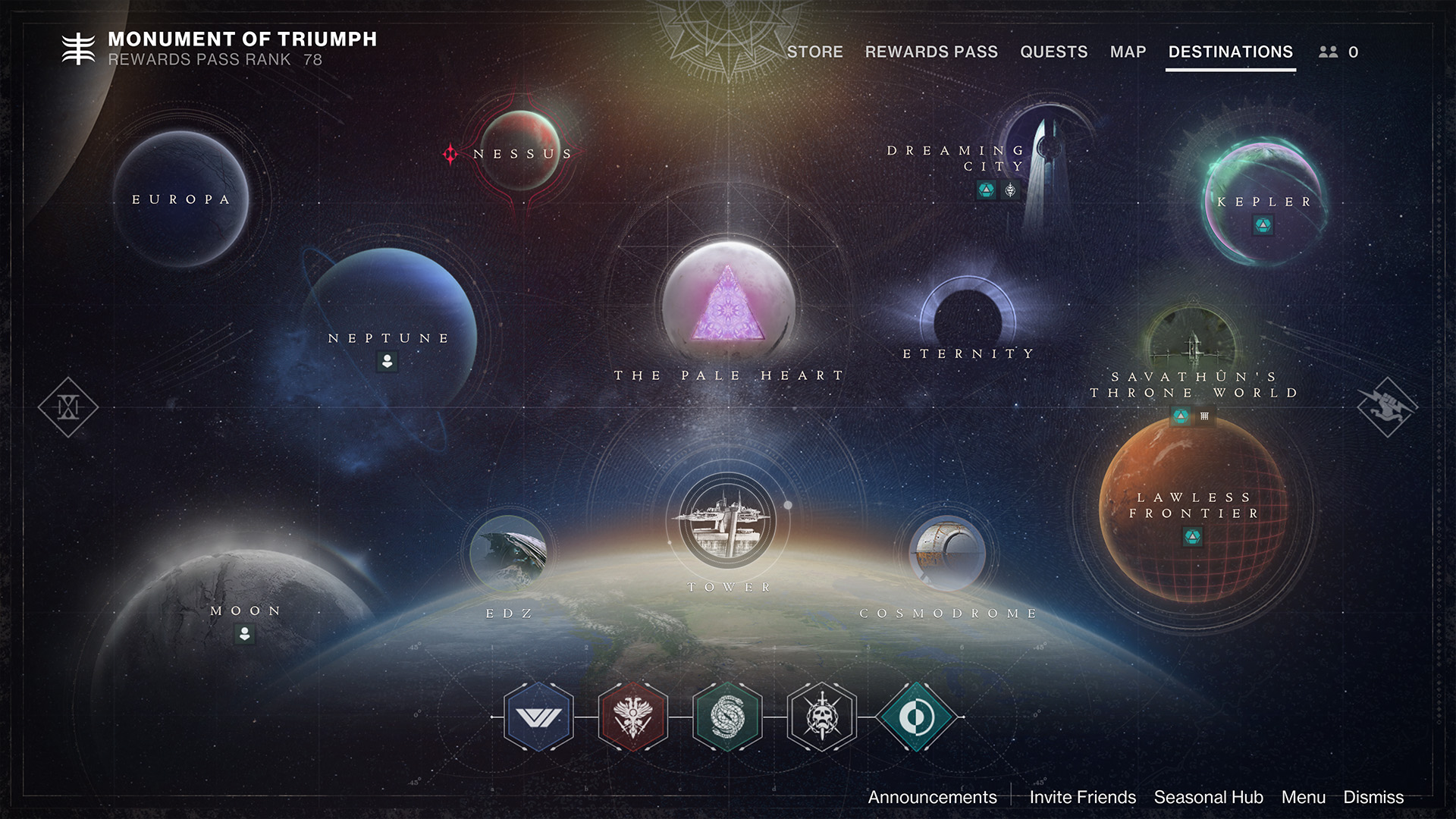
The journey of Destiny 2 has been one of high highs and devastating lows. Launched over eight years ago, the sequel initially struggled to find its footing before reinventing itself through expansions like Forsaken and The Witch Queen. However, the announcement confirms that June 9, 2026, will mark the release of the final live service content update for the game. This update, titled Monument of Triumph, is positioned as a sentimental and mechanical farewell to the players who have inhabited the Cosmodrome, the Pale Heart, and the Lawless Frontier since the franchise began in 2014. The studio noted that while their love for the game remains unchanged, they are moving toward a new beginning for Bungie, focusing on incubating next-generation projects.
To facilitate this transition, Bungie is consolidating the massive, often confusing web of Destiny 2 content into a single package. On June 9, the game and its various content packs will be bundled into Destiny 2: The Collection. This comprehensive package will include every campaign, Dungeon Keys, and the 30th Anniversary Pack. This move coincides with a permanent discount on standalone expansions and content packs, signaling a shift from a monetization-heavy live service to a legacy product. This mirrors the trajectory of the original Destiny, which remains playable today but exists as a static snapshot of a specific era in gaming history. For players who have felt the weight of the game’s massive storage footprint and complex entry barriers, this consolidation is a long-overdue simplification.
This pivot is occurring at a critical time for the industry. We have seen other studios struggle with the live service model recently, such as when Sega pivoted from live service focus by canceling their major projects. Bungie seems to be reading the room, realizing that the infinite growth required by modern live services is no longer sustainable. By setting a hard end date for active development, they are essentially preservation-proofing their legacy while freeing up resources for their next major endeavors, including the highly anticipated Marathon.
The Analysis
The Monument of Triumph update is not merely a maintenance patch; it is a carefully curated fan-service package designed to leave the game in a state of permanent accessibility. Here are the key dimensions of this final content drop:
The Return of the Sparrow Racing League (SRL): In a move that will surely delight long-term fans, Bungie is finally bringing back SRL. This mode has been requested for years, and its inclusion in the final update suggests the developers are using this opportunity to clear out the feature wishlist that didn’t fit into the seasonal narrative structure.
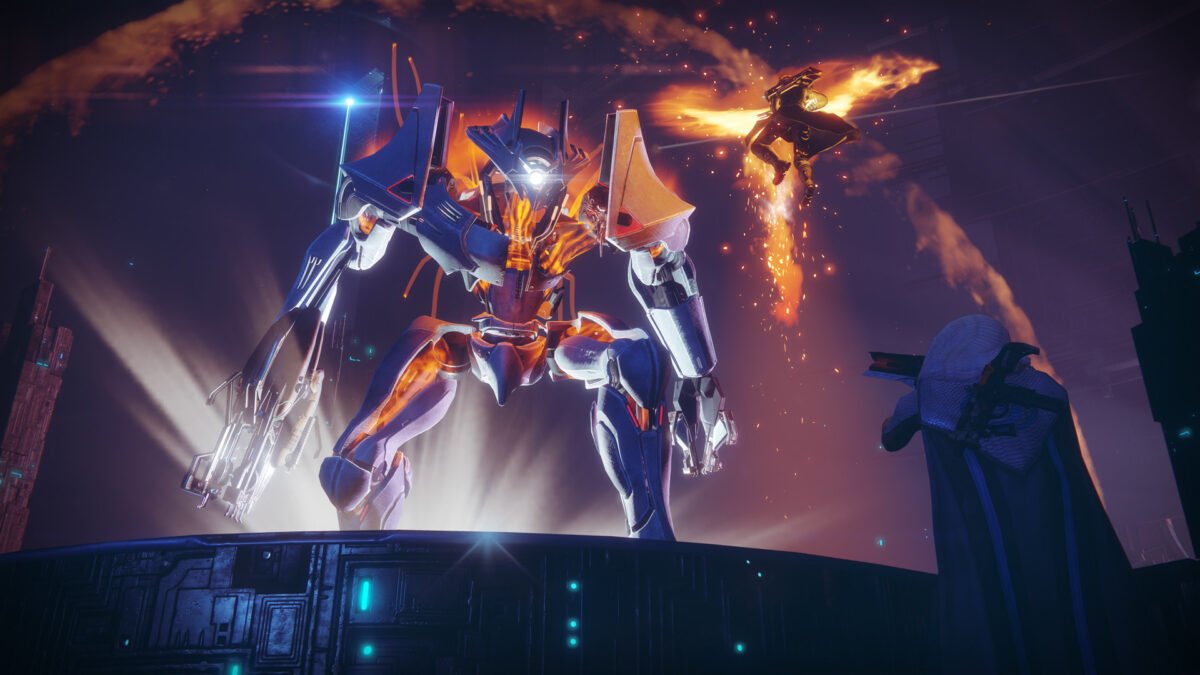
Mechanical Overhauls: The update will feature a refreshed Director and a permanent addition called the Pantheon 2.0. The Pantheon 2.0 will offer new bosses to challenge players, providing a high-level endgame activity that does not rely on seasonal rotations to remain relevant.
The Return of Legendary Marks: Completing Triumphs will once again grant Legendary Marks from the past. These can be exchanged for free armor ornaments, weapon engrams, and accessories, effectively removing the Eververse-driven scarcity that has frustrated players for years.
Structural Retirement: Seasonal events are being officially retired. This is a logical step for a game entering a legacy phase; without a live team to manage the logistics of Guardian Games or Festival of the Lost, the game needs a static loop that remains rewarding without manual intervention.
Narrative Closure: The update aims to deliver small character beats to leave the story in an interesting place. While The Final Shape was the narrative climax, Monument of Triumph serves as the epilogue, ensuring that the characters players have grown to love are not simply left in limbo.
The business implications here are profound. By bundling everything into Destiny 2: The Collection, Bungie is creating a product with a clear value proposition for new players who were previously intimidated by the sheer cost of catching up. This is a stark contrast to the ongoing model of games like The First Descendant, which continue to iterate on the high-frequency update cycle. Bungie is effectively exiting the arms race of content production to focus on the future, a move that likely stems from the pressure of being a Sony-owned studio tasked with delivering high-quality, sustainable hits.
What Does This Mean for the Destiny Franchise?
This means that the Destiny universe is entering a period of hibernation while Bungie prepares for a new beginning that likely includes a Destiny 3 or a radical reimagining of the brand. By stating that the time has come for their shared worlds to live beyond Destiny 2, Bungie is signaling that the current engine and technical framework have reached their absolute limit. The technical debt of a decade-old game is a heavy burden; moving on allows the studio to build a foundation that can support the next ten years of storytelling without the baggage of sunsetting content or managing an increasingly bloated codebase.
The decision to keep Destiny 2 playable, much like the original Destiny, is a vital commitment to the community. In an era where digital-only titles frequently disappear into the ether, Bungie is ensuring that the thousands of hours players have invested remain accessible. This is the honorable way to sunset a live service. It provides a definitive ending, a curated final state, and a promise of continued server support, rather than the sudden, cold shutdowns we have seen from other publishers in recent years.
The Jay Respawns Position
At Jay Respawns, we believe this is the most courageous and necessary decision Bungie has made since they split from Activision. For too long, Destiny 2 has felt like a game at war with itself. The developers wanted to innovate, but the community demanded consistency; the narrative wanted to end, but the business model demanded it continue forever. By drawing a line in the sand on June 9, 2026, Bungie is finally choosing creative freedom over the safety of the status quo. They are letting Destiny 2 be a complete work of art rather than an unfinished service.
The inclusion of the Sparrow Racing League and the return of Legendary Marks in the final update feels like a genuine peace offering to a community that has often felt ignored in favor of monetization metrics. It is a acknowledgement that at the end of the day, the game belongs to the players who stayed through the Curse of Osiris and celebrated through The Final Shape. We have previously analyzed how Bungie is diversifying, such as when Bungie revealed the Marathon PVE mode, and it is now clear that the studio cannot give Marathon the attention it needs while still tethered to the infinite demands of Destiny 2.
There will be those who mourn the end of the weekly This Week In Destiny updates and the thrill of a new season launch. But we must ask ourselves: would we rather see Destiny 2 slowly wither away into irrelevance, or see it go out on a high note with its dignity intact? Bungie has chosen the latter. They are clearing the stage for something new, something that isn’t burdened by a decade of patches and player expectations. It is a bittersweet moment, but it is the right moment. The stars are waiting, and it is time for Bungie to finally reach them without looking back.
The era of Destiny 2 as a living entity is over; its legacy as a masterpiece of the genre is only just beginning.






Comments