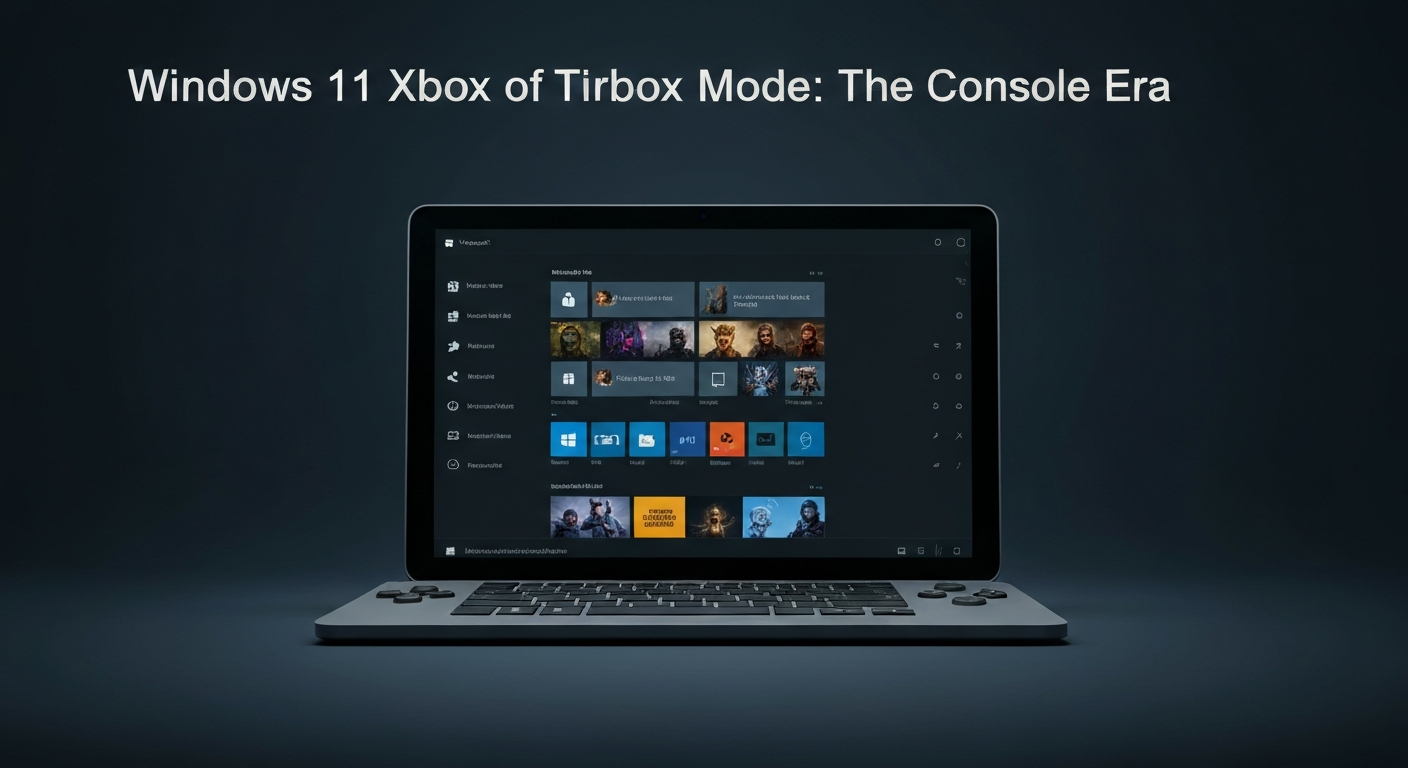
The lights are dimming in the Redmond hardware lab. The news that Microsoft is officially rolling out a dedicated Xbox Mode for Windows 11 devices isn’t just a quality-of-life update. It is a death certificate. For years, the industry has whispered about the end of the console cycles. We looked for a bang. Instead, we got a software patch. By transforming the Windows 11 shell into a mirror image of the Xbox Series X dashboard, Microsoft is signaling the final surrender of the living room hardware war. They are no longer selling a box. They are selling an environment. And that environment no longer needs proprietary silicon to survive.
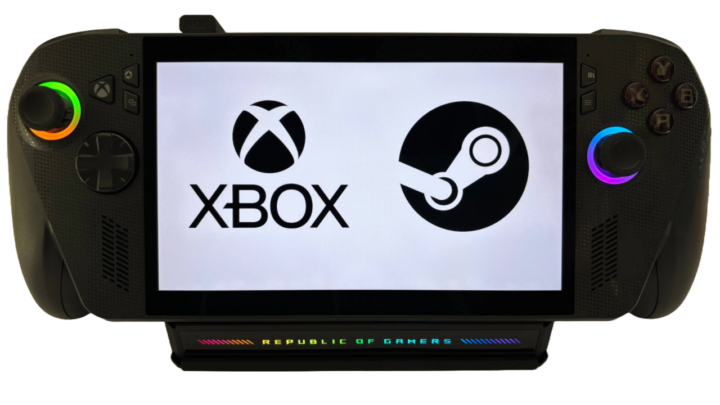
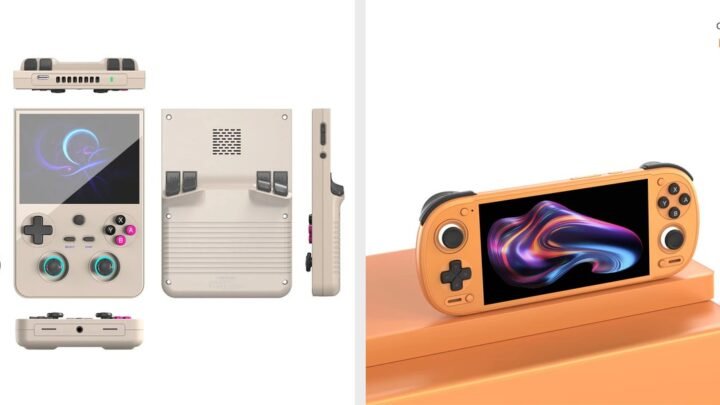
The timing is surgical. As reported by this primary source, the update aims to streamline the experience for handheld users. But look closer at the logistics. The ROG Ally is currently leading the charge, rolling out firmware and software improvements to make docked play feel like a native console experience. This is the pivot point. If a third-party handheld can mimic the Xbox experience with 95 percent accuracy, the justification for a $500 Xbox Series X evaporates. We are witnessing the cannibalization of a hardware line in favor of ecosystem ubiquity. It is cold. It is calculated. It is purely about the margins.
The Deep Dive: Handhelds as the Trojan Horse
The rise of the Steam Deck changed the math for everyone. Sony and Nintendo watched, but Microsoft acted. They realized that their greatest asset wasn’t the Xbox brand. It was Windows. For fifteen years, I have tracked revenue optimization in digital distribution. The most expensive part of the business isn’t the software development. It is the customer acquisition cost and the hardware subsidy. Every Xbox console sold is a gamble on future software attaches. By moving the Xbox Mode to Windows 11, Microsoft offloads the hardware risk to companies like ASUS, Lenovo, and MSI. They get the Game Pass subscribers without having to ship a single piece of plastic at a loss.
This isn’t just about convenience. It is about tiered pricing and windowing. In the old model, you bought the console to get the games. In the new model, the game is the constant, and the device is the variable. If you want a budget experience, you use your existing laptop. If you want high-end fidelity, you buy a desktop. If you want portability, you grab an ROG Ally. You can find aggressive discounts on these devices at this website. No matter which door you enter through, you end up in the same room: the Microsoft storefront. The box is dead. The platform is eternal.
Technical Breakdown: The Windows 11 Bottleneck
From a technical perspective, this transition is fraught with friction. Windows 11 was never designed to be a controller-first operating system. The legacy of Win32 applications and the heavy overhead of background processes make it a bloated mess compared to the lightweight, customized OS found on the Xbox Series S. To make this work, Microsoft has had to decouple the Game Bar and the Xbox App from the standard desktop UI. They are building a “shell within a shell.” This creates latency. It creates stability issues. But more importantly, it creates a unified distribution pipeline. By using DirectX 12 Ultimate across both platforms, developers no longer have to port games. They just toggle a few settings. It is peak efficiency at the cost of technical identity.
The recent improvements to the ROG Ally docked experience, as detailed by this technical report, highlight the struggle. When you dock a Windows handheld, the OS treats it like a PC. It asks for resolution settings. It asks for refresh rates. It breaks the “it just works” mantra of consoles. Microsoft‘s new Xbox Mode is an attempt to mask that complexity. They are trying to hide the PC under a blanket of green tiles and familiar sounds. It is a digital facelift for a thirty-year-old operating system architecture.
Industry Impact: The Big Three Realignment
The “Big Three” are no longer playing the same game. Nintendo owns the IP. Sony owns the prestige. Microsoft is trying to own the plumbing. This shift to Windows 11 ubiquity puts immense pressure on Sony. If Microsoft can successfully turn every PC into an Xbox, then PlayStation is the only one left charging a “hardware tax” for its ecosystem. We have discussed this before at jayrespawns.com during our analysis of the PS5 Pro pricing strategy. Microsoft is banking on the fact that gamers are tired of buying new boxes. They want their library to follow them. By blurring the lines, Microsoft is making the Xbox console itself an optional accessory rather than a requirement.
Market Counterpoint: The Enthusiast’s Retort
There are those who will argue that this is a win for the consumer. Freedom of choice is the ultimate gamer mantra. Why should you be locked to a Series X when you can have a 4090-powered rig that looks and acts like an Xbox? The counterpoint is simple: optimization. When developers know exactly what hardware they are targeting, games run better. The “PC-ification” of the Xbox brand means that games will increasingly be developed for the lowest common denominator. We risk entering an era of “good enough” performance where the unique hardware features of a console are ignored for the sake of cross-platform compatibility. Fans might celebrate the UI update today, but they will lament the loss of specialized hardware tomorrow.
The Jay Respawns Take: A Noir Verdict
I have seen this movie before. In the travel industry, we call it “unbundling.” You take a premium experience, strip it down, and charge for the pieces. Microsoft is unbundling the Xbox. They are taking the software and the brand away from the physical box and scattering them across the Windows ecosystem. It is a bloodless coup. It is efficient. It is profitable. But it is also devoid of the magic that made console gaming special. The Xbox Mode on Windows 11 is a white flag disguised as a feature. The hardware era is over. The age of the infinite, invisible platform has begun. Don’t look for a new console under your tree next year. Just look for a login screen. That is the future they chose for us. And in the world of high-stakes corporate gaming, the house always wins.


Comments