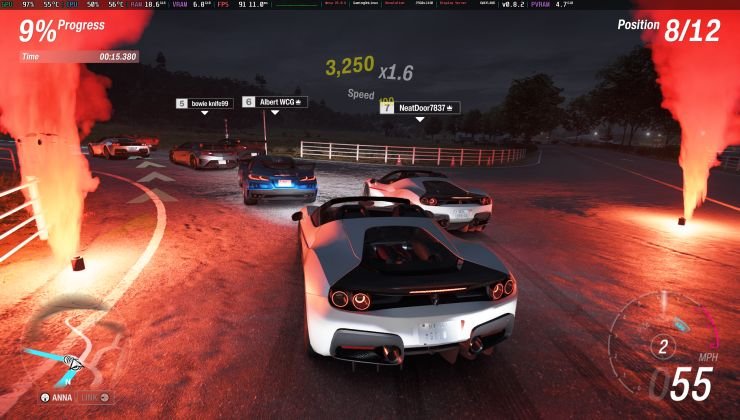
The launch of a new Forza Horizon title used to be a strictly Windows affair, a celebration of the DirectX ecosystem and the power of the Xbox brand. However, the arrival of Forza Horizon 6 on Tuesday, May 19, 2026, has signaled a tectonic shift in the industry power balance. While Playground Games and Xbox Game Studios have delivered the expected technical masterclass in racing, the real story is happening behind the scenes in the world of open source compatibility. Almost immediately following the game launch, Valve released a dedicated Proton Hotfix to ensure that Forza Horizon 6 runs smoothly on Linux and SteamOS. This rapid response is not just a technical update; it is a declaration that the Steam Deck and the broader handheld PC market have forced the hand of the largest software company on the planet.
The Context
The official Forza Horizon 6 release has been one of the most anticipated events of the 2026 gaming calendar, building on the massive success of its predecessors. As documented by the reporting outlet GamingOnLinux, the game arrived with immediate support needs for the growing number of players who have abandoned Windows for Linux based environments. The speed at which Valve deployed the Proton Hotfix is unprecedented for a title of this scale, highlighting a collaborative, or perhaps competitive, pressure between the storefront giants. This launch follows a period of intense scrutiny for the title, as we previously noted that Forza Horizon 6 PC Launch Skips FSR Frame Generation Support, a move that left many performance enthusiasts frustrated.
Historically, Microsoft titles were designed to keep players locked within the Windows ecosystem. The Universal Windows Platform (UWP) era was the peak of this isolationist strategy. Yet, as the Steam Deck has surpassed significant sales milestones and handheld competitors have proliferated, Xbox Game Studios has been forced to embrace Steam as a primary distribution vector. The fact that Valve is now providing day zero fixes for an Xbox flagship title shows that the SteamOS layer is no longer an experimental hobby; it is a critical piece of the PC gaming infrastructure. This development comes at a time when critics have argued that Subnautica 2 and Forza Horizon 6 Are Masterful But Too Safe, suggesting that while the technical foundations are evolving, the gameplay remains rooted in a very specific, comfortable tradition.
The Analysis
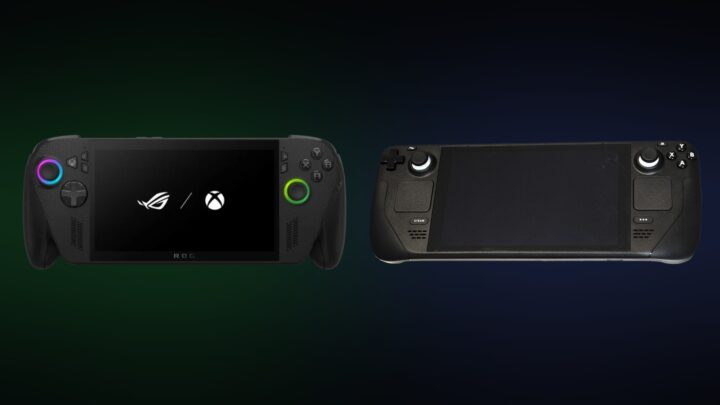
The technical implications of the Proton Hotfix are profound. Proton, Valve‘s compatibility layer for running Windows games on Linux, has matured to the point where it can intercept and translate DirectX 12 calls with minimal overhead. For Forza Horizon 6, a game that pushes the boundaries of asset streaming and photogrammetry, the hotfix likely addresses specific memory management issues or shader compilation stutters that often plague high end launches. By ensuring the game is playable on day one, Valve is removing the last remaining barrier for Linux adoption: the fear of missing out on major AAA releases. This is particularly vital for the 2026 market, where we are seeing a massive handheld PC and console gaming endurance battle taking place among various manufacturers.
- The Death of the Windows Monopoly: For decades, Microsoft used DirectX and exclusive gaming features to ensure Windows remained the only viable OS for gamers. The Proton Hotfix for Forza Horizon 6 proves that Linux has successfully reverse engineered that advantage.
- Hardware Agnostic Future: Playground Games has optimized this title for Xbox Series X and high end PCs, but the Proton update ensures that a 15W handheld can provide a comparable, if scaled down, experience.
- The Valve vs. Microsoft Dynamic: Microsoft earns 70 percent of the revenue on Steam sales, but Valve controls the user experience on the Steam Deck. This creates a strange synergy where Microsoft provides the content and Valve provides the platform, undermining Windows in the process.
- Developer Incentives: With Valve doing the heavy lifting via Proton, developers like Playground Games are less incentivized to build native Linux ports, but the end result for the consumer is effectively the same.
- Community Driven Stability: The speed of this fix is often driven by telemetry and bug reports from the Steam community, showing a more agile development cycle than traditional corporate patch schedules.
The Jay Respawns Position
At Jay Respawns, we have watched the evolution of Xbox‘s platform strategy with a mix of admiration and skepticism. The launch of Forza Horizon 6 on May 19, 2026, marks the final surrender of the Windows exclusive gaming model. It is a win for the consumer, certainly, but it reveals a fascinating weakness in Microsoft‘s long term strategy. They are currently the world’s best third party publisher, even when they are publishing their own games. By allowing Valve to be the primary problem solver for Linux compatibility, Microsoft is effectively admitting that Windows is no longer the required foundation for the Xbox experience. This is a massive editorial shift from just five years ago, when a Forza game on a non-Windows handheld would have been a fever dream.
I believe the real hero here is not the developers at Playground Games, who delivered a beautiful but predictable sequel, but the engineers at Valve. The Proton Hotfix is a middle finger to the idea of gated ecosystems. It tells the industry that if a game is good enough, the community and Valve will find a way to make it run wherever they want it to run. Microsoft has to play along because the Steam Deck user base is too large to ignore. If Forza Horizon 6 failed to run on SteamOS at launch, it would not hurt Linux; it would hurt Forza‘s sales figures and player engagement metrics. The power dynamic has completely flipped, and Valve is the one holding the cards in the handheld space.
Furthermore, the absence of certain features like FSR frame generation at launch, while disappointing, is mitigated by the sheer flexibility of Linux based systems. Users can often implement their own system level upscaling or latency reduction tools that are unavailable on the locked down Xbox consoles. We are entering an era where the most enthusiast friendly way to play an Xbox game is on a device Microsoft did not build, running an operating system Microsoft does not own. It is a bizarre, beautiful irony that defines the current state of the industry. Forza Horizon 6 is a fantastic game, but its arrival on Linux is the real milestone that will be remembered by tech historians.
The age of the OS gatekeeper is officially dead, and Valve is the one who finally buried it with a hotfix.


Comments