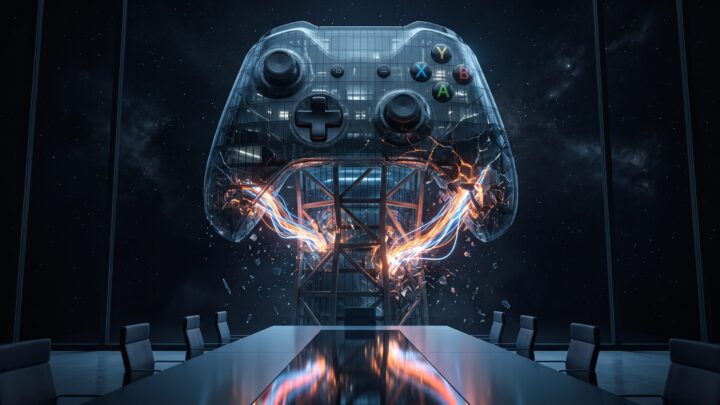
Microsoft is navigating a historic pivot as console hardware revenue continues to face a steep decline. The leadership team acknowledges the struggle while shifting the brand focus toward a platform-agnostic future powered by subscriptions and cloud infrastructure.
The Deep Dive: A Controlled Burn Or A Growing Fire?
The latest financial reports for Xbox paints a stark picture of the current gaming landscape. Hardware revenue has seen a double-digit percentage drop. This is not a mere seasonal dip. It is a fundamental shift in how consumers interact with the Microsoft ecosystem. Sarah Bond and the leadership team are now speaking openly about the work ahead. They are facing a reality where the Xbox Series X and Series S are no longer the primary drivers of growth. This creates a fascinating paradox for the brand. On one hand, the software and services division is booming. The acquisition of Activision Blizzard has turned Microsoft into a publishing juggernaut. On the other hand, the physical box is losing its grip on the living room.
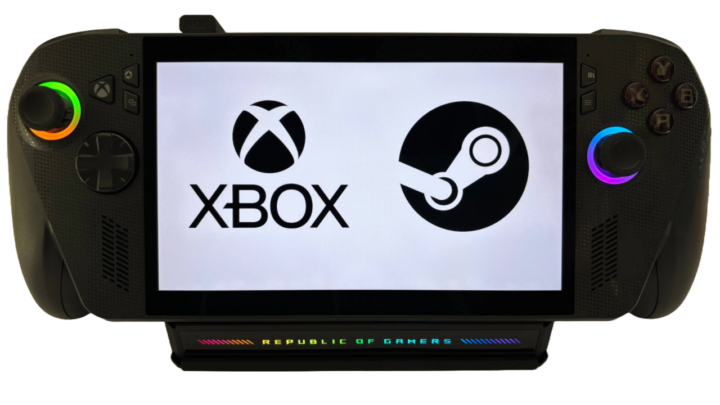
The pros of this shift are centered on Game Pass sustainability. Microsoft no longer needs to sell a five hundred dollar machine to get a customer into their store. They can reach players on PCs. They can reach players on handheld devices. They can reach players on smart televisions via the cloud. This reduces the barrier to entry for new gamers. It also hedges against the massive losses typically associated with manufacturing high-end silicon. Selling hardware is a low-margin business. Selling software and recurring subscriptions is where the real profit lies.
However, the cons are equally significant. A console acts as a walled garden. It ensures that Microsoft collects a thirty percent cut of every digital transaction. When a user buys a game on a PlayStation or a PC, Microsoft loses that platform fee unless they are the publisher. By letting hardware sales slide, they risk losing the storefront advantage. They are essentially trading their sovereignty for reach. This transition is messy. It alienates the hardcore fan base that values a dedicated box. It also raises questions about the future of physical media. If the hardware revenue continues to plummet, the incentive to produce a next-generation machine diminishes.
Technical Breakdown: Silicon Parity And The Series S Problem
From a technical standpoint, the current generation has been a period of experimentation and friction. The Xbox Series S was a bold move. It offered a low-cost entry point into the next generation. However, it also created a development bottleneck. Developers must ensure their games run on the lower-spec Series S hardware. This often leads to compromises in optimization and graphical fidelity. It has frustrated some high-end developers who want to push the limits of the Series X.
The hardware itself is a marvel of engineering. The Velocity Architecture promised to eliminate load times. The custom NVMe SSD is incredibly fast. Yet, the cost of expanding that storage remains prohibitively high for many users. While Sony opted for standard M.2 drive compatibility, Microsoft stuck with a proprietary expansion card. This decision hurt the long-term value proposition for the hardware. It made the total cost of ownership higher than it appeared at launch.
Furthermore, the SoC (System on a Chip) manufacturing costs have not dropped as quickly as in previous generations. In the past, hardware became cheaper to make every year. Today, the cost of advanced TSMC nodes remains high. This makes it difficult for Microsoft to implement a significant price cut. They are stuck between expensive manufacturing and declining consumer interest. The push toward Cloud Gaming is the technical solution to this hardware trap. By moving the processing power to the data center, they bypass the need for expensive local silicon. But this requires a robust global internet infrastructure that still does not exist for many players.
Industry Impact: Shifting The Competitive Chessboard
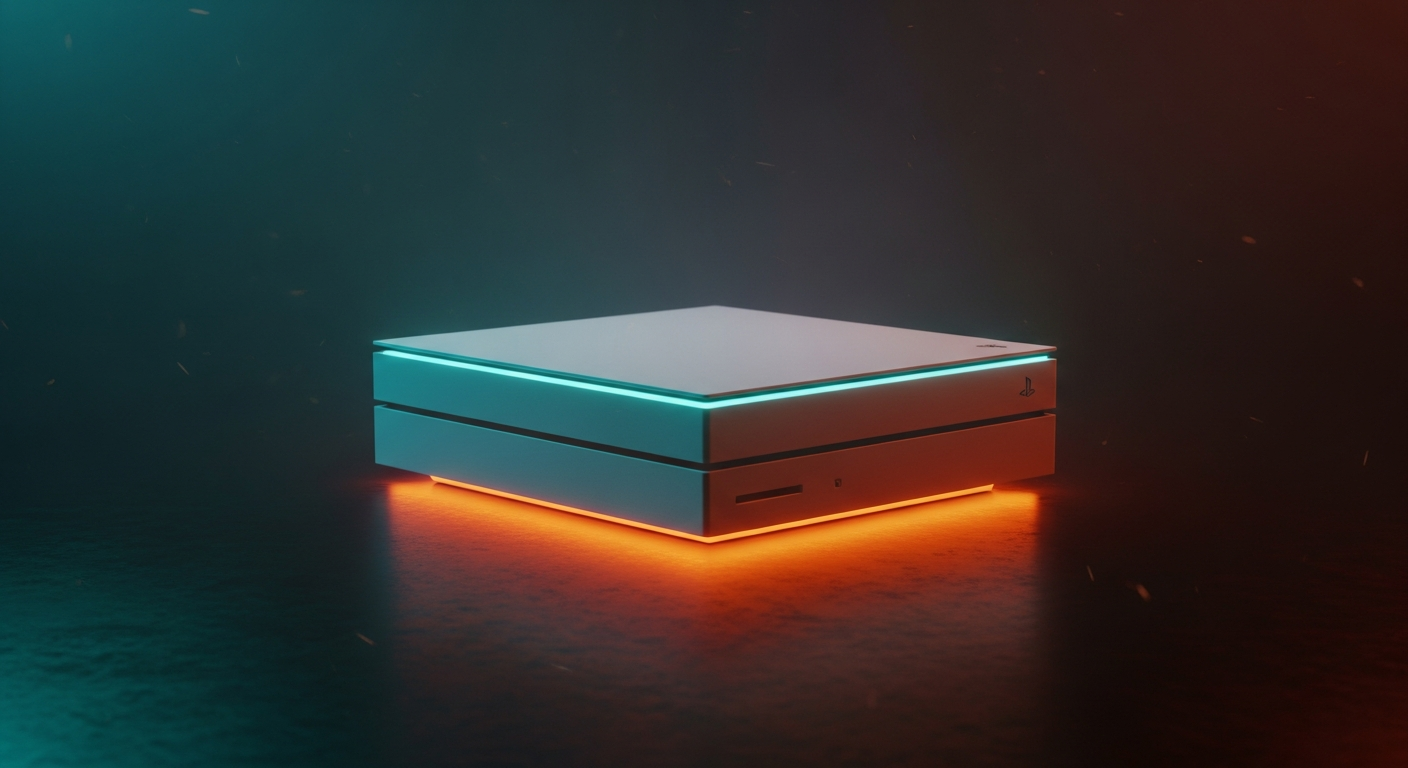
The decline in Xbox hardware revenue sends ripples through the entire industry. Sony is currently leaning into a different strategy. They are doubling down on “Prestige” hardware with the PS5 Pro. Sony wants to capture the high-end enthusiast market. They believe the box still matters. Meanwhile, Nintendo continues to dominate the handheld and family space. Microsoft is now the odd man out in the traditional console race.
Competitors are watching closely as Microsoft becomes a “third-party” publisher on rival platforms. Bringing Sea of Thieves or Hi-Fi Rush to PlayStation was a massive signal. It told the industry that Microsoft values software reach over platform exclusivity. This move puts pressure on other publishers. If Microsoft can dominate the charts on PlayStation, it changes the balance of power. Electronic Arts and Ubisoft now have to compete with a platform holder that is also their biggest rival on the retail shelf.
The impact on Microsoft‘s internal studios is also profound. Teams are no longer just building for one set of specs. They are building for a massive variety of devices. This changes the scope of Quality Assurance. It changes the target for performance. It signals the end of the traditional “Console War” as we know it. The war is no longer about who sold more boxes in December. The war is about who has the most active monthly users across all screens.
Editor’s Take: The Noir Verdict On A Dying Era
For the “Noir” audience, this news feels like the end of an era. We grew up in the trenches of hardware cycles. We remember when the choice of console defined your gaming identity. That world is dying. Microsoft is being honest because they have no other choice. The numbers do not lie. Hardware is a dead end for a company that wants to scale to billions of players.
My take is simple. Microsoft is not failing. They are evolving out of a market they no longer find profitable. They are essentially becoming the “Netflix of Games” but with a massive publishing arm. The decline in hardware revenue is a feature, not a bug, of their new strategy. They are slowly pulling the plug on the Xbox as a physical necessity. They want the Xbox to be an app on your TV. They want it to be a service on your phone.
This is a cynical transition for the purist. It devalues the concept of ownership. It makes our gaming libraries dependent on a cloud connection. But from a business perspective, it is the only logical move. Microsoft cannot out-console Sony. Sony has too much brand loyalty in the hardware space. Microsoft is instead choosing to out-tech everyone. They are leveraging their Azure cloud dominance to bypass the living room hardware battle entirely.
The verdict is clear. The “work” Sarah Bond mentions is the transition to a post-console world. Do not expect a traditional hardware comeback. Expect more games on more devices. Expect the Xbox logo to appear on more rival platforms. The box is just a relic of the past. The future is a subscription, and Microsoft is betting the entire farm on that digital horizon. The era of the console is fading into a noir shadow. What emerges will be more accessible but far less tangible. We are witnessing the slow death of the hardware cycle. It is being replaced by a permanent, flickering stream of data.



Comments