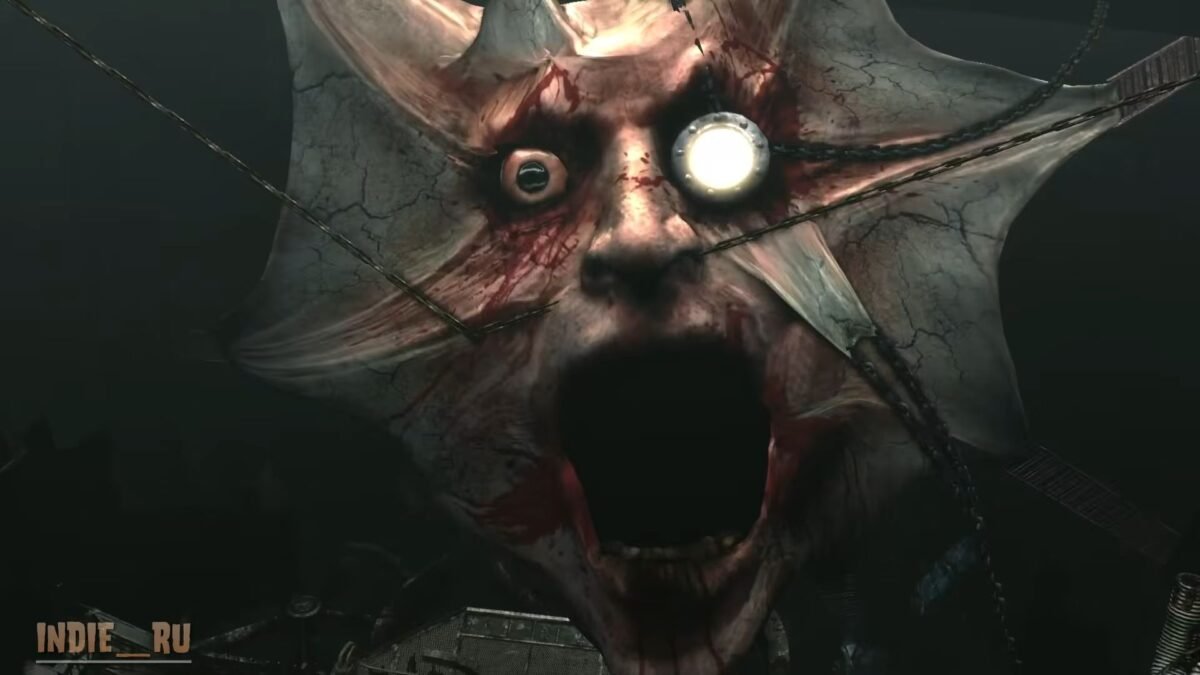
Konami has effectively abandoned the middle era of its most famous survival horror franchise. On July 14, 2026, the community took matters into its own hands. A dedicated fan is building a native PC port of the 2012 release Silent Hill: Downpour, complete with a fully restored cut boss battle. This massive effort exposes a harsh reality about modern gaming. Publishers are entirely willing to let their back catalogue rot on outdated consoles, relying on unpaid modders to act as their digital archivists.
The project, as revealed in the original community announcement and later reported by PC Gamer, is not just a simple emulation wrapper designed to stretch an old game to modern resolutions. The developer is actively restoring unfinished combat sequences and narrative threads that Vatra Games left on the cutting room floor fourteen years ago. The headline attraction is a fully functional boss encounter that was stripped from the retail release before launch. What the official framing of this story hides is the staggering amount of free labor required to make this happen. Konami owns the intellectual property and all the associated code, yet a solo developer is doing the heavy lifting to ensure the game remains playable on modern hardware.
Is Silent Hill 1 or 2 Better, and Where Does Downpour Fit?
The original two games set a psychological standard that the rest of the series has spent two decades failing to replicate. Silent Hill 2 is widely considered the absolute peak of the franchise. It achieved an 86 critical consensus and established a legacy built on subtle dread, trauma, and psychological projection rather than overt action. When evaluating where Silent Hill: Downpour fits into this hierarchy, the comparison is brutal. The 2012 release represents the franchise at its most confused. It is a title that is frequently debated for its atmospheric success versus its narrative execution. Critics and hardcore players have long argued that the middle era of the series completely misses the emotional core and themes that made Silent Hill 2 iconic, as noted in retrospectives from The Beta Network.
The Hidden Cost of Unpaid Archival Labor
Restoring a cut boss battle is a massive technical achievement. It requires reverse-engineering broken code, fixing animation rigs, and assembling disjointed assets into a cohesive encounter. Adding a combat sequence to Silent Hill: Downpour does not fix the fundamental flaws of the core experience. The title suffers from the exact same issues that plague the broader cinematic universe. As Rotten Tomatoes reviewers observed regarding the film adaptations, the expanded universe is visually impressive, but as with many video game adaptations, it’s plagued by inane dialogue. Silent Hill: Downpour shares this exact DNA. The environments look appropriately dreary and the rain mechanics build genuine tension, but the moment the protagonist speaks or the plot attempts to explain itself, that carefully constructed tension evaporates.
We must separate the quality of the game from the absolute necessity of the port. Game preservation cannot be restricted only to the masterpieces that score an 86 or higher on aggregate charts. Silent Hill: Downpour is a heavily flawed product. Reddit users summarize the franchise’s long trajectory perfectly when they call it a mixed bag of perfection and disappointment. Preserving that disappointment is essential for understanding how the survival horror genre evolved and where it stumbled. This fan project ensures that future developers and players can study the missteps of Vatra Games without needing to hunt down a used PlayStation 3 and a physical disc at heavily inflated secondary market prices. Related: our analysis of Sony’s defensive PC porting strategy shows that official corporate channels are increasingly hostile to legacy accessibility, making fan intervention the only viable path forward.
Konami’s Premium Strategy Ignores Its Own Past
Compare this unpaid archival work to Konami’s current commercial strategy. The publisher is actively monetizing the brand’s resurrection with high-profile projects and premium price tags. Players on r/SilentHill_f are already praising the new direction, stating that Silent Hill F and Silent Hill 2 Remake are amazing set of games. Konami is perfectly capable of funding high-end development when they see a clear profit margin. Their refusal to allocate even a fraction of that budget to porting their older generation titles suggests they view those games as financial dead weight. They are perfectly content to let fans do the tedious, technically demanding archival work for free while the corporation reaps the rewards of the premium remakes. We see similar financial logic across the industry, where companies charge premium rates for new additions while ignoring structural rot. Related: Bandai Namco’s aggressive DLC pricing model highlights how publishers prioritize new revenue streams over maintaining existing ecosystems.
The strongest counter-argument is that Konami owes players nothing regarding a fourteen-year-old game that underperformed commercially. Business logic dictates that a publisher should not spend development money porting a title that received mediocre reviews upon its initial release. If Silent Hill: Downpour failed to find a massive mainstream audience in 2012, corporate boards have little incentive to approve a PC port in 2026. This perspective ignores the long tail of digital storefronts. A functional PC port of a legacy horror game generates passive income for decades.
Relying on fans to patch the gaps in a company’s history is an incredibly risky brand strategy. When the definitive version of your intellectual property is distributed through community forums rather than official storefronts, you have surrendered control of your own legacy. The fan community is currently providing a better service for Silent Hill: Downpour than the company that owns the copyright.
The restoration of this cut boss battle is a triumph of community dedication and technical skill. It is also a glaring indictment of an industry that treats its own history as entirely disposable. Fans should celebrate the immense effort required to bring this project to life, but they should never forget why the project had to exist in the first place. Konami has the financial resources to maintain their entire catalogue and make these games accessible to modern audiences. They simply choose to let the fans do it for them.
Featured image via pcgamer.com


Comments