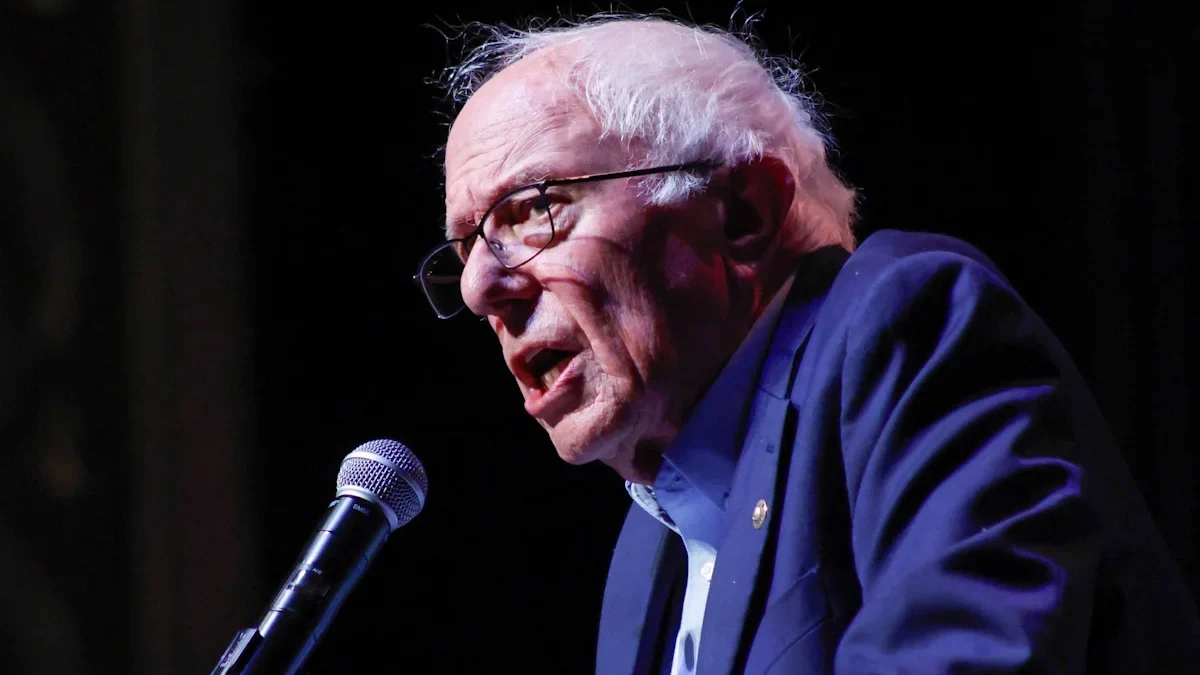
The era of the friendly, player-first Xbox brand is officially over. When a massive corporation eliminates 3,200 jobs while simultaneously jacking up the cost of entry by $150, the mask slips to reveal a pure margin-extraction machine. Senator Bernie Sanders recently took aim at Microsoft for this exact sequence of events, highlighting a financial reality that the gaming industry often tries to obscure behind cheerful marketing. As reported by Yahoo, Sanders pointed directly at the cognitive dissonance of a tech giant reaping corporate tax breaks while heavily taxing its own consumer base and workforce in July 2026.
The core issue here is not just that gaming is getting more expensive. The real story is the blatant disconnect between corporate subsidies and consumer reality. Microsoft is asking players to absorb a massive $150 premium on hardware, pushing the barrier to entry further out of reach for average households. While the source reports do not specify the exact baseline percentage this $150 hike represents against every regional stock keeping unit, an absolute jump of that size alters the financial viability of the platform. At the same time, they are gutting 3,200 positions from their internal studios and support structures. The loss of 3,200 jobs is not merely a corporate restructuring exercise. It represents a massive drain of institutional knowledge, creative talent, and technical expertise from the gaming ecosystem. When a company shrinks its workforce by the thousands while demanding significantly more money at the register, they are not surviving a tough market. They are optimizing their profit margins.
Why Is Microsoft Raising Xbox Prices Now?
Microsoft is raising Xbox prices because their strategy of selling consoles at a loss to build an ecosystem appears to have reached its mathematical limit. For years, the hardware was heavily subsidized by the promise of subscription revenue. Now, that growth has stalled, and the bill has come due. The $150 hike acts as a direct transfer of the business model’s failure onto the consumer. Sanders summarized the sentiment surrounding these corporate maneuvers perfectly when he stated, “Please don’t tell me corporate tax breaks create jobs.” The community sees the hypocrisy as well. Across social platforms, players are waking up to the reality of the situation, with r/xbox Reddit users noting that “Sanders has some good points here on the layoffs” despite the political framing of the discussion.
The Trickle-Down Fantasy Fails Gaming
The video game industry relies heavily on the myth that when publishers save money or receive tax incentives, those benefits eventually result in better games and cheaper hardware. Sanders dismantled that exact premise by pointing out a historical economic truth: “It never trickles down”. Instead of funding new intellectual property or retaining the talent needed to build the next generation of software, the capital saved through layoffs and tax breaks is routed directly to shareholder value. The 3,200 developers and support staff who lost their livelihoods are the collateral damage of a system that prioritizes quarterly earnings over sustainable creative environments. We have seen the creative cost of this corporate strategy before. Related: Xbox’s Retreat From Project Fantasy Is a Fatal Warning to Independent Studios. When human capital is treated as a disposable expense, the games themselves suffer.
Comparing the Cost of Loyalty
To understand the severity of a $150 jump, look at the broader hardware market. When a player considers upgrading their setup in 2026, the value proposition of a closed console ecosystem crumbles under this new pricing tier. If a consumer is asked to pay what amounts to a premium PC component price for a locked box, the math heavily favors abandoning the console entirely. We are already seeing the consequences of these pricing structures elsewhere in the industry. Related: PS5 and Xbox Series X Are Losing the War to PC Gaming. When a closed platform demands an exorbitant entry fee while simultaneously offering fewer exclusive reasons to play, consumers will logically migrate to open platforms where their hardware investments retain long-term value. Microsoft is betting that brand inertia will keep players paying the premium, but a $150 surcharge tests the limits of that loyalty.
The Inflation Defense Does Not Hold Up
The strongest defense for this price hike is the undeniable reality of global inflation and the rising cost of silicon manufacturing. Proponents of the move argue that Microsoft cannot absorb hardware losses forever and that a $150 increase merely reflects the actual cost of producing high-end technology today. They point to shipping logistics and raw material shortages as the primary culprits. That argument sounds entirely reasonable until you factor in the corporate tax breaks Microsoft continues to receive. A smaller company operating on razor-thin margins might need to pass manufacturing costs onto the buyer. A trillion-dollar enterprise benefiting from massive governmental subsidies while firing 3,200 employees does not get to play the victim of macroeconomics. The financial cushion exists; Microsoft simply chose not to use it to protect their players or their staff. And yet a vocal part of the fanbase will defend the increase anyway; we explored why console fans treat spending more as a win while PC players look on confused.
Voting With Your Wallet Is the Only Metric Left
This sequence of events strips away the last remnants of the friendly corporate persona Xbox has cultivated over the past decade. A company cannot claim to be building a welcoming community while simultaneously pricing out lower-income players and discarding the developers who actually create the art. The $150 price increase functions as a stress test to see exactly how much financial abuse the remaining install base will tolerate. Microsoft has drawn a clear line in the sand regarding where their priorities lie, and it is entirely focused on extracting maximum revenue from a shrinking pool of dedicated hardware owners. The corporate tax breaks they enjoy will not fund your next favorite game, nor will they keep the lights on for the thousands of workers who just lost their income. If the hardware math no longer makes sense for your budget, leave the ecosystem behind. Related: These 15 Massive Upcoming Games Are About To Change Everything.
Featured image via yahoo.com



Comments