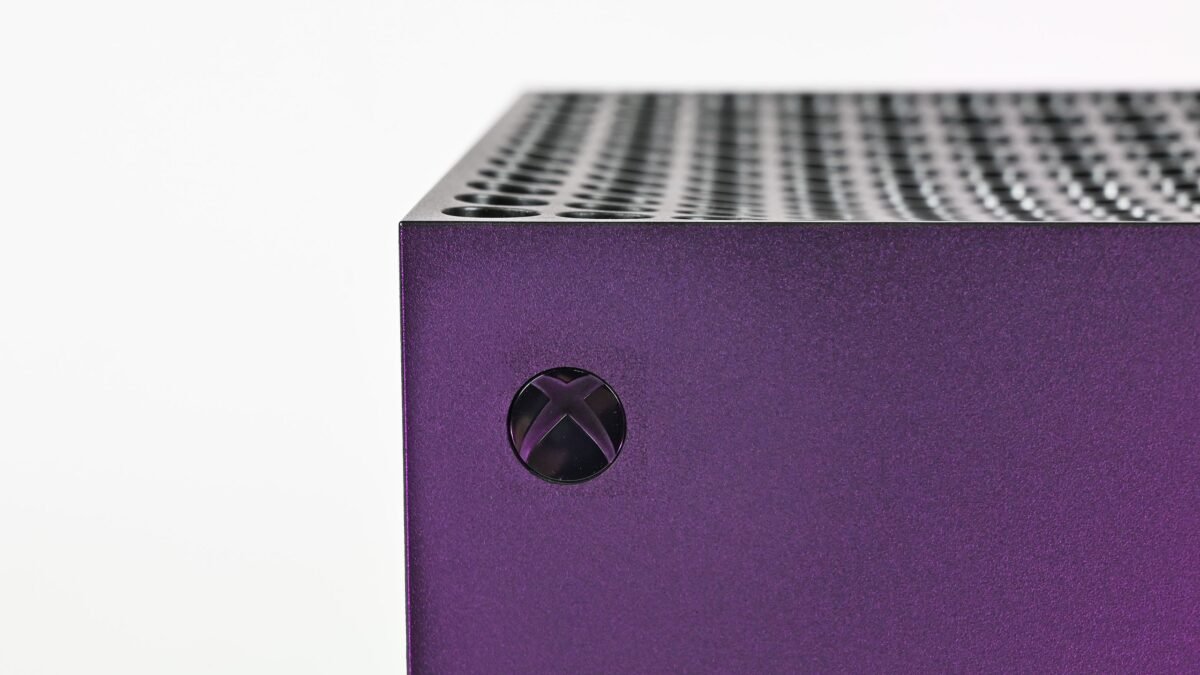
The traditional console hardware cycle is a trap disguised as convenience. Buying a PS5 or Xbox Series X today means locking yourself into a closed digital ecosystem where you pay a premium for the privilege of restricted access. A recent debate about hardware value, as reported by Windows Central, asks a fundamental question. What is the actual point of a digital-only console when a personal computer does the exact same job with total freedom? The answer is that high-end consoles no longer serve the player. They serve the subscription model.
Consoles used to sell a clear, mathematically sound bargain. You bought a piece of plastic for a fixed price, put a physical disc in the tray, and it worked reliably for seven years. That era is dead. Today, the choice between PC and console gaming centers on a trade-off between the convenience and standardized hardware of consoles versus the performance, modding, and customization freedom of PCs. But that standardized hardware is now a Trojan horse. Microsoft and Sony sell their base systems at a loss or an incredibly thin margin. The hardware model appears designed to lock users into walled digital gardens where backward compatibility is treated as a premium subscription feature rather than a standard consumer right.
The Financial Math Favors the Desktop
The upfront cost of a desktop rig terrifies casual buyers. A genuine question on forums like Quora asks, “I’m considering switching to PC. Is it worth all that money?” The initial answer feels like a definitive no when an entry-level gaming machine easily clears the $800 to $1,000 mark, compared to a $500 PS5. The reality requires zooming out to a five-year timeline. That $500 console demands a $70 to $80 annual multiplayer subscription just to access the internet connection you already pay for. Over one hardware generation, that adds $400 to the true cost of the console. Factor in the complete lack of competitive storefront pricing on the digital Xbox and PlayStation stores, and the total cost of ownership violently flips. PC players have access to open digital storefronts competing directly for their dollars. Console players buy from one store at whatever price the platform holder dictates. Related: Elden Ring’s $40 DLC Price Tag Punishes the Day-One Buyer.
What Are the Pros and Cons of PC Versus Console Gaming?
The primary advantage of PC gaming is total ownership of your hardware and software environment, while the main drawback remains the higher initial financial barrier and occasional troubleshooting. Breaking down the platform differences reveals the exact trade-offs:
- Hardware Freedom: As reviewers at PCMag correctly note, “PC gamers can replace their computers’ GPUs, CPUs, RAM, and storage at their conveniences.”
- Software Ownership: When you purchase a digital title on PC, it moves with you across hardware generations without asking for a secondary upgrade fee.
- Financial Scaling: The PC ecosystem scales with your available budget, whereas the console ecosystem demands you buy a completely new box just to keep up.
Look at how platform holders treat their legacy digital libraries. On a desktop computer, hardware upgrades naturally enhance older games through brute force performance and dedicated community modifications. On a console, the platform restricts those performance gains. You are entirely dependent on the manufacturer to patch the software, often requiring a completely new purchase simply because the plastic box under your television changed shape. You are paying twice for the exact same code. Related: Rockstar Charging Console Players for GTA 5 Upgrades Is a Trap.
The Illusion of Plug-and-Play Simplicity
The strongest defense for the traditional console is friction. “The answer is simplicity,” argue some Reddit users, and they are not entirely wrong. “I enjoy the convenience of console gaming,” another user states, capturing the exact demographic Sony and Microsoft target. The appeal of plugging a box into a wall and sitting on a couch with a wireless controller is undeniable. But how simple is modern console gaming in reality? You are still managing bloated storage space limits, waiting for mandatory system updates, and navigating convoluted user interfaces explicitly designed to push advertisements for subscription tiers. The plug-and-play defense died the day consoles required a persistent internet connection to install a game from a physical disc. Related: Next Week on Xbox Hides a Completely Broken Digital Storefront.
The Nintendo Exception
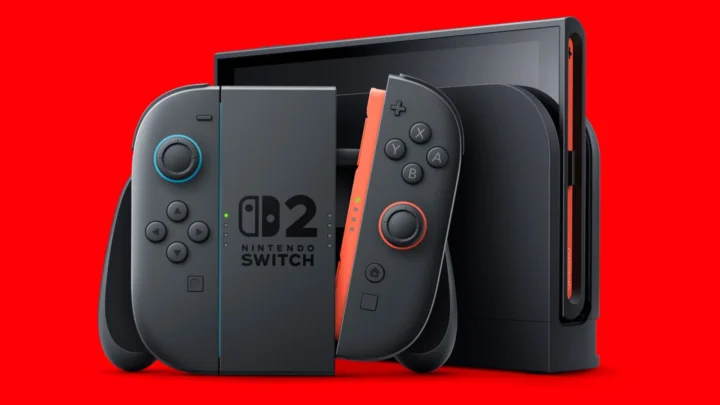
There is one glaring exception to this rule, and it highlights exactly why Sony and Microsoft are losing ground in the hardware conversation. Nintendo offers actual convenience alongside exclusive software that justifies its closed ecosystem. Related: Nintendo’s 155 Million Switch Sales Prove the Console Power War Is Dead. You buy a Nintendo system because it provides an experience you cannot replicate on a standard desktop tower. The PS5 and Xbox Series X, conversely, are just restricted, mid-range computers running proprietary operating systems. As those systems march toward a digital-only future, removing disc drives and killing the used game market, they strip away the last remaining pro-consumer benefit of owning a console.
The era of the console as a dedicated, consumer-friendly gaming appliance is completely over. They are now heavily subsidized storefronts engineered to extract recurring revenue through mandatory subscription fees and aggressive digital monopolies. The hardware exists solely to trap the buyer inside a specific billing cycle. If you are willing to spend $500 on a box that dictates where you buy your games, charges you a premium to play them online, and forces you to buy the entire machine again when it ages, you are not paying for convenience. You are just paying a premium to be locked in.





Comments