
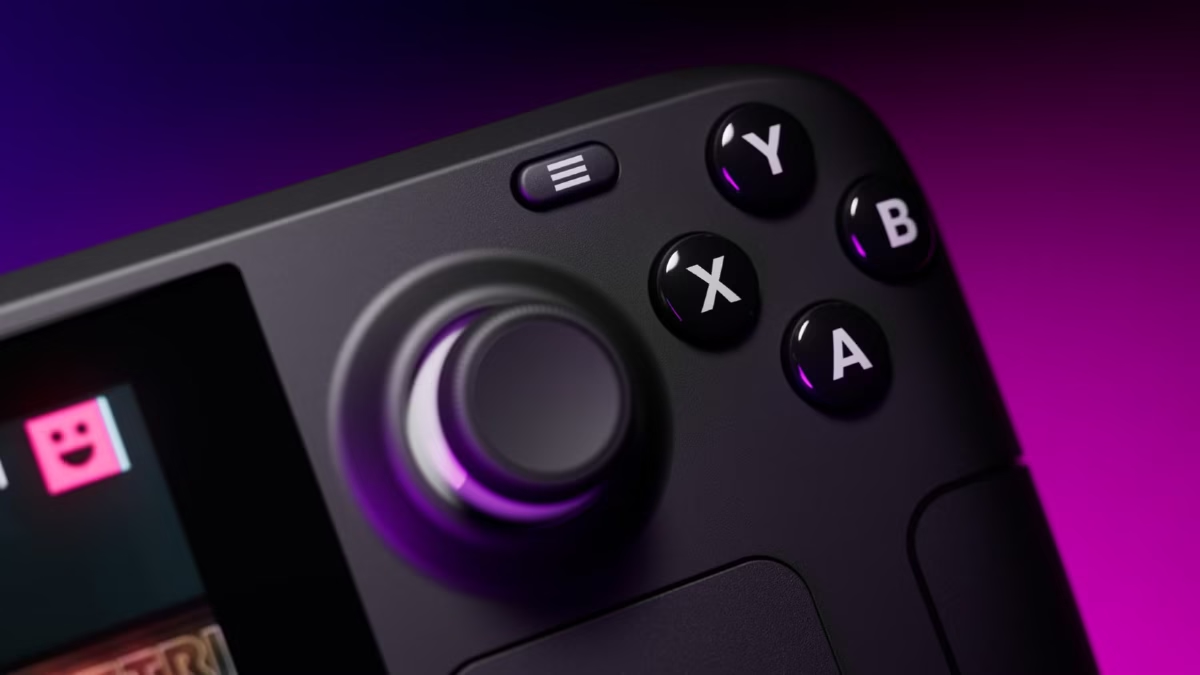
Valve just pulled the plug on the Steam Deck’s biggest competitive advantage. Yesterday’s sudden price hike on the Steam Community page officially ends the aggressive loss-leader strategy that defined the handheld’s 2022 launch. For years, keeping the entry-level price low was Valve’s best weapon to dominate the market and build a massive user base. Here’s what the revised pricing looks like:
Steam Deck OLED 512GB: Now $789 USD; CAD 1,129; EUR 779; GBP 649; AUD 1,199; PLN 3,279
Steam Deck OLED 1TB: Now $949 USD; CAD 1,349; EUR 919; GBP 779; AUD 1,429; PLN 3,879
This unexpected price adjustment has sent shockwaves through the community, especially as fans were already expressing growing concern over the potential costs of future hardware iterations, including rumors surrounding new Steam Machine configurations. By raising the price of the current Steam Deck, Valve has effectively reset the baseline expectations for what portable PC gaming will cost moving forward. We previously analyzed how the Steam Deck won the handheld war through Proton compatibility, but this new financial hurdle threatens to alienate the very budget-conscious audience that helped the platform succeed in the first place.
Will the Steam Deck Price Increase Kill Handheld PC Gaming?
The massive price increase announced by Valve will not outright kill handheld PC gaming, but it fundamentally alters the value proposition that made the hardware a household name. When Valve first entered the hardware market with the Steam Deck, it utilized a classic loss-leader strategy, selling the entry-level model at an incredibly tight margin to get devices into players’ hands and recoup the costs through game sales on the Steam store. Now that Valve has successfully established its ecosystem as the default standard for portable PC play, this price hike suggests the company is transitioning from market penetration to profit maximization.
This shift leaves a massive opening for competitors who might choose to undercut Valve, though it is more likely that other manufacturers will use this as permission to raise their own prices as well. The appeal of the Steam Deck was never just its portability; it was the fact that you could access your entire PC library on a device that cost significantly less than a mid-range gaming laptop. With that price gap closing, many prospective buyers may decide to stick to traditional consoles or invest in full-sized gaming rigs instead, slowing the rapid adoption rate of handheld systems.
The Analysis
To understand why this price hike hurts so much, we have to look at the broader economic context of the gaming industry in 2026. Hardware manufacturing costs have risen across the board, driven by supply chain complexities and the increasing cost of specialized silicon. However, Valve is not a struggling hardware startup; they run the most profitable digital distribution platform on Earth. Choosing to pass these rising costs directly onto the consumer, rather than absorbing them using their massive digital distribution revenues, is a deliberate business decision that prioritizes hardware profit margins over ecosystem growth.
This decision mirrors a worrying trend of rising hardware costs across the entire gaming industry. We have seen similar premium pricing strategies from other major players, such as Sony’s expensive hardware strategies with the PS5 Pro, which pushed console gaming into an elitist pricing tier. Valve was once viewed as the consumer-friendly alternative to these corporate console tactics, but this price increase proves that no corporation is immune to the allure of higher margins once they have secured a dominant market share.
Furthermore, the timing of this price hike is particularly painful for players. With major software releases demanding more robust hardware, consumers are being asked to pay more money for technology that is naturally aging. While the Steam Deck remains an incredible piece of engineering, paying a premium price in 2026 for hardware specs designed years prior is a tough pill for any gaming enthusiast to swallow.
The Jay Respawns Position
At Jay Respawns, we believe this price increase is a major misstep that tarnishes one of the most consumer-friendly legacies in modern gaming history. Valve built its hardware empire on the promise of accessibility, proving that PC gaming did not have to be an expensive, elitist hobby reserved only for those who could afford thousands of dollars in components. By raising the price of the Steam Deck, Valve is dismantling the very bridge they built to bring console players into the PC ecosystem.
It is incredibly disappointing to see Valve capitalize on their market dominance in this manner. For years, the company was praised for offering a high-quality, open-source gaming option that respected the player’s wallet. This move feels less like a necessary adjustment to inflation and more like a calculated extraction of wealth from a captive audience that has nowhere else to go for a comparable software experience. Valve has the financial resources to keep the Steam Deck affordable, and choosing not to do so is a clear sign of corporate complacency.
If Valve continues down this path, they risk turning the Steam Deck from a revolutionary device for the masses into a luxury toy for enthusiasts. The magic of the handheld lay in its democratic nature, the idea that anyone could pick up a unit and start playing their favorite games on the go without breaking the bank. By raising the barrier of entry, Valve has signaled that the golden era of affordable handheld PC gaming is officially over, leaving players to wonder if future hardware will be priced completely out of reach. Related: Steam Machines Are Making A Comeback But Should You Actually Buy One?.
Valve spent years building a handheld revolution, only to lock the gates behind a premium paywall.
Featured image via store.steampowered.com

Comments