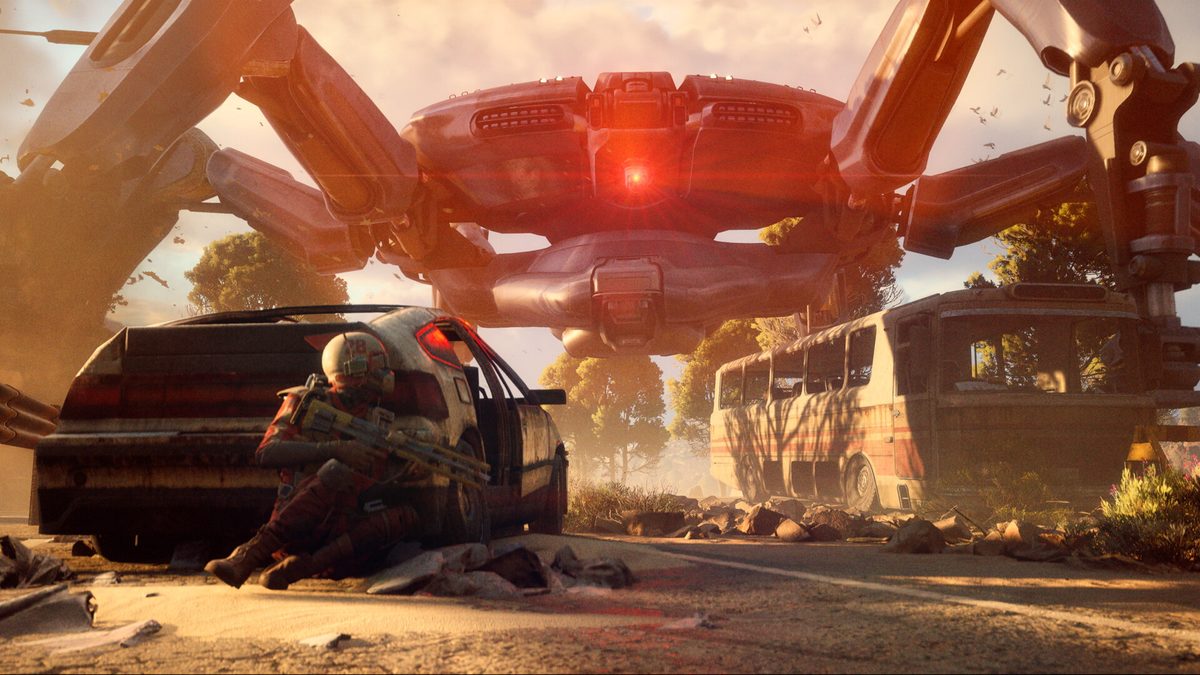
Almost 50% of the rounds played during the October test ran on the PvE server, executive producer Aleksander Grøndal told The Game Business. That half matters. My read is that this number tells you far more about where Arc Raiders goes in its second year than the headline 17 million sales figure ever could. Raiders actively flipped the toggle, leaving nearly half of all matches played over those seven days to run without player-to-player damage.
The real issue is not whether Embark has the mechanical ability to split its player base. Chief executive Patrick Söderlund made that part sound simple, observing that “We could just frankly add PvE”. What the headline hides is what a permanent toggle costs the core design and who that secondary server structure actually serves when raiders exhaust the launch content.
What did Embark’s PvE test actually show?
| Figure | Number |
|---|---|
| PvE rounds played | More than 30 million |
| PvE share of all rounds | Almost 50% |
| Test window | October 13 to October 20, 2026 |
| Cumulative sales | Over 17 million units |
| Steam price | $39.99 |
The rules were straight. In an announcement post, Embark confirmed the October test disabled player-to-player damage while combining Solos, Duos and Trios into single sessions. Loot values dropped to balance out the lower risk, though rounds on the PvE server left a raider’s PvPvE matchmaking rating intact. Four modes were excluded. Anyone entering Night Raids, Hidden Bunker, Locked Gate or Frigate stayed in the standard queue.
Thirty million rounds is a tally of matches, not people. If those PvE rounds made up nearly half of all activity, players completed roughly 60 million rounds or more across both queues combined.
The reception split the audience. Developers described the initial feedback as polarizing in their results post. To collect structured data, the team sent a survey to a representative sample on October 22. Embark said it expects to follow up with further information in November, and with 13 days of November left, that update has not arrived.
That nearly 50 percent figure captures choice during seven days of a voluntary test, not permanent behavior. Embark tracked rounds over a single week, leaving open whether raiders would stay in that queue over months. Curiosity drives short tests. Whether players stick around is a different question.
Is 17 million sales a growth story or a plateau?
Seventeen million units sold sounds big. The trajectory tells a more nuanced story. The game moved roughly 12.4 million copies in its first ten weeks, as covered in a sales update from January. Over the roughly ten months between that benchmark and the November 10 release, it added roughly 4.6 million more. Nexon gave no unit count for Q3, so the latest quarterly figure is Q2’s, when an additional 800K sales brought the total past 16.3 million and generated about 15 percent of publisher revenue, according to an industry coverage piece on Q2.
Nexon’s Q3 release gave no player counts. Because of that gap, a slowing sales curve says little about how many people play today.
A major content drop remains the clearest evidence on hand for restoring active numbers, whereas a permanent PvE server split remains an untested lever for long-term player retention. Nexon’s Q2 release put Arc Raiders past 88 billion yen generated since launch while framing the October Frozen Trail release as its largest content update since the 2025 launch. Grøndal observed that the update brought a lot of players back.
In the latest Nexon release, the publisher stated it expects Q4 revenue to fall year over year against the launch quarter while remaining broadly flat sequentially compared to Q3. I covered Embark’s roadmap in May.
Why does a PvE option matter for retention?
Day-one retention reached 80 percent at launch, yet long-term engagement reached an early ceiling. Players logged roughly 100 hours of playtime before they were “kind of done with what we had given them”, Söderlund observed. Embark halted its monthly content updates to reshape its plan. Söderlund acknowledged that pausing the release schedule would affect sales and engagement, admitting to moments of a little bit of panic as raider numbers dropped. He pointed to an example where someone spends 40 dollars and gets 100 hours of play from the purchase.
My read is that the PvE toggle gives Embark a direct way to lengthen play time, though the studio has never stated that retention drives the idea.
Some raiders see PvE as an extra space for newcomers or passive players who prefer to avoid firefights. Others argue that Arc Raiders reached a wider player base precisely because of its machine combat rather than its third-person raider fights alone.
Grøndal said, “We managed to get a lot of players back”. What matters more than short-term spikes is whether structural server options keep raiders around between major updates.
How does Marathon’s PvE plan compare?
December 8, 2026 is when Marathon gets its permanent co-op PvE content through the Symbiosis update, setting a calendar benchmark Embark Studios has not matched. Marathon launched on March 5, 2026. The headline addition in December is Expedition, a dedicated co-op destination that blends roguelite elements with escalating challenges and randomized stat upgrades called Flash Boosts. Bungie tested and promised that framework earlier this year, building up to an open play week from December 8 to December 15. That free window lets new players try the additions without spending money upfront, according to Game Informer.
Embark mentioned a November follow-up. It has published nothing yet and carries no commitment to a permanent PvE mode.
Scope separates these two designs. Embark ran its October 13 to October 20 test as a server toggle that left four modes out of the experiment entirely. Night Raids, Hidden Bunker, Locked Gate and Frigate stayed standard. Bungie builds Expedition as a dedicated co-op PvE destination with roguelite elements and Flash Boosts instead. One approach asks raiders to accept an altered rule set on familiar ground, while the other demands they learn a separate mode.
My read is that a firm calendar date and a bespoke mode are what a real commitment looks like in this space.
When would a permanent PvE mode be a mistake?
A permanent PvE mode is a bad trade if splitting the player base erodes server population in quiet regions or off-peak hours. Grøndal stated that almost 50 percent of rounds during the October test were played on the PvE server, though Embark had already warned in its test announcement that low-population regions or off-hours might see a small increase in matchmaking times. Loot value was also lowered on those servers to offset the reduced risk. Grøndal noted that some players who initially requested a PvE mode changed their minds after playing it. Dividing the player pool could make standard matches slow to fill without offering enough long-term depth in the alternate mode.
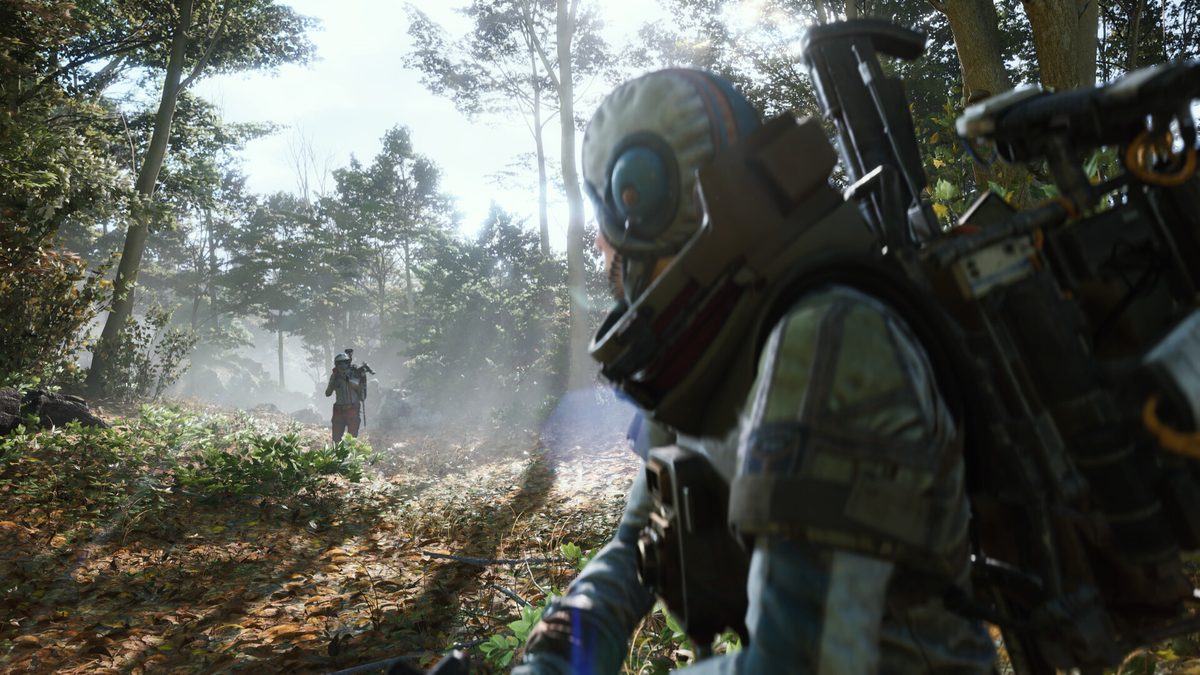
Embark originally resisted altering its core loop, though Söderlund noted the team eventually tested PvE and found the experience fine. He suggested players might ultimately be granted that choice. Any permanent implementation would likely have to preserve the structural tension of the original extraction format to remain viable long term.
The debate over structural additions hinges entirely on what raiders actually want from the game. One perspective holds that the extraction genre fundamentally calls for the specific feeling of shooting other human players to sustain its risk, while another argues that Arc Raiders reached mainstream success because of its PvE side rather than its third-person combat against human teams taken in isolation. A third view treats the environment as a supplementary space meant mostly for beginners and passive players. That line of thinking suggests the core queue simply needs more people to maintain population numbers.
Should you buy, return or wait?
Nothing changes today if you are here for the core PvPvE tension. Arc Raiders remains $39.99 on Steam, and Grøndal’s statement stands as a clear caution rather than a promise of future server splits.
Waiting is the sensible call if you are a PvE-curious buyer weighing that $39.99 entry fee. Embark has committed to nothing permanent and expects to follow up in November, while Marathon’s open play week running from December 8 to December 15 provides a free option to try a PvE-first extraction mode before you spend a single dollar.
The next development to watch for any lapsed raider who stepped away around the 100-hour mark is Embark’s pending November follow-up. Grøndal noted that the Frozen Trail expansion brought a lot of players back after active numbers dropped.
The entry price sits at $39.99 on Steam today.




Comments