
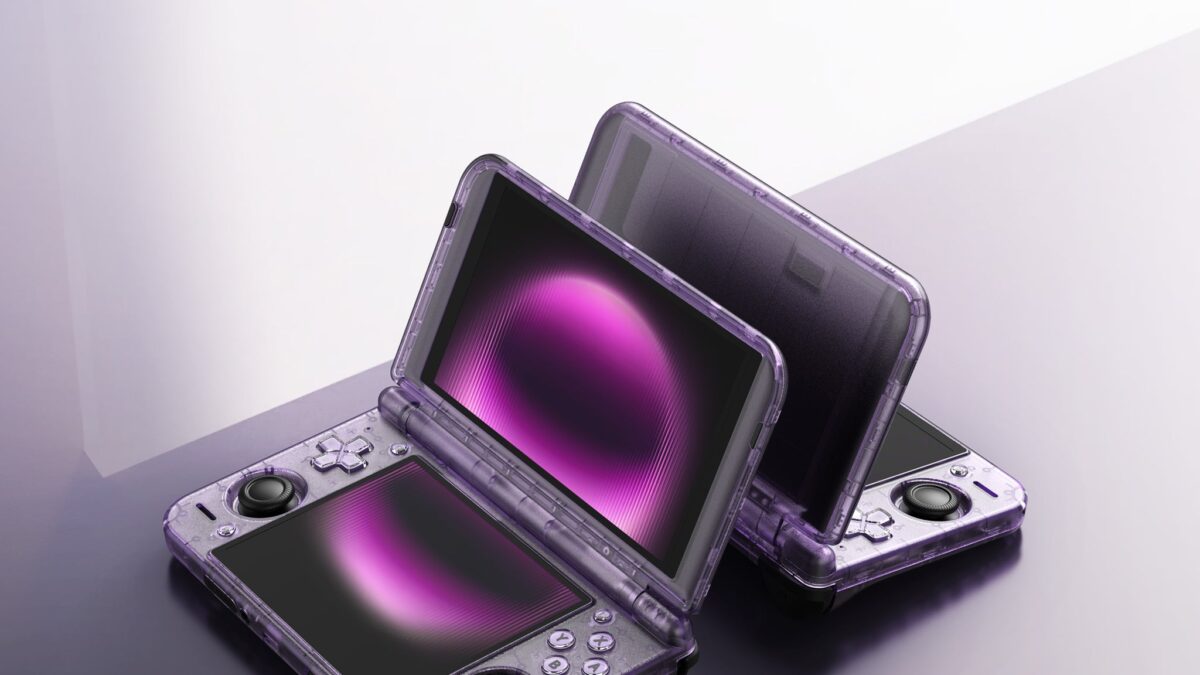
The dual-screen Android handheld market is no longer a weird curiosity, but it is about to get cheaper than most single-screen flagships. When the Retroid Pocket Duo lands in mid-October 2026, its $269 retail price will represent a direct challenge to the pricing power of its main competitor. Over the last year, buying a premium dual-screen handheld meant dealing with a market where prices went up, not down, leaving budget-conscious emulation fans stranded. This new device alters the entire scene by offering high-end OLED panels for less than the cost of most single-screen flagship portables.
The real story here is not about the novelty of having two screens on a hinge. It is about how Retroid is using modern midrange silicon to bypass the supply bottlenecks and price hikes that have plagued its rivals. While other manufacturers have blamed rising component costs for pushing their systems past the $350 mark, Retroid is launching a dual-OLED clamshell at a price that actually undercuts last year’s single-screen options. It is a calculated move that targets the exact pain points of the emulation community, specifically those who want to play dual-screen systems without spending laptop money.
What Has Retroid Actually Confirmed?
Before diving into the hardware details, we must state plainly that this is a pre-release preview. The Retroid Pocket Duo has not shipped yet. The device is currently announced and available for pre-order only, with an official shipping window starting in mid-October 2026. Nobody outside of Retroid’s development team has used, tested, or reviewed a production unit yet. Therefore, we cannot present any real-world performance metrics, battery life figures, or thermal measurements as verified facts.
Based strictly on Retroid’s official product page, the confirmed specifications for the standard Retroid Pocket Duo are as follows:
- Price: $269 retail ($249 during the pre-order promotional window).
- Chipset: Qualcomm Dragonwing Q-7790.
- RAM and Storage: 8GB LPDDR4x RAM paired with 128GB of UFS 2.1 internal storage.
- Top Display: 5.5-inch 1080p OLED panel with a 16:9 aspect ratio and a 120Hz refresh rate.
- Bottom Display: 4.5-inch 960p touchscreen OLED panel with a 4:3 aspect ratio and a 120Hz refresh rate.
- Battery: 6000mAh capacity.
- Operating System: Android 16.
- Cooling: An active cooling fan system.
- Connectivity: Built-in Wi-Fi 6E.
- Shipping Window: Retroid has committed only to “mid-October 2026,” with no exact ship date announced. October 15 is the deadline for the $20 pre-order discount, not the ship date.
Retroid has also confirmed a budget-friendly variant called the Retroid Pocket Duo Lite. This model starts at $149 for a 4GB RAM configuration, swapping out the dual OLED panels for dual IPS screens of the same physical dimensions while retaining the same Qualcomm Dragonwing Q-7790 processor.
Retroid Pocket Duo vs AYN Thor: Head-to-Head on Paper
Because the Retroid Pocket Duo has not yet shipped, we cannot run side-by-side thermal tests or measure battery depletion in real-time. Retroid’s track record with the Pocket 5 and Flip 2 gives us a clear template for their build quality, while AYN Thor ownership data from the past year reveals exactly where the older device succeeds and where it stumbles. The raw specifications show two very different approaches to dual-screen engineering.
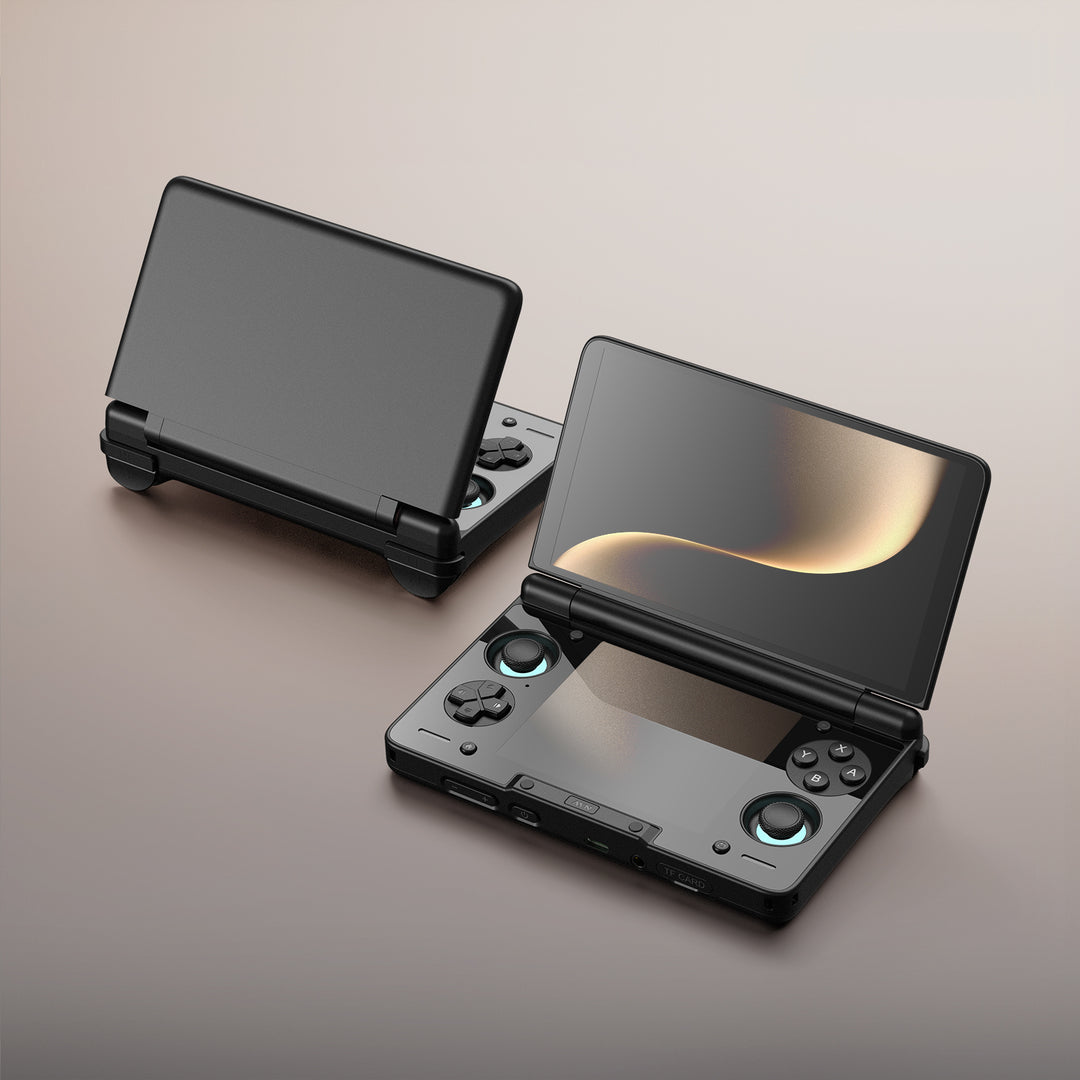
| Specification | Retroid Pocket Duo | Retroid Pocket Duo Lite | AYN Thor (Base Tier) |
|---|---|---|---|
| Retail Price | $269 ($249 pre-order) | $149 (4GB) / Step-up (6GB) | $319 (confirmed June 2026; further unspecified hikes announced since) |
| Chipset | Qualcomm Dragonwing Q-7790 | Qualcomm Dragonwing Q-7790 | Snapdragon 8 Gen 2 |
| RAM / Storage | 8GB LPDDR4x / 128GB UFS 2.1 | 4GB or 6GB / 64GB or 128GB | 8GB LPDDR5x / 128GB UFS 4.0 |
| Top Display | 5.5-inch 1080p 120Hz OLED (16:9) | 5.5-inch IPS | 6-inch 120Hz AMOLED (16:9) |
| Bottom Display | 4.5-inch 960p 120Hz OLED (4:3) | 4.5-inch IPS | 3.92-inch 60Hz AMOLED |
| Battery Capacity | 6000mAh | 6000mAh | 6000mAh |
| OS version | Android 16 | Android 16 | Android 13 |
The table highlights a major shift in how these companies source their components. AYN relied on flagship silicon from previous generations, which left them vulnerable to price shifts. Retroid went with a modern, mid-tier architecture specifically designed to keep manufacturing costs stable. If you want to see how this compares to single-screen alternatives, you can read our Retroid Pocket 6 vs AYN Odin 3 comparison or browse our full handhelds coverage hub for deeper context on the wider market.
Processor efficiency is where the real division lies on paper. The Qualcomm Dragonwing Q-7790 inside the Retroid Pocket Duo is built on a modern architecture. Early manufacturer data suggests this chipset is 30 percent faster than the Snapdragon 7 Gen 3. While the spec sheet suggests it cannot match the peak graphical output of the Snapdragon 8 Gen 2 found in the higher-tier Thor models, it should theoretically run cooler under sustained loads because of the smaller, more modern node, though this is unverified until units ship. If the chip behaves as Qualcomm’s numbers suggest, sustained sessions might avoid the aggressive thermal throttling that occasionally hits the Thor during long sessions of high-end emulation.
Screen configuration is another area where Retroid took a different path. The AYN Thor features a 6-inch top screen and a 3.92-inch bottom screen. The Retroid Pocket Duo balances things out with a 5.5-inch top display and a 4.5-inch bottom display, both running at 120Hz. For DS and 3DS emulation, that larger bottom screen should offer a quality-of-life upgrade, potentially making touch-based menus easier to use without a stylus. The uniform 120Hz refresh rate across both panels is designed to prevent the visual stutter that can occur on the Thor when moving assets or UI elements between its 120Hz screen and its 60Hz screen.
Control layouts will divide buyers instantly. Retroid went with a traditional D-pad-up clamshell layout, which is ideal for retro systems and older handheld emulators. The AYN Thor uses asymmetric stick placement, favoring modern 3D games over classic 2D titles. Reviewers who have logged extended time with the Thor point to its blocky chassis and stiff right trigger as the most uncomfortable part of the device after a week of regular use. Whether the Pocket Duo avoids this is genuinely unknown. Reviewers have noted the Thor’s trigger and chassis complaints trace back to the same clamshell layout Retroid used on its own Flip 2, so a shared design lineage is not automatically reassuring here, and hands-on units will need to confirm it one way or the other.
Software support is a lopsided victory on paper for the newer machine. The Retroid Pocket Duo ships with Android 16, whereas the AYN Thor is stuck on Android 13. This three-generation gap affects more than just menu layouts. Android 16 is built to manage memory allocation and multi-window tasks natively, which is vital when you are running two screens simultaneously. Older Android versions face mounting security and API compatibility issues when trying to run modern frontend launchers or the latest forks of high-end emulators.
What Can You Actually Do With It?
Based strictly on the officially confirmed specs and features, we can map out what the Retroid Pocket Duo should realistically be capable of when it ships in mid-October 2026. With its dual 120Hz OLED displays and Android 16 operating system, this device is custom-tailored for dual-screen emulation. Users can expect to run DS, 3DS, and vertical arcade games with a natural layout, utilizing the bottom touchscreen just as the original physical hardware functioned. The 4.5-inch bottom screen offers ample real estate for touch controls, map screens, and inventory management.
Because it runs Android 16, the device will support standard Android apps and games, along with the ability to sideload popular emulation frontends like RetroArch, Daijishou, or Pegasus. The confirmed Wi-Fi 6E chip means fast wireless speeds for downloading ROMs, scraping box art, or streaming games via Moonlight and Steam Link. Additionally, the USB-C port is expected to support video output, allowing you to connect the device to an external monitor or television.
However, there are several critical factors that remain unconfirmed and unknown at this stage:
- Heavy 3D Emulation Performance: While the Dragonwing Q-7790 is a capable mid-range chip, we do not know how well it will handle demanding systems like the PlayStation 2, GameCube, or Nintendo Switch. No independent benchmarks exist yet, and the 8GB RAM limit on the standard model could act as a bottleneck for these heavier systems.
- Real-World Battery Life: Although the 6000mAh battery capacity is confirmed, the actual runtime hours are completely unknown. Driving two high-brightness 120Hz OLED panels simultaneously under heavy emulation loads will draw significant power, and real-world efficiency remains to be seen.
- Software and OTA Support: While Retroid has a solid track record of post-launch updates with the Pocket 5 and Flip 2, we do not know how frequently the Duo will receive over-the-air (OTA) updates, bug fixes, or controller mapping profile additions.
If your goal is to play Nintendo Switch games, neither of these devices is a smart purchase. Switch emulation on Android is not the solved problem marketing screenshots suggest. It depends on GPU driver extensions that vary by chipset, and lighter titles run fine while demanding first-party games remain hit-or-miss even on hardware stronger than either handheld here. The 8GB of RAM in the Retroid Pocket Duo is a strict bottleneck for modern emulation, and the Dragonwing processor will struggle with heavy 3D titles on those systems. If you spend $269 expecting a flawless hybrid console experience, you will end up disappointed within the first hour.
The price volatility of the AYN Thor also makes it incredibly difficult to recommend in late 2026. AYN raised Thor pricing at least three separate times this year, pushing the top-tier Max configuration up to $549 and the mid-tier 16GB config to $469. Paying nearly $500 for an Android device with a three-year-old operating system is already a tough sell, and AYN’s own storefront reviews add a separate risk on top of it: buyers describe slow, sometimes month-long waits for support responses on AYN hardware orders generally, which matters more on a $469-plus purchase than it would on a cheaper impulse buy.
For beginners, the dual-screen setup introduces a massive barrier to entry. Setting up dual-screen layouts, mapping touch inputs to physical buttons, and managing screen-swapping hotkeys requires a level of patience that casual gamers simply do not have. If you are buying a gift for a partner or want something that works out of the box, a single-screen device like the one discussed in our Anbernic RG477V vs Retroid Pocket 6 comparison is a safer, cheaper, and more reliable option.
Do You Even Need a Dedicated Handheld If You Own a Fold 8?
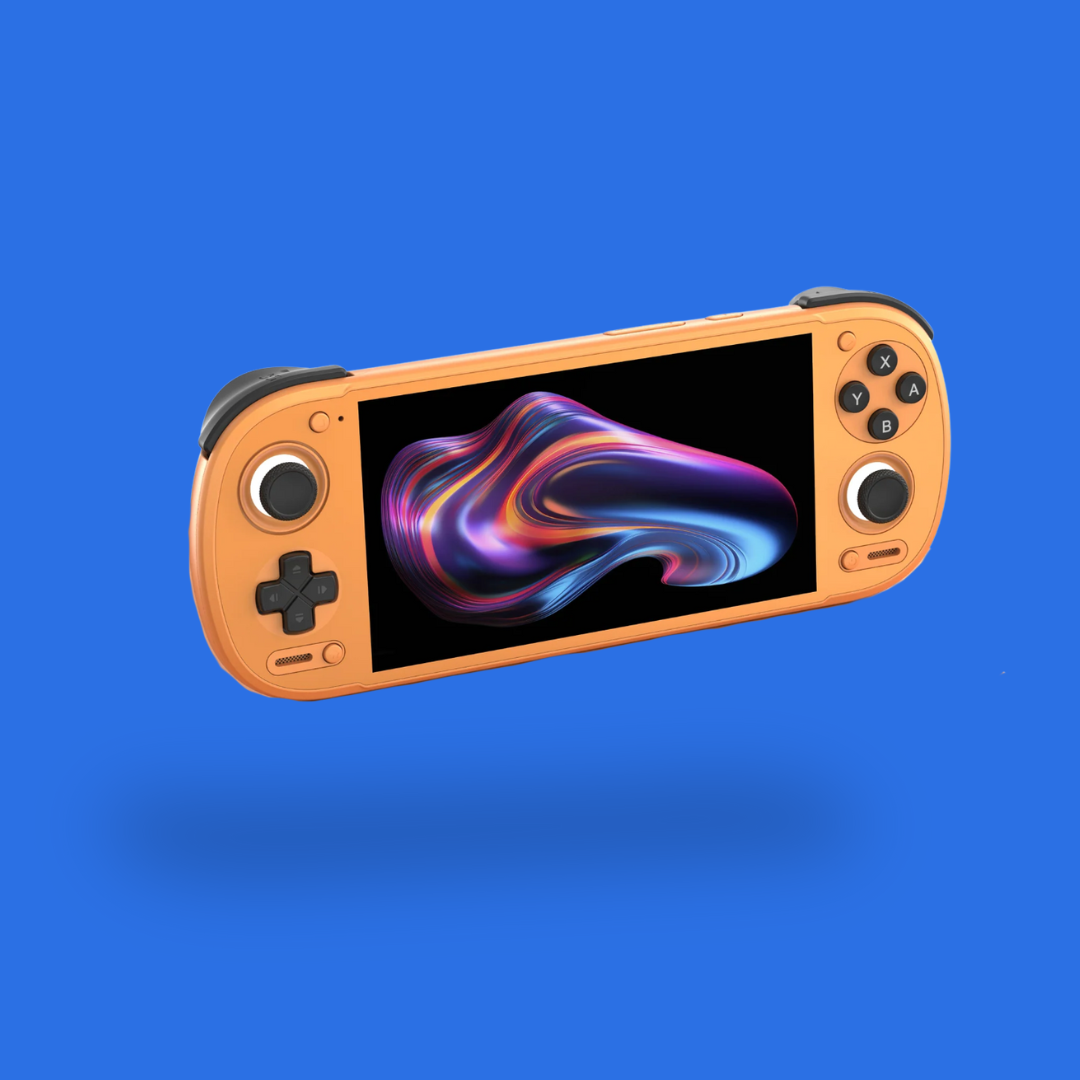
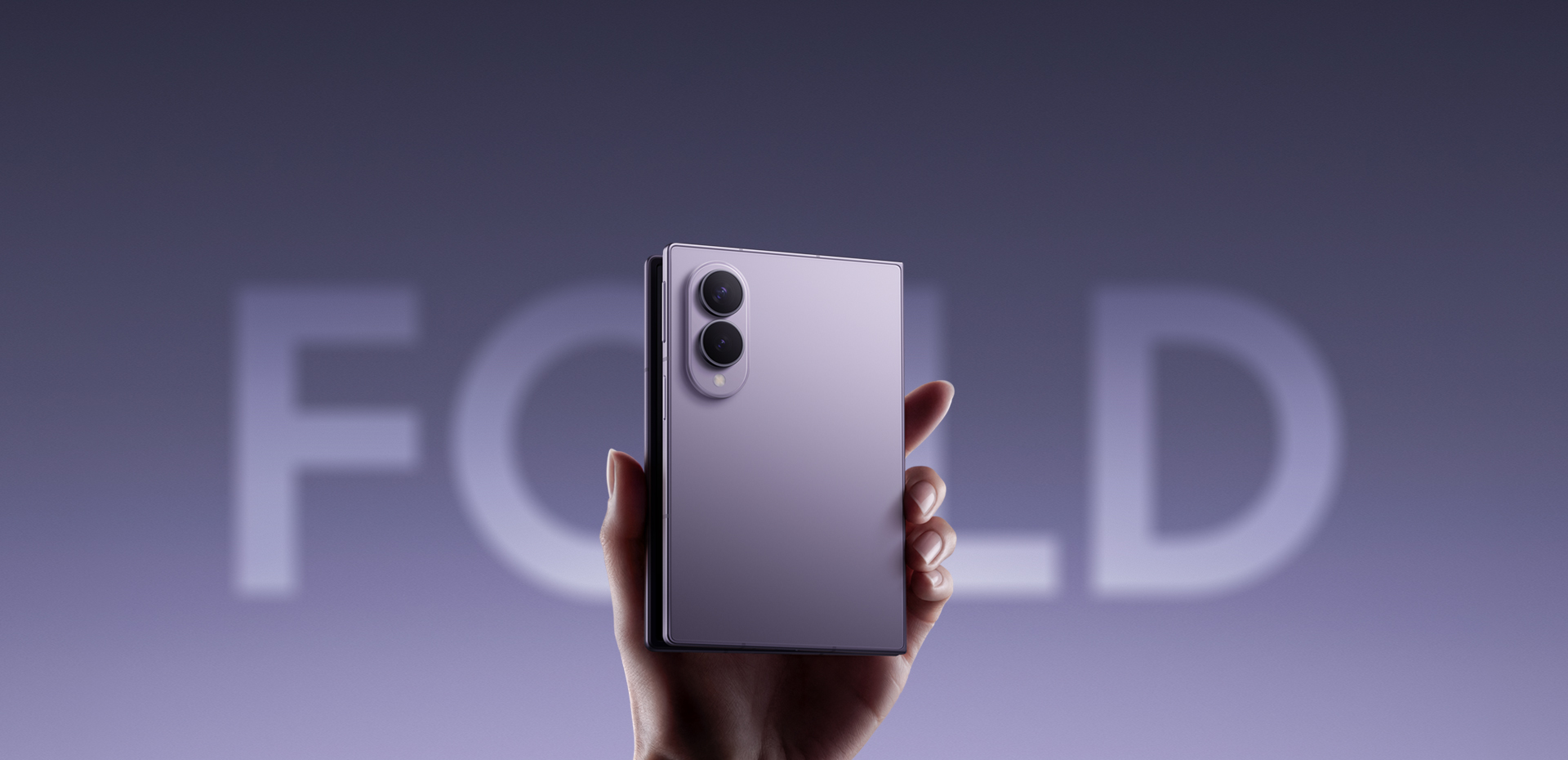
At $244, the Retroid Pocket 6 is a steal, but if you already shelled out $1,899 for the Samsung Galaxy Z Fold 8 released on August 7, 2026, you might wonder why you need another device. The Fold 8 features a Snapdragon 8 Elite Gen 5 chipset running Android 17, paired with a 7.6-inch inner display. According to a gaming review by SammyGuru, this 4:3 aspect ratio screen is a strong fit for retro emulation, filling edge to edge with no black bars when playing classic consoles up to the PS1 and Sega Dreamcast era. For a professional who already owns the Fold 8 for work and simply wants occasional PS1-era emulation without carrying extra gear, the foldable is genuinely the better choice, since the cost is already sunk.
The premium phone falls short during longer sessions, though. It lacks physical controls, meaning you must buy a Bluetooth controller like the 8BitDo Micro to enjoy DS or 3DS emulation, while Nintendo Switch emulation requires custom aspect-ratio patches to look correct. More importantly, the thin foldable chassis introduces real cooling constraints that limit sustained heavy emulation compared to dedicated gaming hardware. The Retroid Pocket 6 counters with built-in Hall effect sticks, active cooling, and a 6000mAh battery for an eighth of the price.
Which dual-screen device fits your budget?
Because the Retroid Pocket Duo is currently a pre-order product, your purchasing decision comes down to a calculated risk rather than a verified retail choice. Pre-ordering now makes sense if you are comfortable buying based entirely on the official spec sheet, you trust Retroid’s established track record with devices like the Flip 2, and you want to secure the discounted $249 promotional price before it rises to $269. If you want the absolute best screen specifications for DS, 3DS, and vertical arcade games on paper without spending a fortune, the Retroid Pocket Duo represents a highly competitive option.
However, if you prefer to see independent thermal testing, verified battery runtimes, and real-world emulation benchmarks before spending your money, your best course of action is to wait. Waiting for independent reviews after the mid-October 2026 ship date will eliminate the guesswork, even if it means missing out on the $20 pre-order discount.
If you are on an extremely tight budget but still insist on a dual-screen form factor, the Retroid Pocket Duo Lite is a fascinating alternative. By swapping the expensive OLED panels for IPS screens and offering a 4GB RAM starter model, Retroid managed to bring the entry price down to $149. It uses the exact same Dragonwing Q-7790 processor as its more expensive sibling, meaning you get the same raw emulation power and thermal efficiency for $120 less.
The AYN Thor only makes sense if you absolutely require the raw GPU grunt of the Snapdragon 8 Gen 2 for high-end single-screen Android gaming, and you do not mind using the secondary screen as a minor utility display. However, with the base model already at $319 as of June 2026, and AYN having announced yet another unspecified hike on top of that, you are paying a rising premium for older software and a bulkier design. For the vast majority of retro gaming enthusiasts, Retroid’s newer architecture and balanced screen sizes offer a far more cohesive experience.
My recommendation is to pre-order the Retroid Pocket Duo if you are comfortable buying on specs. Having spent months watching the dual-screen market inflate, Retroid’s decision to launch a dual-OLED system with a modern Android version for under $270 is a highly promising correction to this niche, backed by the company’s solid hardware history. The pre-order discount remains active until October 15, 2026.

Comments