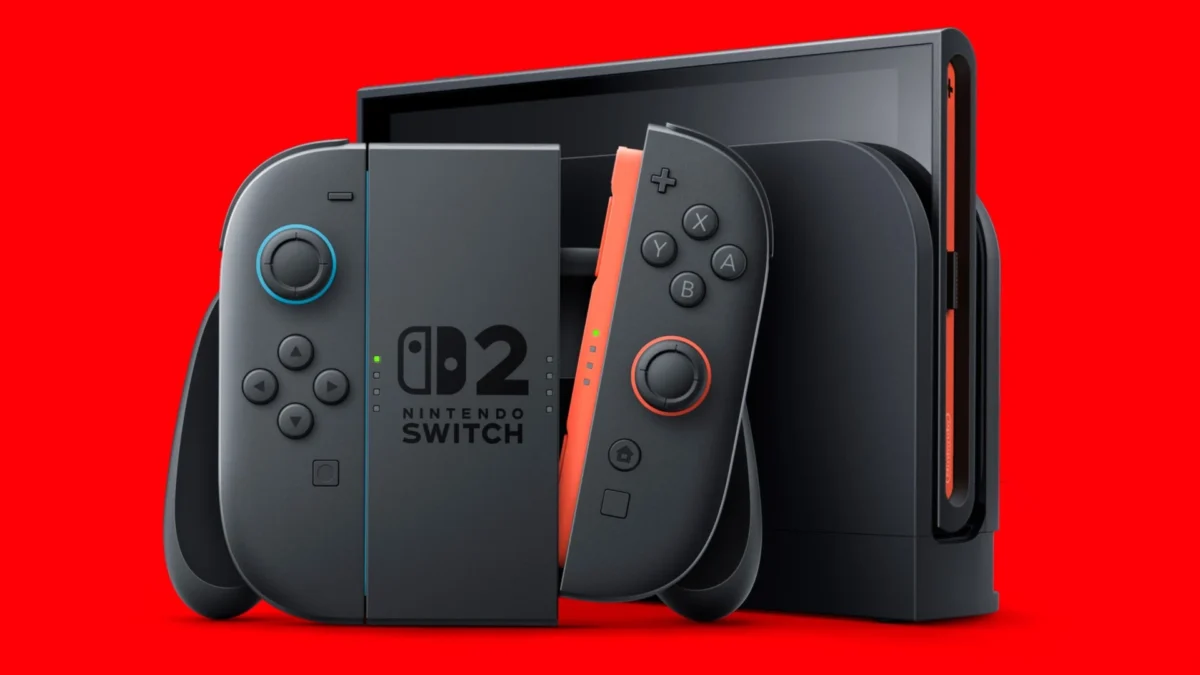
The debate over graphical horsepower is officially over, and the weakest hardware won. When Nintendo reported that the Switch reached 155.37 million units sold as of December 31, 2025, they did more than break their own internal records. They proved that the traditional console arms race is a massive waste of capital. For two decades, Sony and Microsoft have bled money developing cutting-edge silicon to chase photorealism, while Nintendo built a tablet with a mobile processor from 2015 and outsold them both. The legacy of Nintendo hardware is defined by its massive shifts in strategy, moving from raw power to pure convenience. This astronomical sales figure is not just a victory lap for the Switch. It is a permanent indictment of how the rest of the industry designs and sells video game hardware.
The real story hidden beneath this 155.37 million milestone is the complete decoupling of hardware capability from market success. The Switch is objectively underpowered. It struggles to maintain thirty frames per second in its own flagship titles. The controllers are notorious for hardware failures. Yet, the market simply does not care. One user commenting on the console’s legacy called it the “Best Worst Console Ever.” That label is strikingly accurate. Players forgive the fragile build quality and the frequent performance dips because the core value proposition is unmatched. The system provides immediate access to a first-party software library that cannot be played anywhere else, in a form factor that fits into a daily commute. As another player noted, “It was never designed to keep up with a PS5 in docked mode.” That lack of ambition to compete on Sony’s terms is exactly what secured Nintendo’s absolute dominance of the hardware market.
What Was Nintendo’s Best Selling Console?
With this latest financial data, the Switch has officially claimed the crown as Nintendo’s best-selling console of all time. It has eclipsed the phenomenal success of both the Nintendo DS and the Wii, placing it in direct historical conversation with the PlayStation 2. This milestone marks the culmination of a massive strategic pivot that began two decades ago. Older players often look back at the early 2000s and point out that “The Gamecube has incredible graphics” compared to its direct competitors. They are right. Nintendo used to fight on the frontline of the hardware wars. The Gamecube was a technical powerhouse, but it sold a dismal 21 million units while the weaker PlayStation 2 surpassed 155 million. Nintendo learned a brutal lesson during that generation. They realised that chasing graphical parity alienates casual players and drives up manufacturing costs without guaranteeing software sales. From the Wii onward, they stopped fighting the silicon war and started fighting for lifestyle integration.
This shift has completely reshaped the economics of game development. Having an install base of 155.37 million users changes how software is funded and sold. When your potential audience is larger than the population of most countries, you do not need to rely on aggressive discounts to move units. Nintendo still charges full price for games released in the launch window of 2017. Because the hardware puts a hard ceiling on graphical fidelity, Nintendo avoids the bloated, hundred-million-dollar budgets that are currently suffocating their rivals. They can produce a Mario or Zelda title for a fraction of what it costs to build a modern Sony exclusive, yet they sell those games at the same premium price point. Sony’s Refusal to Port Single-Player Games to PC Is Pure Survival highlights this exact dilemma. Sony requires astronomical sales just to break even on their massive production budgets. Nintendo prints profit because their limited hardware forces a strict cap on development costs.
The Danger of the Next Generation
Hardware enthusiasts argue that Nintendo must deliver a massive graphical leap for their next system to maintain third-party support. The prevailing theory suggests that if the Switch successor cannot run modern multi-platform titles, publishers will abandon the ecosystem entirely, leaving Nintendo isolated. This perspective ignores the actual purchasing data of the last twenty years. Look at the Dreamcast and the original Xbox. Both systems brought unprecedented raw power and robust third-party capabilities to the market, and both lost heavily to the PlayStation 2. Raw power does not secure developer loyalty; an active, spending install base does. Developers will always find a way to compress their games onto the platform where the buyers actually live.
Related: The Galactic Racer gamble and the Switch 2 shadow — third-party studios were already placing bets on Nintendo’s next console before it was even official.
If Nintendo builds a successor that prioritises graphical parity over affordability and battery life, they risk destroying the exact formula that won them the current generation. The Handheld PC Accessory Tax Is Getting Out of Hand, and pushing for portable performance introduces severe thermal and financial trade-offs. The market does not want a portable PlayStation 5. They want a reliable, accessible place to play Nintendo games. The massive success of the Switch is a financial blessing, but moving 155 million people to a new platform is a terrifying logistical challenge. The Wii U disaster happened precisely because Nintendo assumed a massive casual audience would automatically upgrade to slightly better hardware. They did not. The Switch won because it refused to play the same game as its rivals. Nintendo’s next move must be protecting that independence, rather than trying to impress people who measure gaming value in teraflops. Related: Nintendo Switch Online Adds Five Virtual Boy Classics for May.




Comments