
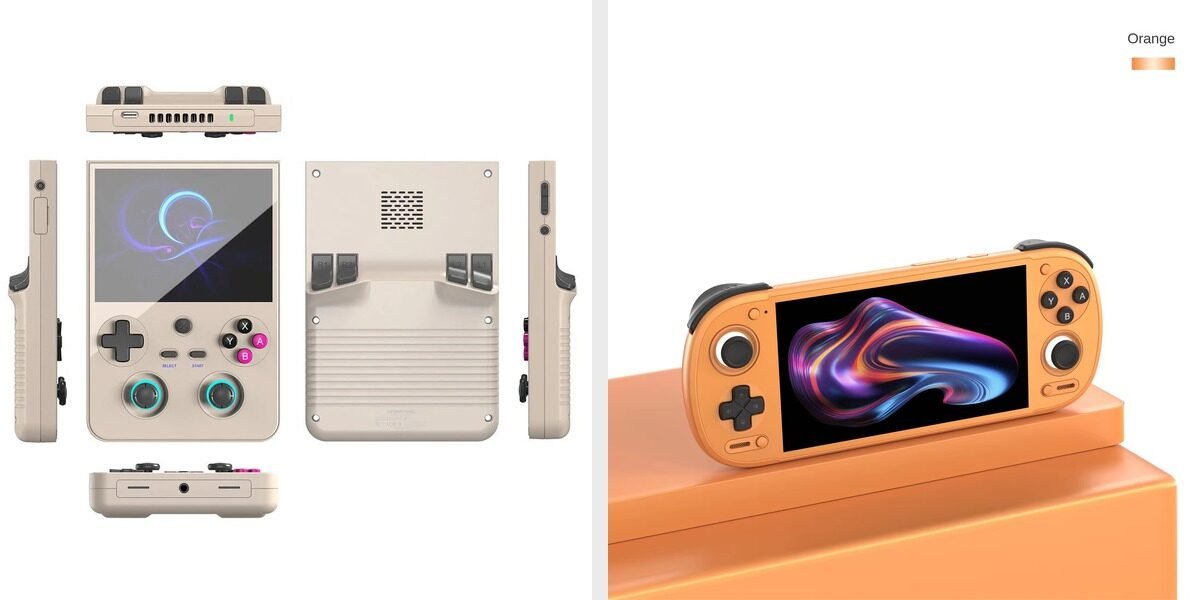
The most surprising reality of the mid-tier retro handheld market in 2026: the cheaper device actually carries the newer, more efficient processor. For $199, the Anbernic RG477V ships with a 4nm MediaTek Dimensity 8300 chip from late 2023. The Retroid Pocket 6, demanding a $250 entry price, relies on the older, albeit flagship-grade, Snapdragon 8 Gen 2.
Both devices are available now. Anbernic opened RG477V pre-orders on December 20, 2025 at $199, with units shipping from early 2026. The Retroid Pocket 6 launched in 2026 and is widely available. Neither is vaporware, neither requires a waitlist.
Both devices target the premium space with smooth 120Hz displays. They approach the high-end emulation tier from entirely different angles. This $51 price gap forces a choice: invest in Qualcomm’s raw GPU driver optimization and a gorgeous AMOLED panel, or save money and opt for a large vertical handheld with a custom 4:3 screen?
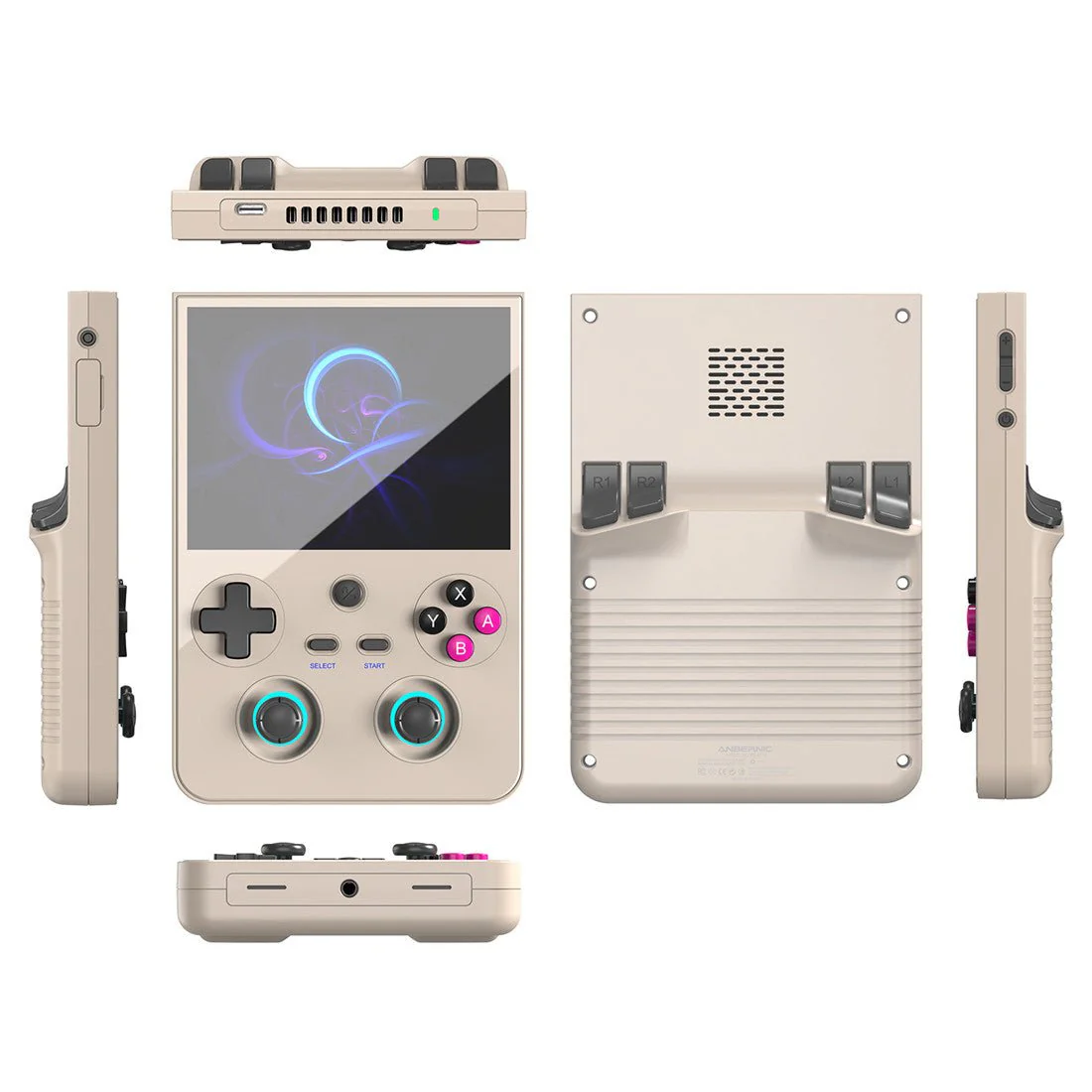
Figure 1: The vertical powerhouse Anbernic RG477V features a 4.7-inch 4:3 display.
Anbernic RG477V vs Retroid Pocket 6: Specification Breakdown
To understand where your money goes, we must look at the raw hardware. While both machines can handle high-end emulation, their internal architecture, display technologies, and physical layouts could not be more distinct.
| Feature | Anbernic RG477V | Retroid Pocket 6 |
|---|---|---|
| Chipset | MediaTek Dimensity 8300 (4nm) | Qualcomm Snapdragon 8 Gen 2 (4nm) |
| GPU | Mali-G615 MC6 | Adreno 740 (@ 680MHz) |
| RAM | 8GB or 12GB LPDDR5 | 8GB or 12GB LPDDR5X |
| Display | 4.7-inch LTPS In-Cell (1280×960, 4:3, 120Hz) | 120Hz AMOLED (22% larger, 69% higher resolution) |
| Battery | 5500mAh (Rated for 8 hours) | 6000mAh |
| Operating System | Android 14 | Android 13 |
| Form Factor | Vertical (Game Boy style) | Horizontal |
| Starting Price | $199 (8GB/128GB) | ~$250 (Base configuration) |
Dimensity 8300 vs Snapdragon 8 Gen 2: What It Means for Emulation
It is surprising to find that a $199 device ships with a newer chip than a $250 one. The MediaTek Dimensity
The Snapdragon 8 Gen 2 debuted in 2023, the same year as Tears of the Kingdom. This is not ancient history for a mobile chip. Still, a $199 vertical handheld from Anbernic now makes that 2023 flagship look surprisingly expensive.
Synthetic CPU benchmarks alone do not fully describe Android emulation performance. The Snapdragon 8 Gen 2 includes the Adreno 740 GPU. This GPU efficiently handles complex 3D rendering, a critical factor for demanding console emulation. For Switch and PS3 titles, the Adreno 740 processes complex graphical instructions and shaders more efficiently, resulting in smoother frame rates and significantly faster shader compilation. This directly impacts gameplay stability and visual fidelity in demanding emulated environments. The emulation scene shows a strong preference for Qualcomm silicon. Turnip drivers, custom open-source graphics drivers developed specifically for Adreno GPUs, enable the Retroid Pocket 6 to run high-end emulators with significant performance optimizations. The Mali-G615 GPU in the RG477V cannot access these drivers, limiting its capability for heavy Switch or PS3 emulation.
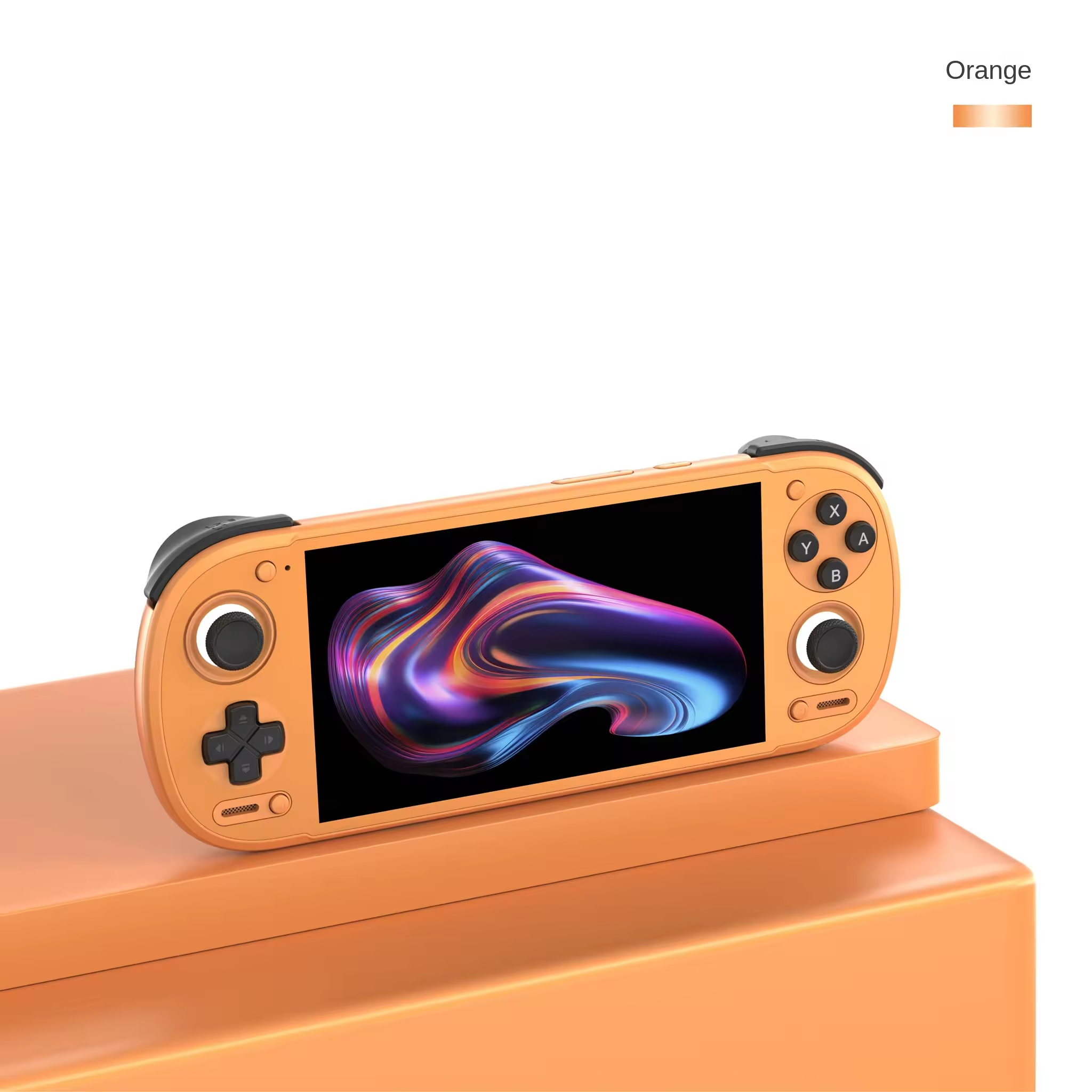
Figure 2: The Retroid Pocket 6 offers a premium horizontal layout with a high-resolution display.
AMOLED vs LTPS: What You Actually Notice
The screen is the primary physical justification for the price difference. Retroid equips its device with a gorgeous 120Hz AMOLED panel. Real-world testing puts the Retroid Pocket 6 at
In a dim room, the AMOLED difference is not subtle. Dark scenes in PS1 games, the kind with pitch-black corridors and pre-rendered shadows, look genuinely different on the RP6. The RG477V’s LTPS panel is sharp and bright, but lit blacks are lit blacks. If you play at night or in low light regularly, that gap is felt immediately. Independent reviewers consistently flag the display as one of the RP6’s clearest differentiators.
Anbernic countered this by utilizing a 4.7-inch LTPS In-Cell display with a 1280×960 resolution. While it lacks the infinite contrast of AMOLED, it is incredibly bright and sharp. Crucially, it uses a native 4:3 aspect ratio, which is the holy grail for retro systems. When playing PlayStation 1, Nintendo 64, or Dreamcast titles, the games fill the entire screen with absolutely zero black bars on the sides. The Retroid Pocket 6, while larger and higher resolution, uses a wider aspect ratio. This means you will have vertical black pillars on the sides of your classic games, reducing the actual active viewing area for older consoles.
Emulation Performance by Console Tier
To test how these hardware differences manifest in real-world play, I pushed both systems through various emulation tiers.
Holding the RG477V vertically, the weight distribution lands differently than most Android handhelds. The device sits heavier in your palms than the spec sheet prepares you for, Pick it up and that becomes clear immediately. The Hall joysticks are the standout tactile detail: zero center resistance creep, no drift, and a crisp, short throw that feels noticeably tighter than the average budget handheld. Flip to the RP6 and the landscape grip spreads that weight across both hands more evenly. It sits lighter overall, and the wider body means your thumbs travel slightly further to reach the face buttons on the right side.
Flawless Retro: PS1, N64, GBA, and SNES
For anything from the 16-bit era up to the early 3D generation, both of these handhelds are massive overkill. You can run these systems at maximum internal resolutions with heavy shaders, run-ahead frames to reduce latency, and fast-forward toggles mapped to your hotkeys without dipping below a locked 60 frames per second. For these systems, your choice comes down to form factor preference rather than performance.
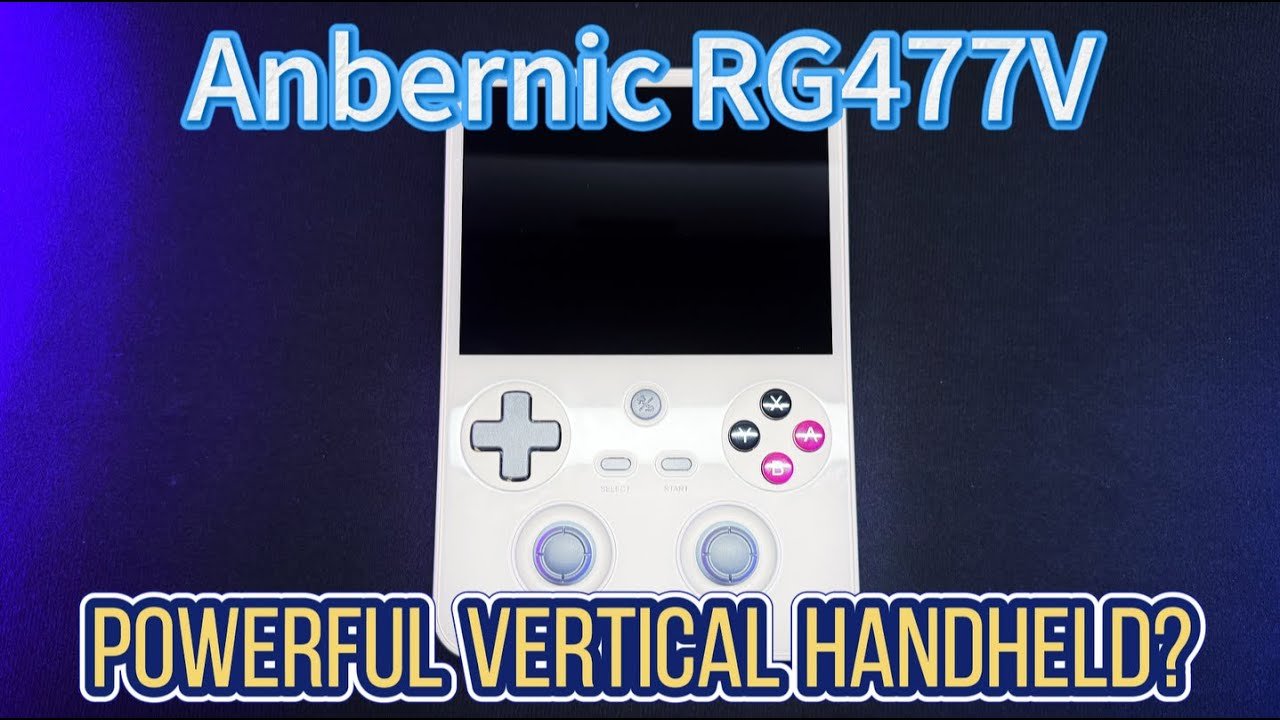
Figure 3: High-performance 4:3 emulation testing on the Anbernic RG477V.
The Sweet Spot: PS2, GameCube, and Wii
This is where the battle gets interesting. The Anbernic RG477V easily handles PlayStation 2 emulation at a 4x resolution scale, which looks incredibly sharp on its native 960p screen. GameCube and Wii titles run smoothly, with most games maintaining full speed without needing custom hacks. On the other side, the Retroid Pocket 6 handles these same systems with ease. While the performance is comparable, the Retroid Pocket 6 has a slight edge in demanding 3D scenes at higher resolutions due to its Adreno GPU. A common take in the community is: if you are looking for PS2, GameCube, Wii, and below, the RG477V is actually better in terms of screen ratio and price-to-performance, but the Retroid Pocket 6 pulls ahead if you want to push into modern systems.
The Ceiling: Nintendo Switch and PlayStation 3
When you step up to Nintendo Switch emulation, the gap widens significantly. The RG477V can run lighter 2D Switch games and some 3D titles, but the lack of custom Turnip drivers for the Mali GPU means you will encounter graphical glitches, thermal throttling, and stuttering in heavier games. The Retroid Pocket 6, armed with the Snapdragon 8 Gen 2 and Adreno 740, handles Switch emulation much more consistently. It is a night-and-day difference for 3D titles. PlayStation 3 emulation is also surprisingly viable on the Retroid Pocket 6 for a selection of lighter titles, whereas the RG477V struggles to maintain playable framerates on the same software.
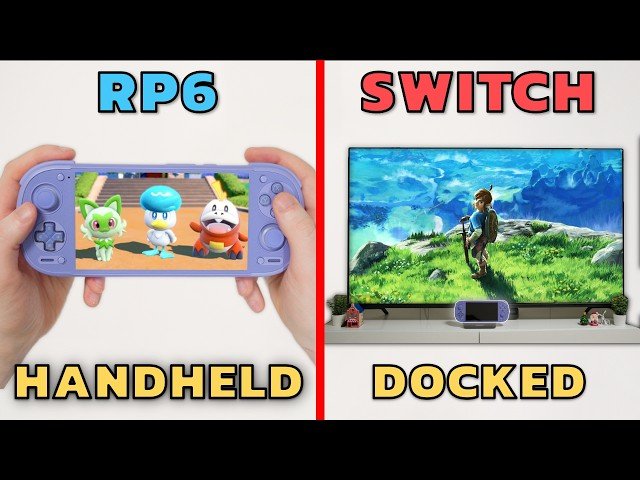
Figure 4: The Retroid Pocket 6 leverages its Adreno 740 GPU for demanding widescreen emulation.
Best Games to Play on Each Device
Both handhelds cover the same retro library up through PS2 and GameCube without issues. Where they diverge is in the upper tiers. Here is where each device genuinely shines:
| System | Best on RG477V | Best on Retroid Pocket 6 |
|---|---|---|
| GBA / SNES / NES | Pokemon FireRed, Castlevania, Chrono Trigger | Same, identical experience on both |
| PS1 / N64 | Crash Bandicoot, Ocarina of Time, Final Fantasy VII | Same, both run flawlessly at full speed |
| PS2 | DBZ Budokai Tenkaichi 3, God of War, Shadow of the Colossus (4x scaling) | Gran Turismo 4, Kingdom Hearts II (higher resolution ceiling) |
| GameCube / Wii | Super Smash Bros Melee, Wind Waker, Metroid Prime | Twilight Princess, Mario Galaxy (more consistent frame rate) |
| Nintendo Switch | Stardew Valley, Hollow Knight, lighter indie titles run well | Tears of the Kingdom, Metroid Dread, Mario Kart 8 (locked 30fps) |
| PS3 | Limited, lighter titles only | Demon Souls, God of War III, The Last of Us (Adreno 740 advantage) |
Battery Life: 6000mAh vs 5500mAh
Does that 500mAh battery difference between these two handhelds truly matter? Honestly, in day-to-day use, you’ll barely notice it. When you’re pushing either device hard with demanding PS2 or Switch emulation, expect about four to five hours of playtime. That’s for both of them. Drop down to lighter retro systems, say 16-bit classics? You can easily stretch past eight hours of gameplay on either handheld. While the Retroid Pocket 6 does pack a 6000mAh battery compared to the RG477V’s 5500mAh cell, the RG477V’s 4nm Dimensity 8300 chip is incredibly efficient. That efficiency helps it stay competitive despite the slightly smaller capacity. So, don’t let the numbers fool you; battery life is a minor factor in your overall decision here.
Form Factor and Ergonomics: Vertical vs Horizontal
For those envisioning extended gaming sessions, especially with modern titles requiring precise dual analog input, the Retroid Pocket 6 stands out with its classic horizontal design. Its balanced weight distribution and thinner profile make it inherently more comfortable for prolonged play, a crucial factor when tackling twin-stick games. Early adopters frequently praise its build quality and overall feel, highlighting its practical advantages. This form factor also proves more accommodating for portability; it slips into a bag or a large pocket with greater ease than the thicker vertical chassis of its counterpart.
The Anbernic RG477V, however, offers a distinctly different experience, leaning heavily into nostalgia with its chunky, Game Boy-style vertical design. While it feels undeniably solid in hand, its substantial weight is a significant consideration. The RG477V is surprisingly hefty, and this density, combined with its vertical layout, can lead to wrist fatigue during several hours of play, unlike the more evenly balanced horizontal setups. As one Ayaneo user noted on Reddit when comparing form factors, “on the go, smaller horizontal devices are much easier to manage because they are thinner and lighter,” a sentiment that underscores the RG477V’s trade-offs in sheer portability and sustained comfort due to its thick vertical chassis.
Software and Connectivity: Android 14 vs Android 13
I appreciate when a device comes with the latest software, and Anbernic delivers here. The RG477V ships with Android 14, immediately giving you a leg up on modern OS features, security, and ensuring apps stay compatible for years to come. The interface feels clean right out of the box. Plus, the built-in launcher is a breeze to set up; you’re ready to jump into games almost instantly. For local streaming, you’ll find WiFi 6E inside. That means faster, more stable connections, especially if you’ve got a compatible router at home.
Now, don’t write off the Retroid Pocket 6 just because it’s on Android 13. While it might not have the absolute newest OS version, this system is still incredibly capable. Every major emulator I’ve thrown at it runs perfectly. Honestly, Retroid’s custom software setup wizard and game launcher are still some of the best around. They offer such a polished, user-friendly experience from the moment you power it on. You won’t find WiFi 6E here, but its standard WiFi 6 connection is more than sufficient for streaming games from your PC or console without a hitch. If you’re wondering how Retroid’s premium-tier hardware stacks up against even pricier options, our comparison of the Retroid Pocket 6 vs AYN Odin 3 dives deep. Or, for something super portable and budget-friendly for older systems, check out our breakdown
My Verdict
The choice between the Anbernic RG477V and the Retroid Pocket 6 ultimately comes down to your budget and your emulation goals. If you want a vertical powerhouse with a native 4:3 screen that excels at PlayStation 2 and GameCube emulation for under $200, the Anbernic RG477V is an incredible value. If Switch emulation or PS3 is on your list, the Retroid Pocket 6 is worth the $250 asking price.
Community reception has been strong for both. The RG477V generated strong early community reception, with the Hall joystick feel and 120Hz display at $199 drawing consistent praise. The RP6 earned a quieter, more considered response: fewer strong reactions, more consistent “this is the one to get” conclusions from people who tested both.
My pick is the Retroid Pocket 6, and I say that as someone who genuinely respects what Anbernic pulled off at $199. The AMOLED screen changes how games feel at night. The Hall joysticks on the RG477V are better, and the vertical grip suits a certain kind of gaming session. But the RP6 is the device I stop thinking about upgrading from, and that is worth the extra $51.

Comments