
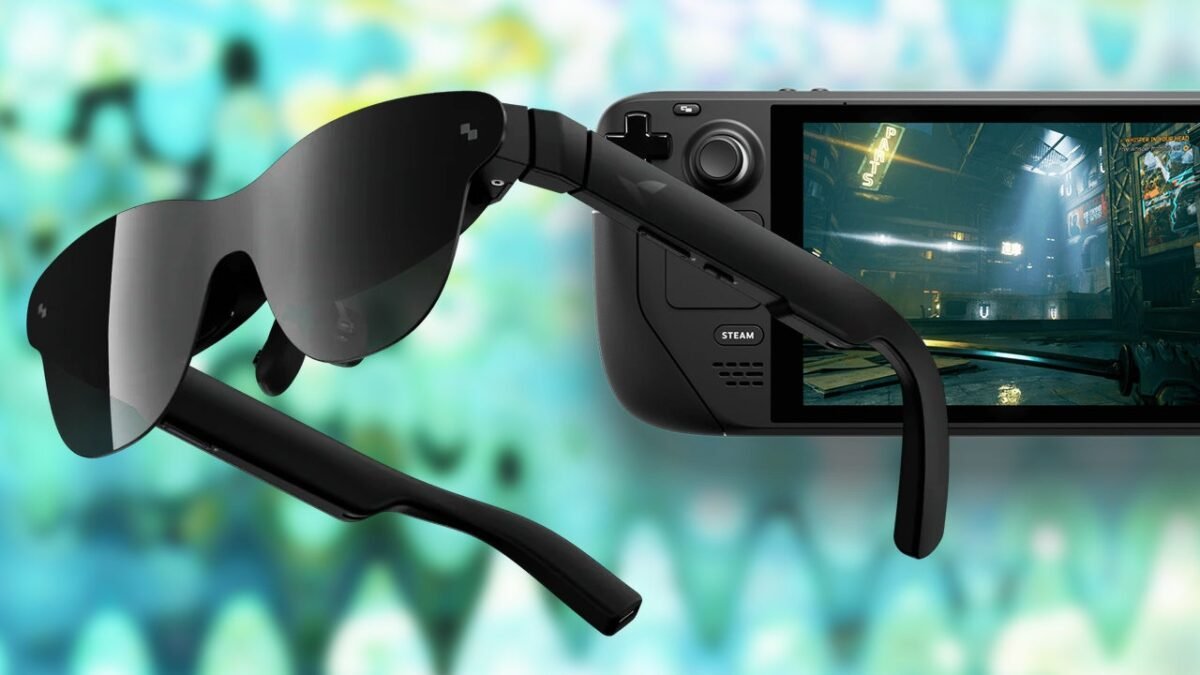
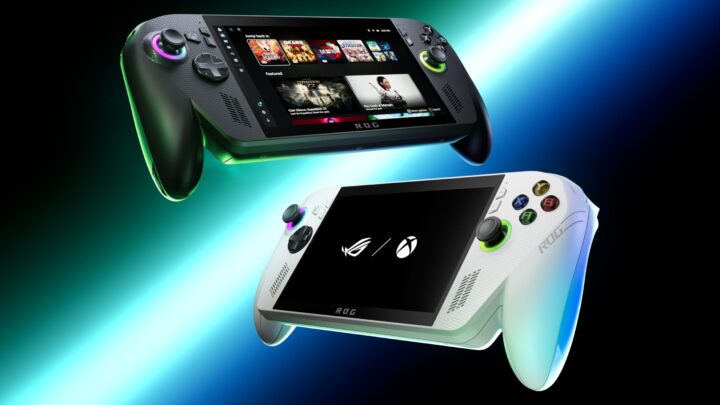
Portable PC gaming in June 2026 is an expensive illusion. A recent video roundup highlights the top five accessories designed to elevate devices like the Steam Deck, ROG Ally, and Legion Go. The list heavily features docking stations, power banks, storage upgrades, and thumb grips. The narrative surrounding these products presents them as exciting bonuses that enhance your play sessions. The financial reality is much harsher. These items are not optional enhancements. They are mandatory hardware patches designed to fix structural deficiencies that manufacturers chose to ignore to keep initial retail prices artificially low.
When I spend $500 to $700 on a piece of premium hardware, I expect it to function comfortably out of the box. That is rarely the case in the current portable market. Manufacturers are engaged in a fierce price war, attempting to entice buyers with competitive entry points. To achieve those price tags, essential comfort and usability features are stripped out and pushed into the secondary market. The accessory ecosystem is booming because the base hardware ships incomplete.
Consider the physical design of these devices. The flat, slippery thumbsticks on most PC handhelds fail to provide adequate friction during intense gameplay. Players immediately recognize this deficit upon taking the device out of the packaging. Searching through community forums reveals a consistent consensus regarding basic usability. As one player noted regarding their daily setup, “I think stick grips and screen protector are a MUST have.” This is a direct indictment of the manufacturing process. If a fifty-cent piece of textured rubber is required to maintain control during a game, it should be installed at the factory.
The storage situation is equally frustrating. Modern AAA titles easily exceed 100GB in file size. Yet manufacturers continue to sell base models with mere 256GB or 512GB drives. Recommending a high-capacity MicroSD card or an SSD replacement as a neat accessory ignores the core problem. Players are forced to spend an additional $80 to $150 just to hold more than three large games at a time. The base models exist primarily to advertise a lower starting price, shifting the true cost of adequate storage directly onto the consumer.
Then comes the battery problem. The marketing for the ROG Ally and Legion Go promises high-fidelity PC gaming on your daily commute. The battery specifications tell a vastly different story. Playing a demanding title often drains these devices in under ninety minutes. This makes high-capacity, 65W power banks an absolute necessity rather than a travel luxury. You are not buying an accessory to improve your experience. You are buying a heavy brick of lithium-ion cells just to reach the advertised baseline of portability. Without it, your high-end PC handheld is tethered to a wall outlet for the majority of its operational life.
Are Handheld Docks Actually Essential?
Yes, if you intend to use the device on a television or as a desktop replacement. Valve sells their official Steam Deck dock separately for $89. ASUS and Lenovo adopt similar strategies, requiring external hubs to push video to a larger screen. Third-party manufacturers fill the void with a chaotic assortment of dongles and hubs, forcing players to engineer their own connection arrays. One user detailed their required travel kit as a “right angle usb-c adaptor · thumb grips · usb-c dongle and long hdmi cable” just to replicate the basic functionality that Nintendo packed into the original Switch box back in 2017. If you are comparing Nintendo Switch 2 vs Steam Deck OLED, the inclusion of a dock in the Nintendo packaging is a massive financial advantage that PC handhelds completely ignore.
The situation worsens when users attempt to utilize the desktop modes on these devices. Navigating Windows 11 on a seven-inch touchscreen is a miserable task. To make the system viable for actual computing tasks or strategy games that demand precision, you need external inputs. The built-in controls simply cannot replicate a desktop environment. Another player described their solution: “I really like the official travel case Best Buy recommends, coupled with a Bluetooth mouse and the Targus folding Bluetooth keyboard” to complete the package. This transforms a sleek handheld into a cumbersome bag of disjointed parts.
This fragmented approach to hardware limits the appeal of the platform. SteamOS vs Windows Handhelds debates often focus on software stability, but the hardware tax applies equally to both ecosystems. You are buying a screen and a processor. Everything else required to make the experience comfortable, long-lasting, and versatile is sold separately. The framing of these items as exciting add-ons is a brilliant marketing pivot by the industry. It convinces players that spending an extra $200 on docks, grips, and batteries is a personal customization choice rather than a mandatory fee to finish building the console.
The initial purchase price of a handheld PC is merely a down payment. The true cost is hidden in the accessory aisle, distributed across Amazon carts and third-party retailers. Until hardware manufacturers stop treating essential components like television output and thumb stick friction as premium add-ons, consumers need to budget for the reality of the market. A $500 handheld is actually a $700 investment, and the companies building them are counting on you ignoring that math until the box is already open.

Comments