
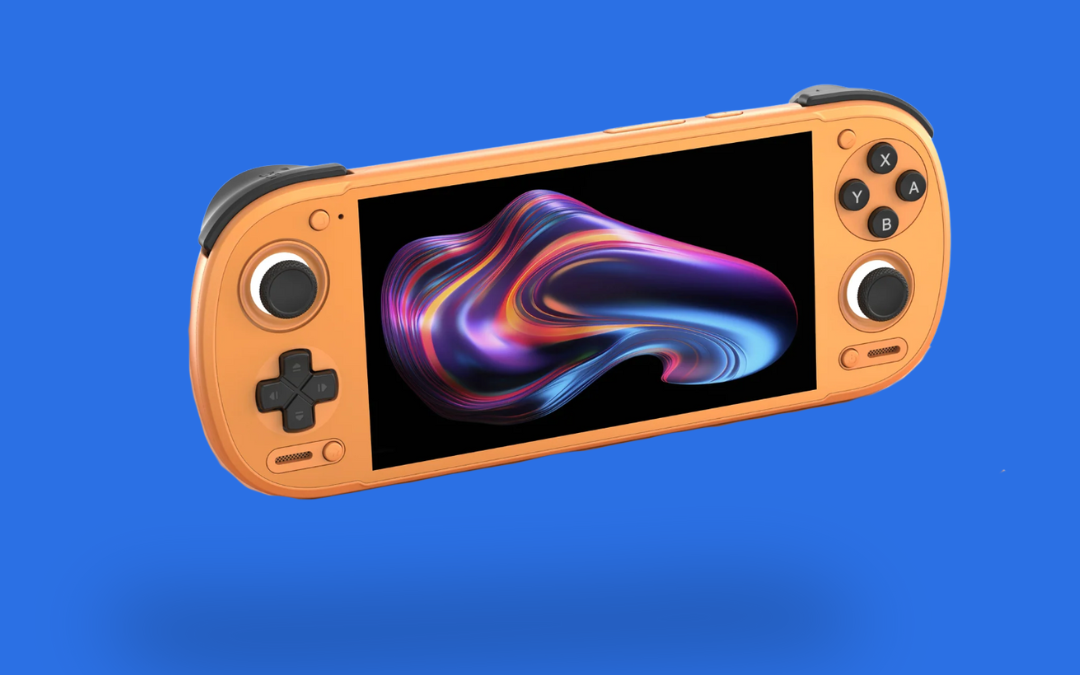
The retro handheld market in 2026 is a completely different beast than it was even twelve months ago. We have officially moved past the era of paying two hundred dollars just to get a stable frame rate on PlayStation 2 games, and the sub-one-hundred-dollar bracket is no longer a graveyard of creaky plastic and washed-out screens. The arrival of the Snapdragon-powered Mangmi Air X completely rewrote the expectations for budget silicon, while the Retroid Pocket 6 basically ended the debate over which mid-tier device deserves your space on the nightstand.
If you are trying to buy a handheld right now, the sheer volume of options on AliExpress and official storefronts is paralyzing. You do not need to scroll through endless spec sheets comparing minor revisions of the same quad-core processor.
Cheap Retro Power That Actually Feels Good to Hold
Fifty bucks used to buy you a plastic brick loaded with sketchy NES ROMs that would die if you sneezed on it. Now, that same fifty bucks buys a highly capable Linux-based pocket rocket that eats everything up to PS1 for breakfast.
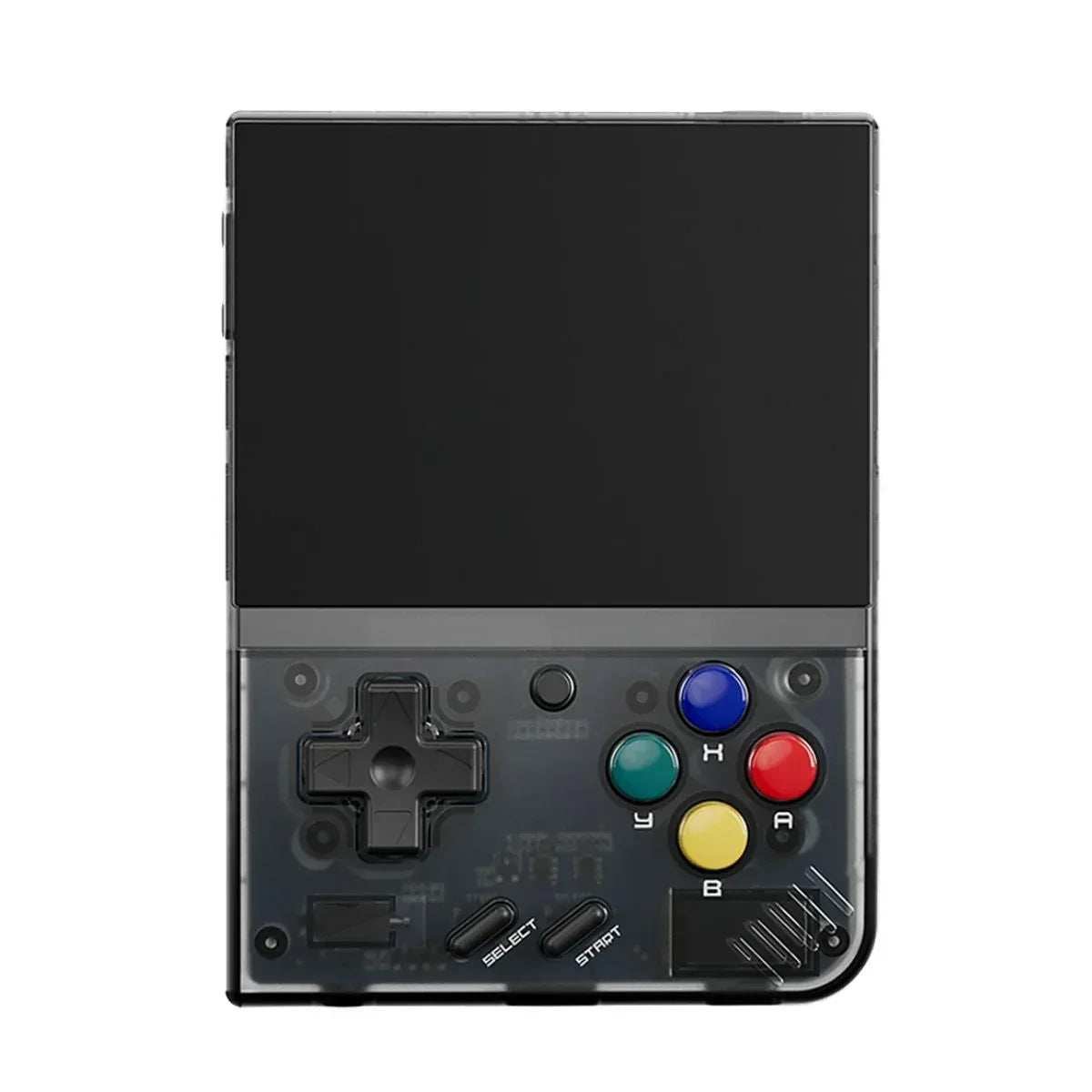
Take the Miyoo Mini Plus. You can regularly grab this vertical micro-machine for around $44, and it runs a dual-core Cortex-A7 processor at 1.2GHz with a 2.8-inch screen. The battery life is the real star here, pushing nearly 18 hours on a single charge because the hardware draws so little power. It is the ultimate pocket companion, which is why the folks on r/SBCGaming still lose their minds over it, with one user declaring that the “Miyoo Mini+ is the best handheld ever made” for pure on-the-go convenience. Just do not expect to play it for three hours straight without your fingers locking up like crab claws if you have adult-sized hands. It is a commuter device, not a couch marathon machine. One spec to watch at this price point is memory. Budget devices have been quietly stepping down from 2GB of RAM to 512MB, and we broke down why retro handheld RAM keeps shrinking.
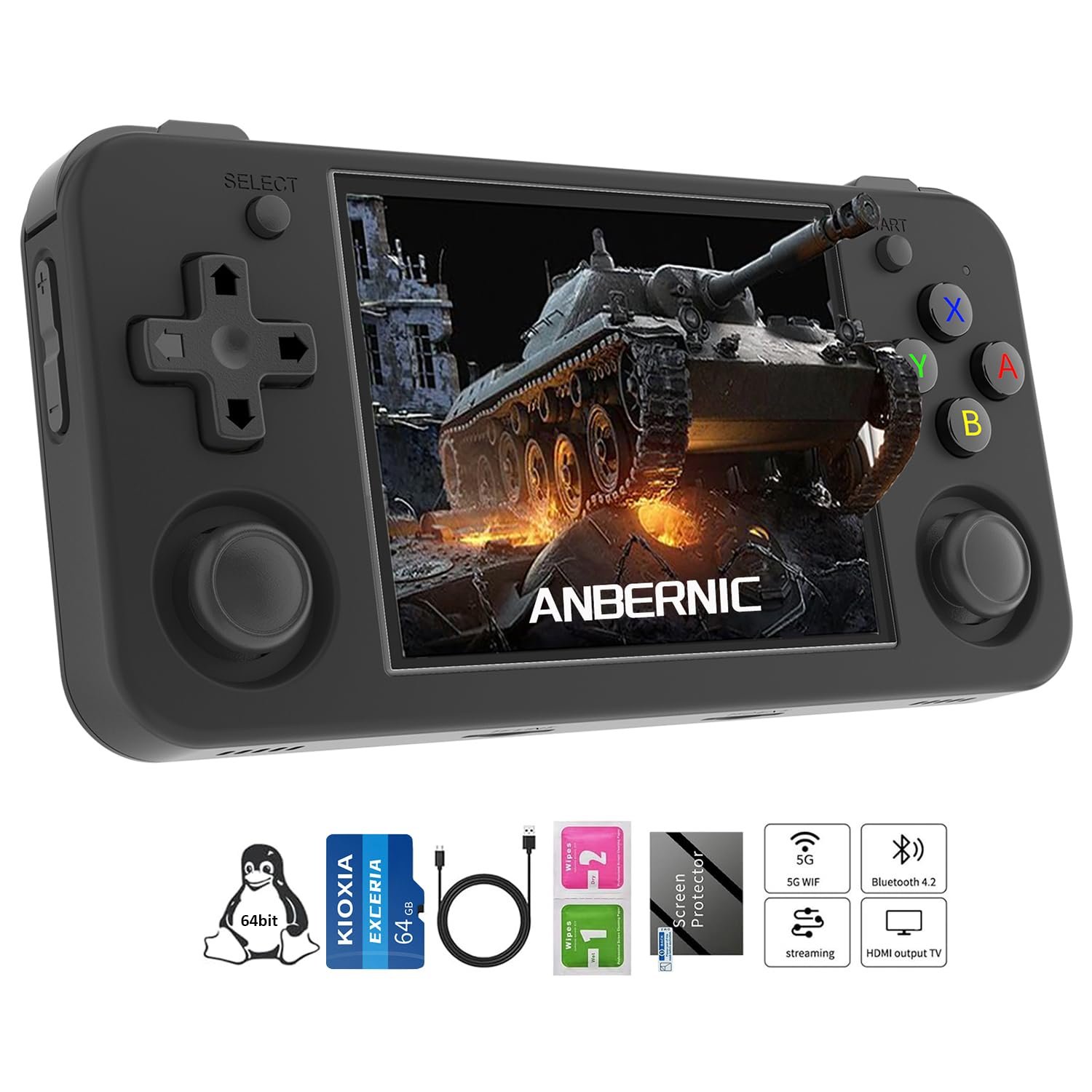
If you want to play for hours without hand cramps, go horizontal. The Anbernic RG35XX H is the best entry-level horizontal handheld on the market, normally priced at $67.99 but easily found for $55.19 on sale directly at anbernic.com. It features a 3.5-inch IPS display and a comfortable layout that mimics a classic controller. It runs on a custom Linux build and has enough horsepower to run retro titles up through the PlayStation Portable catalog, though heavy PSP games will require some frame skipping.
One quick warning before you buy the RG35XX H: bin the packed-in MicroSD card immediately. Anbernic still ships these with incredibly cheap, unbranded storage cards that are prone to corrupting your save files within the first week. Budget an extra ten dollars for a reliable SanDisk or Samsung card the moment you hit buy.
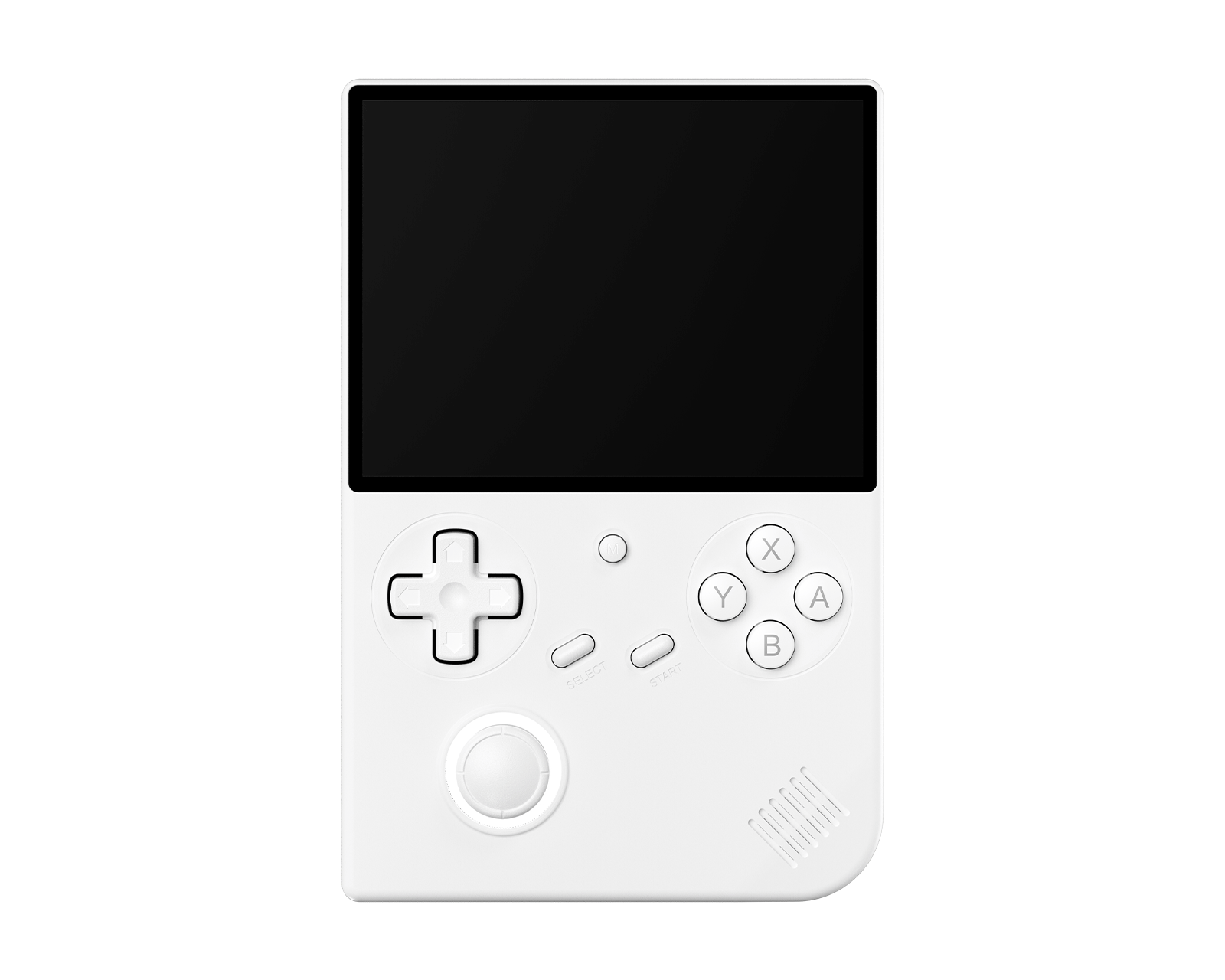
For the vertical purists who want that chunky, original Game Boy feel without the hand cramps, the Anbernic RG40XXV is a massive win. Currently on sale for $62.66 down from its regular $67.99 price at anbernic.com, this device bumps the screen size up to a gorgeous 4.0-inch display. It runs a 64-bit Linux OS backed by a dual-core G31 MP2 GPU and comes with 64GB of storage out of the box.
The community reaction to this form factor has been incredibly warm. Over on r/ANBERNIC, one user summed it up perfectly: “The 40XXV is my king of the Anbernic XX devices. Bigger screen, Gameboy-sized vertical, and an amazing D-pad.” It feels premium, the buttons have the perfect amount of travel, and the larger screen makes text-heavy SNES role-playing games actually readable. Just keep in mind that the single analog stick at the bottom is mostly decorative, as this device is built from the ground up for d-pad gaming.
The Mid-Range Battleground: Clamshells and Android Power
Moving up to the $80 to $100 price range introduces a massive jump in build quality and operating system complexity. This is where we see the division between simple, Linux-based pick-up-and-play devices and fully-featured Android portables that require a bit of setup but offer way more performance.
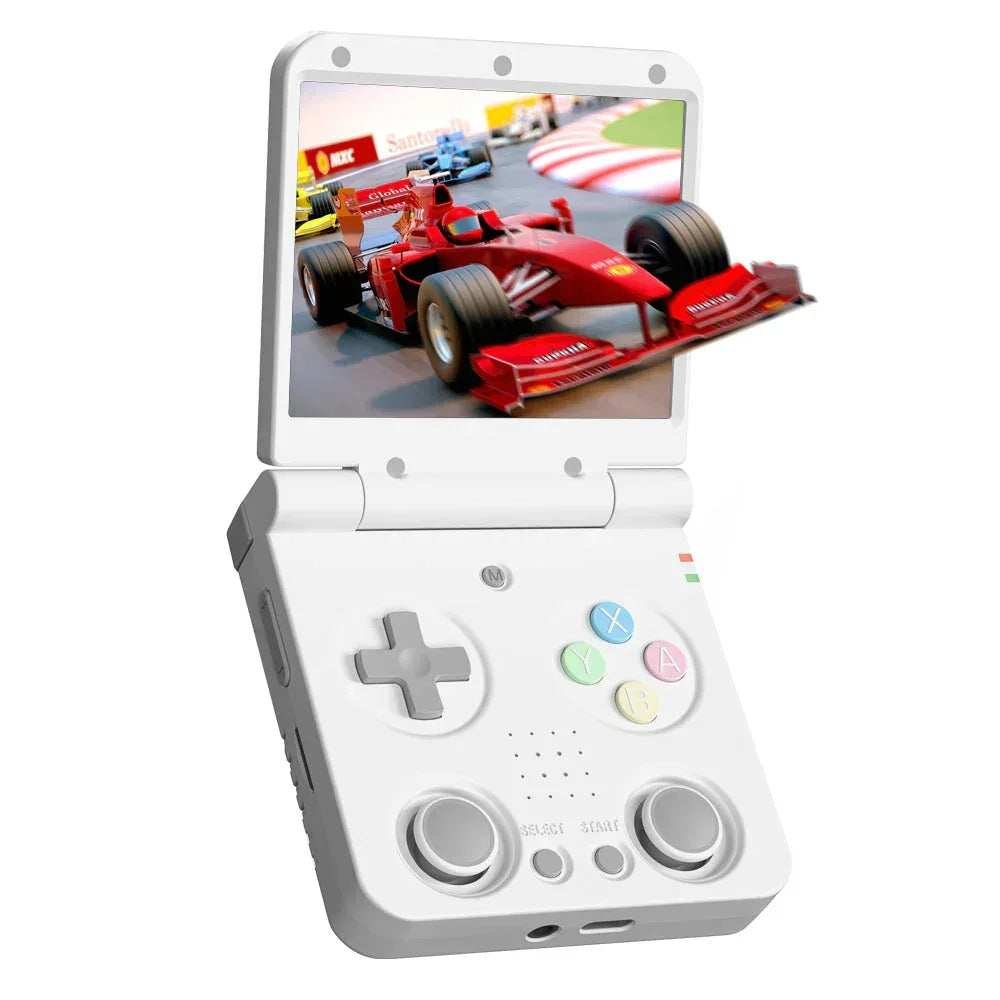
The Miyoo Flip V2 lands at $89.99 at lomiyoo.com, and it is the device that clamshell fans have been begging for. It features an RK3566 processor, 1GB of RAM, and a bright 3.5-inch 640×480 IPS panel. The big news here is the physical design. The original version of this handheld gained a nasty reputation for hinges that would crack if you looked at them wrong. Miyoo completely redesigned the hinge mechanism for the V2, adding metal reinforcement that makes it feel incredibly sturdy. It is easily the best travel companion on the list because the screen is completely protected when closed.
Performance-wise, the Flip V2 handles PS1 and N64 beautifully, but do not buy this expecting a flawless PSP experience. The RK3566 chip simply does not have the legs for high-end PlayStation Portable emulation, and the 4:3 screen ratio means widescreen PSP games look tiny. If you are debating between a vertical giant and a folding pocket machine, you should check out our deep Miyoo Flip V2 vs RG40XXV comparison to see which form factor fits your daily commute better.
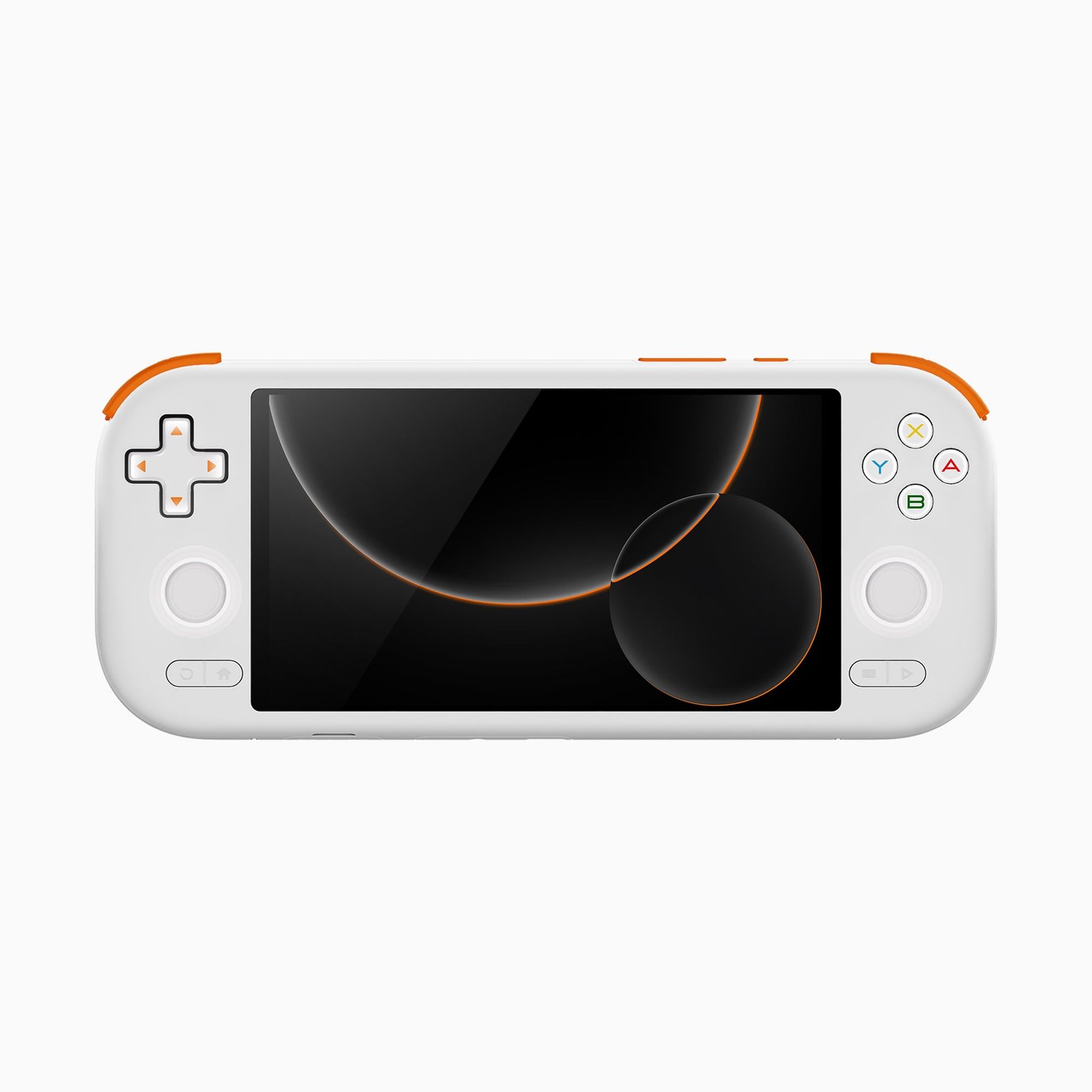
Then we have the Mangmi Air X for $89.99 at mangmi.com. On paper, this thing looks like an absolute steal. It packs a Snapdragon 662 processor, 4GB of RAM, 64GB of storage, and a massive 5.5-inch 1080p IPS display running Android. The build quality is shocking for under a hundred bucks, and the screen is gorgeous. It absolutely flies through PS1, N64, and Dreamcast games.
But there is a massive caveat here, and it has caused a lot of anger in the community. The Snapdragon 662 chokes on GameCube and PS2 emulation. Despite what some over-optimistic YouTube reviewers claimed at launch, you are not getting a portable GameCube for ninety dollars. As one realistic poster on r/SBCGaming pointed out, “Anyone who sold you on the Mangmi Air X as a GameCube machine was setting you up for disappointment.” You can get very light GameCube and PS2 titles running if you install GammaOS and tweak the settings to death, but it is a frustrating experience. Buy the Air X for high-end 2D games, PSP, and Dreamcast, not for sixth-generation console emulation.
Comparing the Contenders
To help you visualize where these devices land in relation to each other, here is a quick breakdown of the hardware, prices, and optimal use cases for the best handhelds available right now.
| Device | Price | Processor | Screen | Best For |
|---|---|---|---|---|
| Miyoo Mini Plus | ~$44 | Cortex-A7 1.2GHz | 2.8-inch IPS | Ultra-portable 2D classics |
| Anbernic RG35XX H | $55.19 | H700 Quad-core | 3.5-inch IPS | First retro handheld, comfortable grip |
| Anbernic RG40XXV | $62.66 | H700 Quad-core | 4.0-inch IPS | Game Boy nostalgia, great D-pad |
| Miyoo Flip V2 | ~$89.99 | RK3566 1.8GHz | 3.5-inch IPS | Pocket protection, clamshell design |
| Mangmi Air X | $89.99 | Snapdragon 662 | 5.5-inch 1080p IPS | Dreamcast, PSP, and Android apps |
| Retroid Pocket 6 | $219 | Snapdragon 8 Gen 2 | 5.5-inch 120Hz AMOLED | Flawless PS2, GameCube, Switch light |
| AYN Odin 3 | ~$299 | Snapdragon 8 Gen 2 | 6.0-inch IPS | High refresh rate Android gaming |
Premium Powerhouses: Flawless Sixth-Gen Emulation
When you cross the $200 threshold, you are no longer compromising. These devices do not just run PlayStation 2 and GameCube; they upscale them to high definitions, support modern Android gaming, and can even tackle lighter Nintendo Switch emulation. This is where the real enthusiast hardware lives.
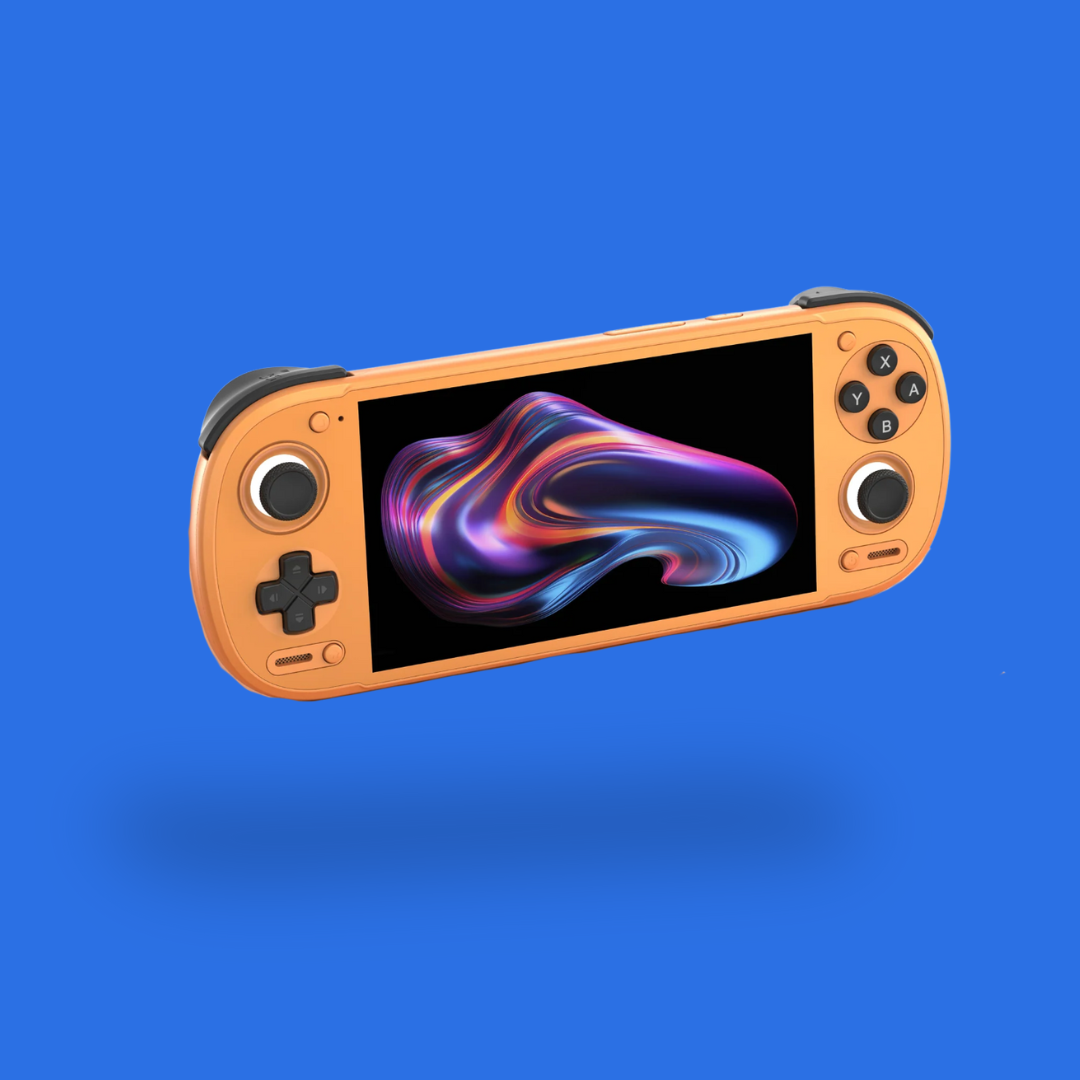
The absolute king of the hill right now is the Retroid Pocket 6, starting at $219 at goretroid.com. Under the hood is a Snapdragon 8 Gen 2 processor driving a gorgeous 5.5-inch 120Hz AMOLED display pushing 550 nits of brightness. This screen is beautiful. The colors pop, the blacks are perfectly dark, and the 120Hz refresh rate makes modern Android games feel incredibly smooth. It runs the entire PS2 and GameCube library at 3x or 4x resolution with zero sweat. It has quickly become the community sweet spot because it offers flagship performance at a price that does not make your wallet cry.
What people get wrong about the Retroid Pocket 6 is its size. Because it packs so much power, it requires active cooling. There is a small fan inside, and while it is quiet, the device is thicker and heavier than the older pocket-friendly Retroid models. It is highly portable, but you are not slipping this into your skinny jeans without looking ridiculous.
If you want to spend even more, you will find the AYN Odin 3 sitting in the $299 to $339 range. It runs on the same Snapdragon 8 Gen 2 chip but features a larger chassis, a bigger battery, and a slightly larger screen. If you are trying to decide between these two heavyweights, you should read our full RP6 vs AYN Odin 3 breakdown to see if the extra cost is justified for your playstyle.
The argument for the Odin 3 is simple. As one user on r/OdinHandheld put it, “I would go for the Odin 3. Especially if you want to achieve 120FPS with your android games. Plus the battery size is quite bigger than the RP6.” If your goal is playing native Android ports like Genshin Impact or heavy indie titles for hours on end, the massive battery on the Odin 3 is worth the premium.
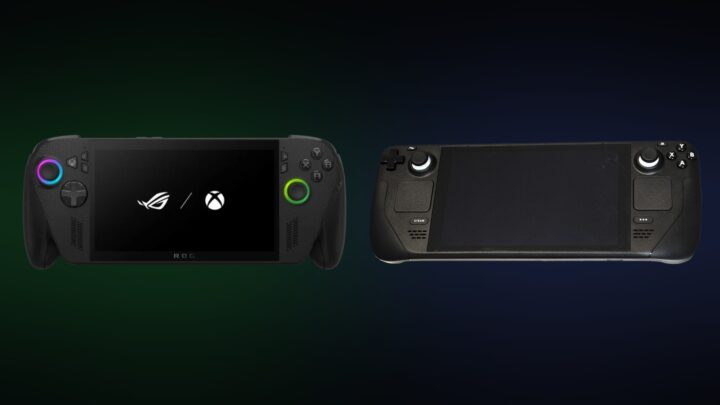
However, the Odin 3 has one massive design flaw that ruins it for retro purists. AYN placed the left thumbstick on top, pushing the D-pad down to the bottom left corner. This layout is great for modern 3D shooters, but it is absolute garbage for classic 2D platformers and fighting games. Your thumb will start hurting after ten minutes of playing Street Fighter or Super Mario World on that awkwardly placed D-pad. The Retroid Pocket 6 keeps the D-pad on top, making it the superior choice for actual retro gaming.
Of course, once you start looking at three hundred dollars, you are getting dangerously close to x86 handheld territory. If you are willing to carry a much larger bag, you might want to consider saving up a bit more. Check out our analysis of the Nintendo Switch 2 vs Steam Deck OLED to see if a full-fledged PC gaming handheld makes more sense for your budget.
But if you want a dedicated, lightweight retro machine that can live in your backpack without weighing you down, you do not need to spend three hundred dollars. For the vast majority of gamers, the decision comes down to two specific devices. If you want to play everything up to PS1 on a budget, buy the Anbernic RG40XXV for $62.66. If you want flawless PS2 and GameCube in a premium package with an incredible AMOLED screen, buy the Retroid Pocket 6 for $219.

Comments