
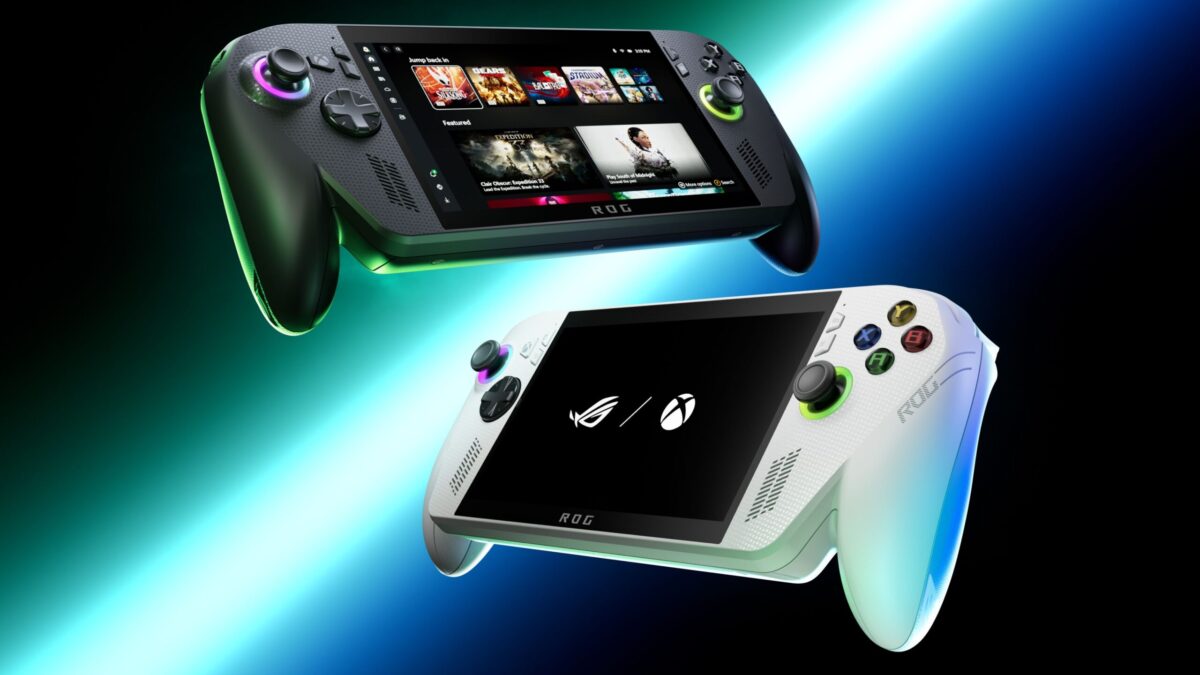

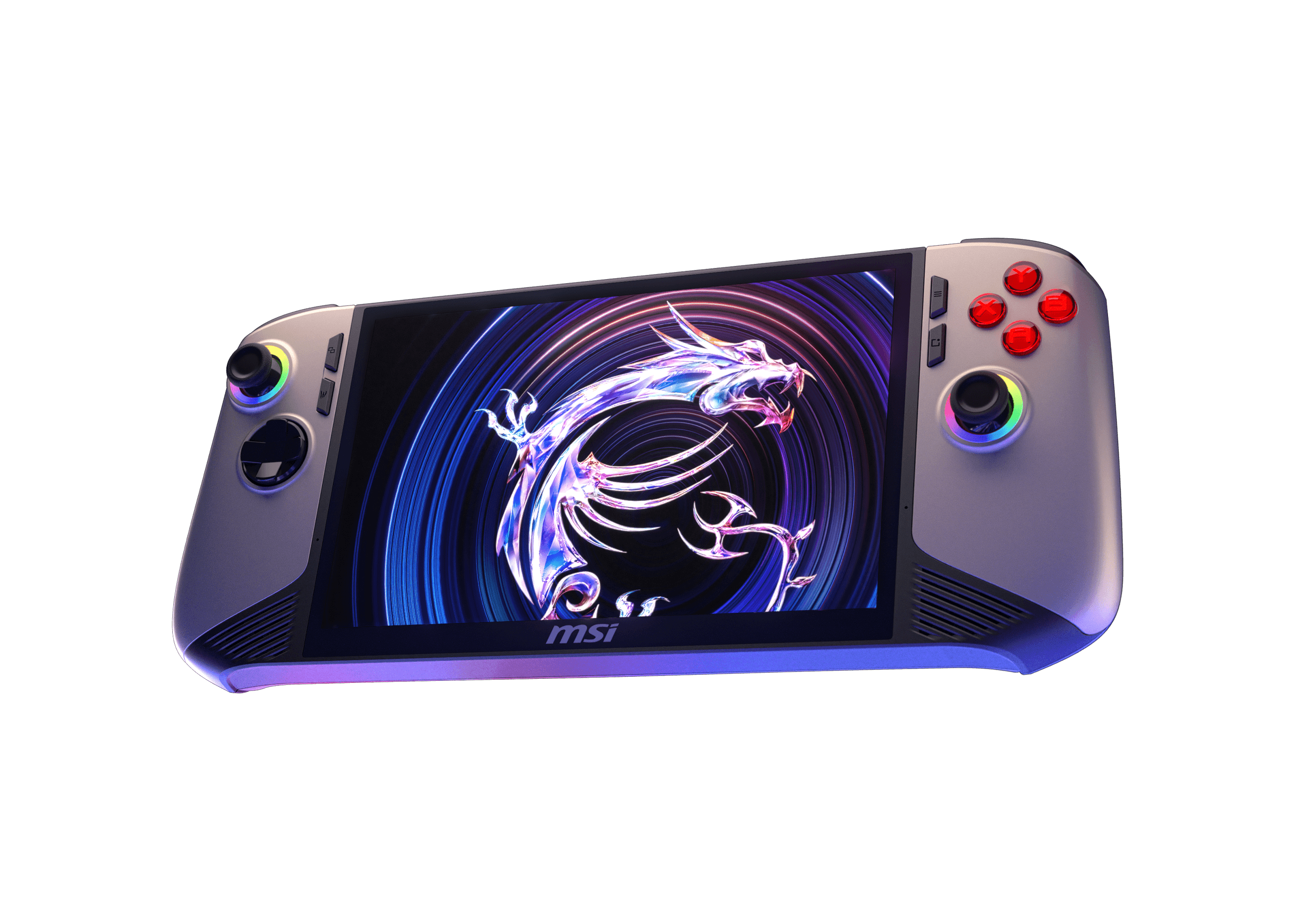
Two Windows 11 handhelds separated by three hundred dollars raise an obvious question: what does that extra money actually buy. The Asus ROG Xbox Ally X starts at $999.99 and the MSI Claw 8 AI+ at $1,299.99, and on paper these two machines look like twins separated by minor silicon choices. Both feature one terabyte of fast PCIe 4.0 storage and smooth 120Hz refresh rates. Both aim to dominate the premium tier of the portable PC market. Asus built around the AMD Ryzen AI Z2 Extreme processor, while MSI opted for the Intel Core Ultra 7 258V paired with 32GB of RAM.
Processor Architecture and Sustained Framerates
The Asus ROG Xbox Ally X runs the AMD Ryzen AI Z2 Extreme processor, while the MSI Claw 8 runs the Intel Core Ultra 7 258V. That processor choice is the core architectural difference between the two machines, and it shapes the rest of this comparison.
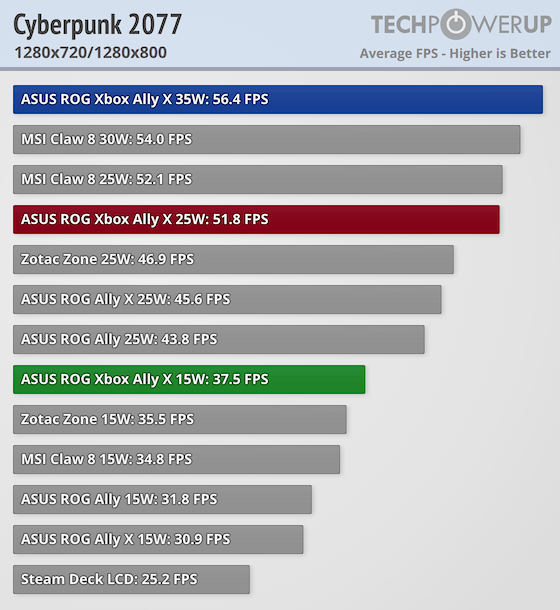
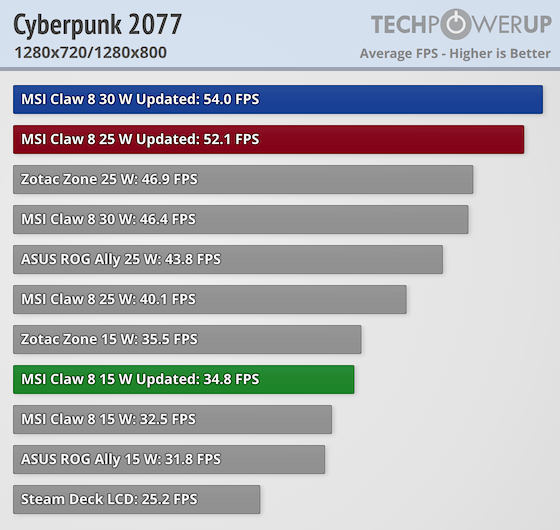
No independently sourced benchmark data on sustained thermal behavior or frame pacing for either chip was available for this comparison, so this article does not make specific throttling or frame-pacing claims about either device. Buyers who need that level of detail should check dedicated benchmark reviews before deciding between the two.
Memory capacity is the other headline spec difference. The MSI Claw 8 features 32GB of LPDDR5x RAM, while the Asus ROG Xbox Ally X utilizes 24GB of LPDDR5X. On a desktop system, that extra eight gigabytes provides a real advantage for multitasking and heavy rendering. On a handheld running games rather than professional workloads, that gap matters far less in practice, and the extra RAM is one of the line items behind MSI’s higher price. For a deeper look at industry shifts, see how PS5 and Xbox Series X Are Losing the War to PC Gaming.
7-Inch Versus 8-Inch Display Technology
Screen size remains the most visible differentiator between these two premium machines. Asus equipped the Asus ROG Xbox Ally X with a 7-inch LCD panel. MSI scaled up to an 8-inch display for the MSI Claw 8. Both screens operate at a 120Hz refresh rate, ensuring smooth motion clarity in fast-paced competitive titles. The physical footprint of a display dictates the entire chassis design of a handheld.
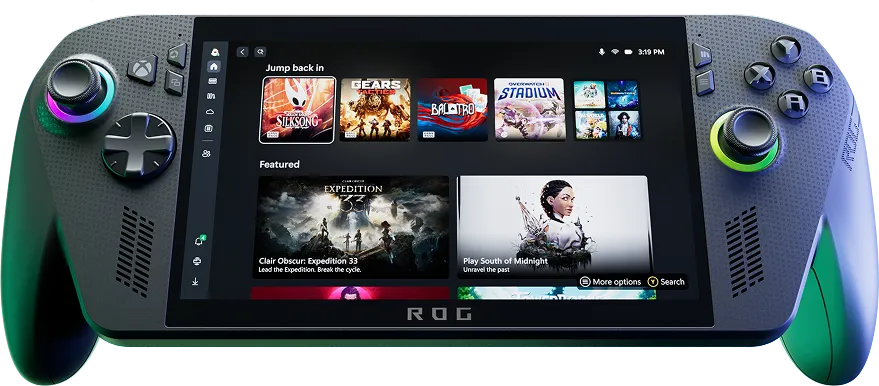
The 7-inch screen on the Asus device represents the current handheld industry standard for portability, balancing visual legibility with a compact chassis. Owner feedback on the panel’s color and black-level performance is covered in the What Owners Are Actually Saying section below, since specific display measurements were not available as sourced benchmark data for this comparison.

MSI’s decision to include an 8-inch screen changes how you interact with the device day to day. The extra diagonal inch provides a larger viewing area, and desktop-oriented Windows 11 interface elements are easier to read at that size than on the smaller Asus panel. Owner feedback on the Claw 8’s factory color calibration is covered in the What Owners Are Actually Saying section below.
Ergonomics, Cooling, and Build Quality
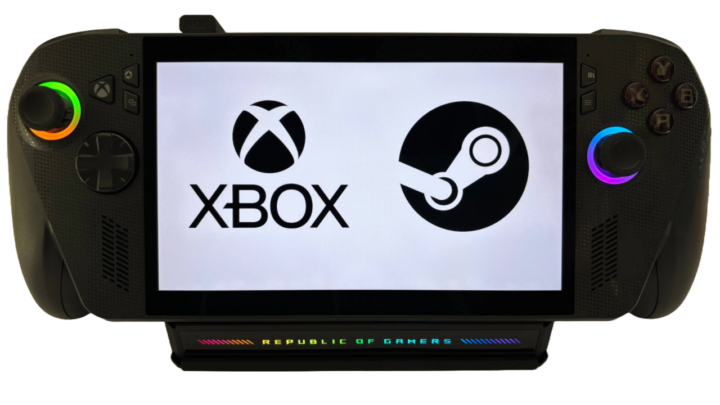
The Asus ROG Xbox Ally X features a refined chassis with controller-style grips. Asus thickened the grips compared to previous ROG Ally iterations, a change intended to let the device rest more naturally in the hands.

Independently sourced acoustic or thermal benchmark data for the Asus ROG Xbox Ally X‘s cooling system was not available for this comparison, so this article does not make specific noise-level or thermal-throttling claims about it. The face buttons offer a tactile response, and the shoulder triggers use a noticeably clicky switch, a texture some owners flag as rigid (see What Owners Are Actually Saying below).
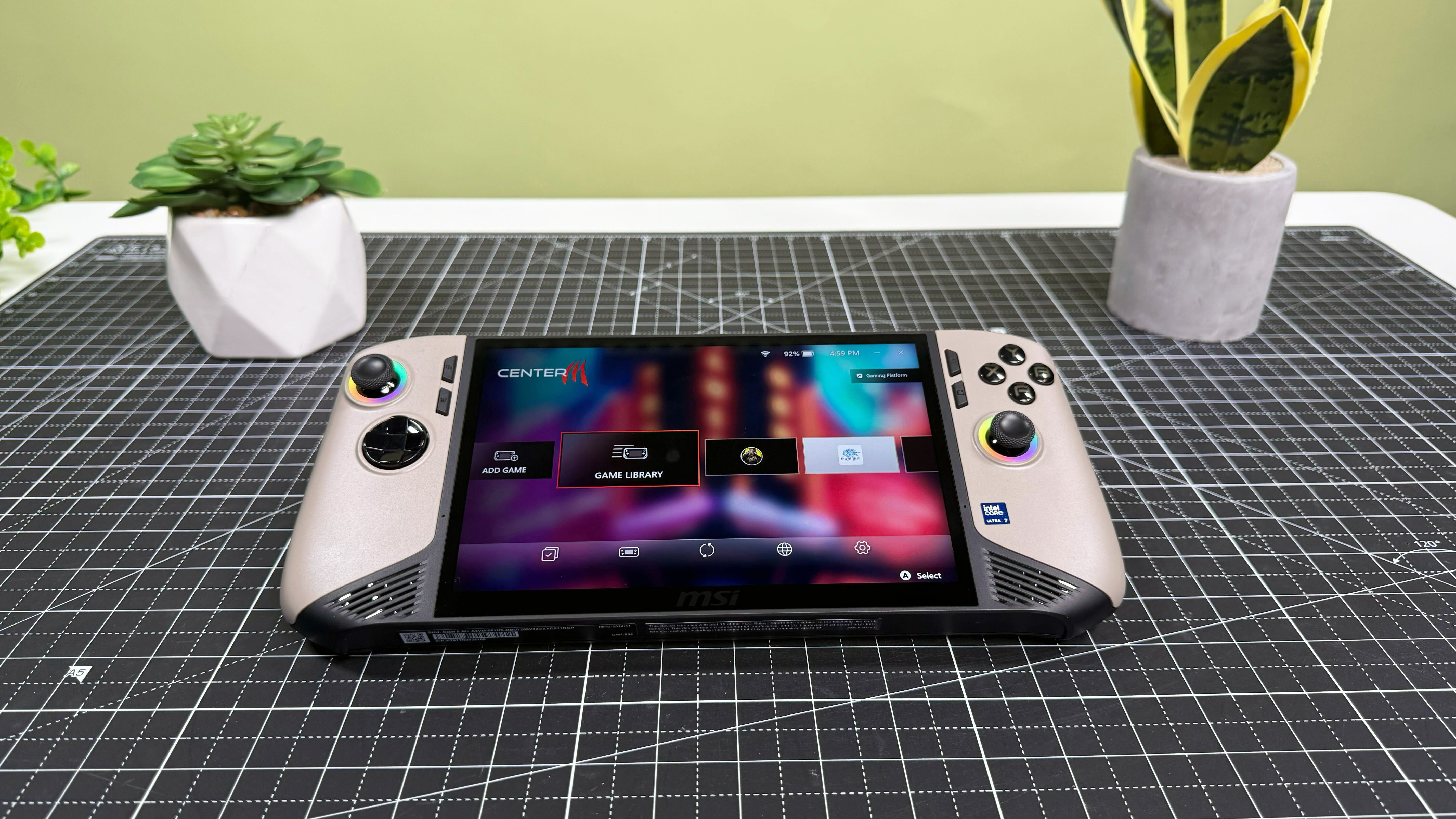
The MSI Claw 8 requires a larger chassis to accommodate its 8-inch screen and the cooling hardware for the Intel Core Ultra 7. The grips are larger and more heavily contoured than the Asus unit’s, which some owners with bigger hands report as more comfortable. Cooling noise complaints are covered in the What Owners Are Actually Saying section below, since specific acoustic measurements were not available as sourced data for this comparison. Read more on hardware trends in 2GB to 512MB: Why Retro Handheld RAM Keeps Shrinking.
Variants, Pricing & OS
The pricing structure defines the exact target audience for these two machines. Both devices ship with Windows 11 Home, requiring users to navigate a desktop operating system on a small touchscreen. Asus offers a highly optimized configuration at a competitive price. MSI demands a massive premium for its top-tier Intel integration.
| Device | SKU | Price | OS |
|---|---|---|---|
| Asus ROG Xbox Ally X | 6642253 | $999.99 | Windows 11 Home |
| MSI Claw 8 AI+ A2VM | A2VM-001US | $1,299.99 | Windows 11 Home |
The three-hundred-dollar price delta is impossible to ignore. MSI is asking buyers to pay a massive premium for an extra inch of screen space and 8GB of additional RAM. Asus delivers the core premium portable experience for just under a thousand dollars.
Hardware Specifications
The raw specifications highlight the differing philosophies of these two manufacturers. Asus relies on AMD efficiency, while MSI bets on Intel’s raw clock speeds and expanded memory capacity.
| Specification | Asus ROG Xbox Ally X | MSI Claw 8 |
|---|---|---|
| Processor (CPU) | AMD Ryzen™ AI Z2 Extreme | Intel® Core™ Ultra 7 258V |
| System Memory (RAM) | 24GB LPDDR5X | 32GB LPDDR5x |
| Internal Storage | 1TB PCIe 4.0 SSD | 1TB PCIe 4.0 SSD |
| Display Size | 7 inches | 8 inches |
| Refresh Rate | 120Hz | 120Hz |
| Operating System | Windows 11 Home | Windows 11 Home |
Official Comparison Videos
Observing these devices in motion provides vital context for their physical dimensions and interface designs. Manufacturers use these official videos to highlight the specific ergonomic improvements they have implemented.
What Owners Are Actually Saying
Asus ROG Xbox Ally X owners frequently praise the device for its exceptional battery longevity and smooth integration of the new Xbox user interface. A recurring complaint on Reddit points to the shoulder triggers feeling overly clicky and rigid. Some users feel the chassis is slightly bulky compared to a Nintendo Switch, though they appreciate the balanced weight distribution. Owners also note that the LCD panel produces incredibly deep black levels, and the built-in speakers deliver immersive, loud audio. The primary frustration for Asus buyers involves inconsistent wake and sleep functions within Windows.
MSI Claw 8 owners highlight the massive 8-inch screen and the sheer rasterization performance of the Intel processor. Reddit users frequently note that the device handles demanding titles with ease, though they admit the cooling fans run louder than the competition. The oversized grips receive high praise on ResetEra, with players stating the machine feels excellent in larger hands. However, multiple owners complain about the factory color calibration, calling the display heavily oversaturated and inaccurate. The price remains a point of intense debate. A vocal minority argues the $1,299.99 tag is justified for the massive amount of hardware packed inside, while others feel spending over a thousand dollars on a handheld is an inherently flawed proposition.
Market Performance and Hardware Sales
The financial data surrounding these handhelds highlights the niche nature of premium portable computing. Asus has established a massive footprint in this sector. The base model Asus ROG Ally reached 860,000 units sold globally by mid-2025. However, premium models like the Ally X only represented between five and ten percent of those total sales. This data proves that while the demand for handhelds is high, the willingness to pay a premium price drops off sharply above standard configurations. MSI is attempting to capture this small high-end demographic. Early retail listings indicated the MSI Claw series would start at $699.99 for a 512GB model and $799.99 for a 1TB version featuring an Intel Core Ultra 5 processor. The A2VM configuration tested here abandons that budget-friendly approach entirely, pushing the price to $1,299.99 for the top-tier Intel Core Ultra 7 silicon. This massive price jump isolates the MSI Claw 8 from mainstream consumers and forces it to compete exclusively for the smallest fraction of the enthusiast market.
Final Verdict
The Asus ROG Xbox Ally X is the winner of this hardware comparison on value. The $999.99 price tag delivers a comparable spec sheet to the MSI Claw 8 via the AMD Ryzen AI Z2 Extreme processor, without the three-hundred-dollar premium. MSI built an impressive machine, but charging $1,299.99 for a larger screen and more RAM that do not show up as a documented performance advantage is hard to justify. Asus’s smaller, cheaper package is the more efficient buy at this price point. If Valve’s handheld is your other option, our ROG Xbox Ally X vs Steam Deck OLED comparison covers that matchup.
Review Scores
| Device | Gameplay | Content | Performance | Value | Average |
|---|---|---|---|---|---|
| Asus ROG Xbox Ally X | 8 | 7 | 9 | 8 | 8.0 |
| MSI Claw 8 | 7 | 7 | 7 | 4 | 6.25 |


Comments