Microsoft Auto SR can boost performance by around 30 percent in several games when upscaling from 720p to 1080p, but the technology is arriving alongside a wave of industry backlash that is redefining how we look at machine learning on our screens. While hardware manufacturers plaster AI stickers on retail boxes, the actual software running on these devices has landed some of the biggest games of the year in deep water. We have reached a point where a major release like Clair Obscur: Expedition 33 can be stripped of its Indie Game Awards wins over the disclosed use of generative AI, showing that the community is drawing a hard line between useful system level performance tools and shortcut content creation.
The real issue is how we separate actual performance gains from the marketing noise. Buyers do not need to care about the abstract promise of silicon brain cells. They need to care about whether a game runs at a stable frame rate on a five hour flight without turning the device into a hand warmer. This matters more than any corporate pitch about smart assistants or neural processing units. The industry is currently split between using these new chips to brute-force poorly optimized games and using them to genuinely extend the lifespan of portable hardware. If you want to understand where your money is actually going, you have to look at the math of what is shipping right now.
What’s Actually Shipping Right Now
The silicon inside the latest batch of portable consoles has shifted toward dedicated neural hardware, even if the software pipeline is still catching up. The current state of portable AI hardware is defined by a few specific components and software development kits that are actively in the hands of developers and consumers today.
| Hardware / Software | Key Specifications & Capabilities | Primary Use Case |
|---|---|---|
| AMD Ryzen AI Z2 Extreme | NPU with up to 50 TOPS of AI compute, 8 CPU cores / 16 threads, RDNA 3.5 graphics (16 cores) | Powers 2026 Windows handhelds like the Lenovo Legion Go 2 and MSI Claw 8 AI+. Source |
| Microsoft Auto SR | OS-level AI upscaler running on the NPU inside the Ryzen Z2 Extreme chip | Runs OS-wide across a whitelist of games, improving performance by ~30% when upscaling 720p to 1080p. Source |
| Qualcomm Snapdragon Game AI SDK | Unreal Engine toolkit for building on-device, local AI features without cloud dependencies | Powers local AI NPCs, adaptive teammates, voice interactions, and real-time gameplay evaluation. Source |
These specifications show chipmakers actively trading traditional compute units for dedicated neural processing silicon to bypass the thermal limits of portable shells. The NPU handles image reconstruction, freeing the main graphics cores to run the game engine at lower, less demanding resolutions.
The Upscaling Battle: AI Reconstruction vs Raw Horsepower
To understand why this matters, we have to look at the difference between traditional upscaling and the newer NPU-driven methods. Older handhelds relied on spatial upscalers like standard FSR 2 or basic bilinear scaling. These methods look at the pixels of a single frame and try to stretch them to fit a higher resolution screen, often resulting in a muddy, shimmering image that looks like it was smeared with Vaseline. It is a brute-force approach that works on any hardware but offers very little intelligence in how it reconstructs fine detail.
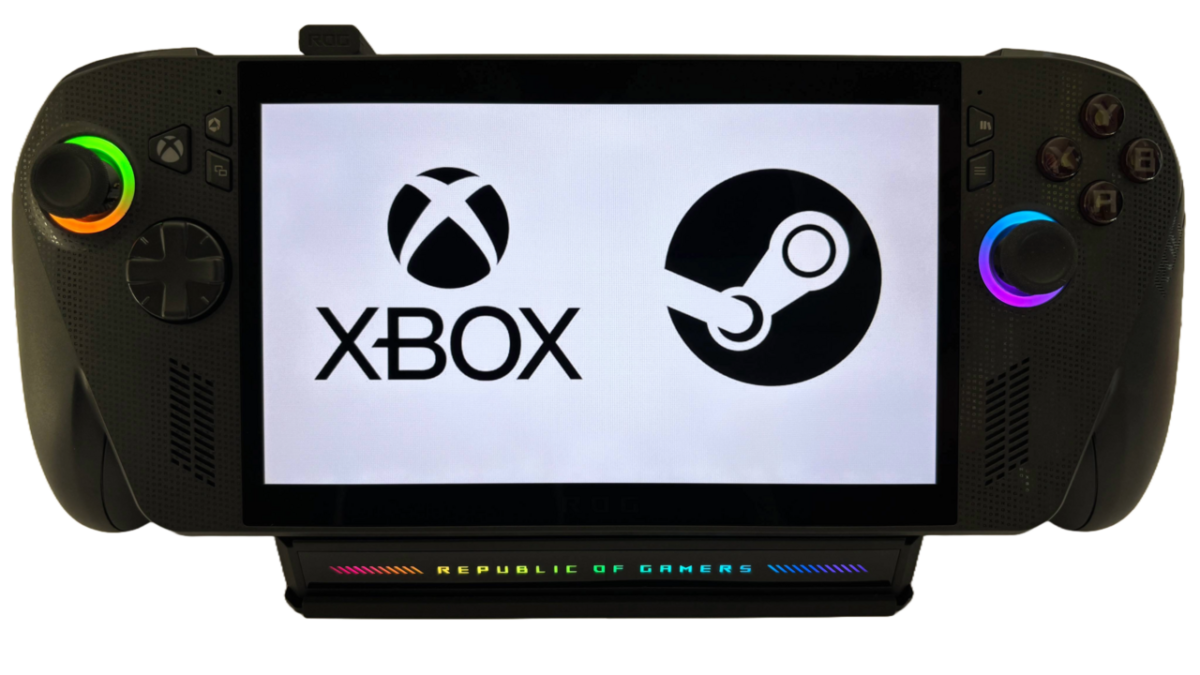
Microsoft Auto SR handles this differently by routing the upscaling workload through the NPU of the Ryzen AI Z2 Extreme. This feature is coming to the ROG Xbox Ally X in preview form in early 2026, marking a major milestone for Windows-based portable consoles. Running directly at the OS level, the feature does not require game developers to manually patch in support. It intercepts the 720p render pipeline and uses machine learning models to predict what the missing pixels should look like at 1080p, running across a curated whitelist of titles.
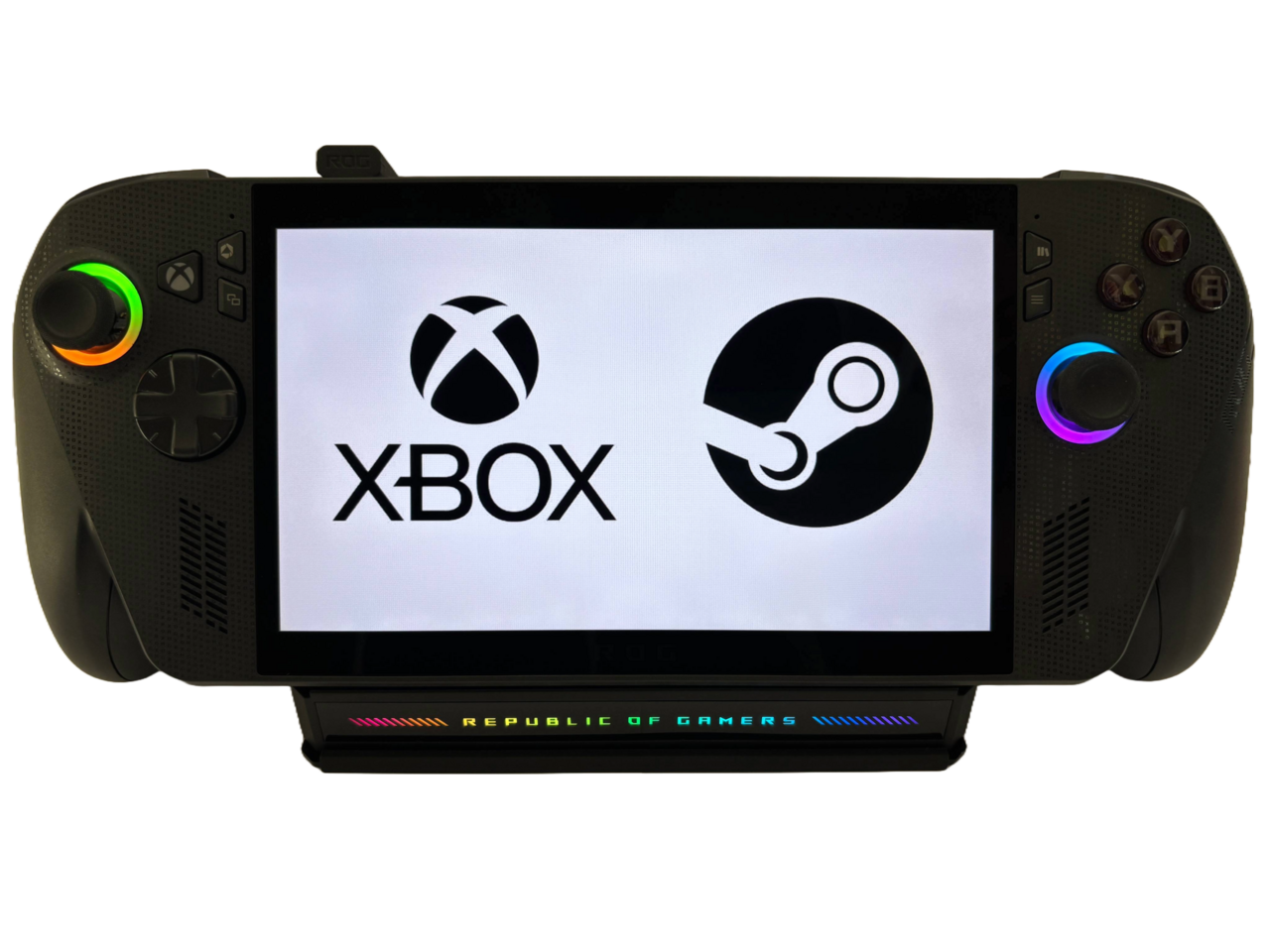
The results of this approach can be impressive. Testing has shown that the ROG Xbox Ally X can run DOOM: The Dark Ages at 1080p, maintaining a steady 70 FPS with ray tracing enabled when utilizing these hardware-assisted pipelines. This level of performance on a portable device would have been unthinkable a few generations ago when raw rasterization was the only path to high frame rates. For a deeper look at how these operating system differences impact your daily play, our guide on SteamOS vs Windows handhelds in 2026 breaks down the software ecosystem that makes these features possible.
However, Auto SR has a major architectural limitation when compared to Nvidia DLSS. It lacks motion-vector data. Because it runs at the operating system level without deep integration into the game engine, it cannot track how objects move from frame to frame. It has to guess based on static image analysis. This can lead to ghosting behind fast-moving characters or strange visual artifacts around user interface elements, which is why some players still prefer running games at native resolutions even if it means dropping the graphical presets to low.
The Developer Backlash and the Generative Divide
While hardware giants push these tools, the people actually making the hardware and software are far more cautious. There is a growing divide between companies trying to ride the hype wave and those focusing on build quality and pricing. Some manufacturers are deliberately stepping back from the marketing frenzy.
In an interview earlier this year, Mangmi, the hardware manufacturer behind the Air Y handheld, noted that AI features are a nice to have, not a dealbreaker. The company described a philosophy of deliberately resisting the industry hype cycle, choosing instead to prioritize physical value and form factor over expensive neural branding. Source. This sentiment was echoed at Dell’s CES 2026 briefing, which press members described as a pleasingly un-AI experience. Dell focused entirely on raw hardware specifications, thermal design, and screen quality rather than trying to pitch neural network features to skeptical journalists. Source.
This corporate hesitation is largely driven by how hostile the gaming community has become toward generative content. The controversy surrounding Clair Obscur: Expedition 33 is a prime example. The developers at Sandfall Interactive confirmed they used generative tools to create placeholder textures during early development. The studio director later stated that they tried the technology, did not like the results, felt it was ethically wrong, and ordered all of it removed before launch. Source. Despite their efforts, a few placeholder assets slipped through into the shipping build, resulting in the Indie Game Awards rescinding the game’s wins. This level of scrutiny shows that players are highly sensitive to how these tools are used behind the scenes.
We saw a similar community reaction with the release of Tony Hawk’s Pro Skater 3 + 4. The game shipped with generative assets used for several skateboard deck grip tape designs and in-game graffiti art. This sparked immediate backlash from the skating community, who viewed the use of automated image generators as a direct betrayal of the real-world skate culture and street art traditions that have defined the franchise since its inception. For players, this was not a harmless optimization. It was a dilution of the game’s artistic identity.
If you are looking to buy a new device in this complicated market, our ultimate guide to handheld PC gaming in 2026 offers a comprehensive look at which devices prioritize raw hardware value over marketing gimmicks.
When to Ignore the Hype
There are very specific scenarios where you should completely ignore the promise of neural processing units and upscaling algorithms. If your primary gaming library consists of older titles, emulation, or indie games that easily hit 60 frames per second at native resolution, paying a premium for a 50 TOPS NPU is a waste of money.
The technology falls apart when you look at the actual battery life of these devices under load. Despite marketing claims that dedicated NPUs would offload work and save power, community testing has shown that the Ryzen AI Z2 Extreme handhelds do not offer any meaningful battery life improvements over previous-generation chips like the Z1 Extreme. When you are drawing 15 to 25 watts of total system power on a plane, a minor efficiency gain in the upscaling pipeline is completely swallowed by the massive power draw of the screen, the cooling fans, and the main CPU cores.
Furthermore, the best version of this technology might not even make it to portable devices. AMD’s newer FSR 4, which uses true machine learning models trained specifically for game reconstruction, has not been confirmed for handhelds as of mid-2026. Source. Industry analysts suggest that the hardware constraints of portable APUs might prevent FSR 4 from ever running effectively on these machines. This leaves handheld users stuck with older, non-AI versions of FSR that produce highly visible artifacts and shimmering when reconstructing images from low starting resolutions like 540p or 720p. For many players, relying on these older upscalers feels like a temporary fix that covers up underpowered hardware rather than solving the underlying performance issues of modern game engines.
With hardware prices continuing to climb, as detailed in our Steam Deck price increase analysis, consumers need to be incredibly careful about paying extra for features that do not translate into real-world benefits on the go.
The Buying Decision
If you want to play demanding, modern releases like DOOM: The Dark Ages at high frame rates on a portable screen, investing in a device with an NPU that supports Microsoft Auto SR is a legitimate way to bypass the hardware limitations of portable silicon. The 30 percent performance bump is real, and it makes otherwise unplayable games run smoothly at 1080p.
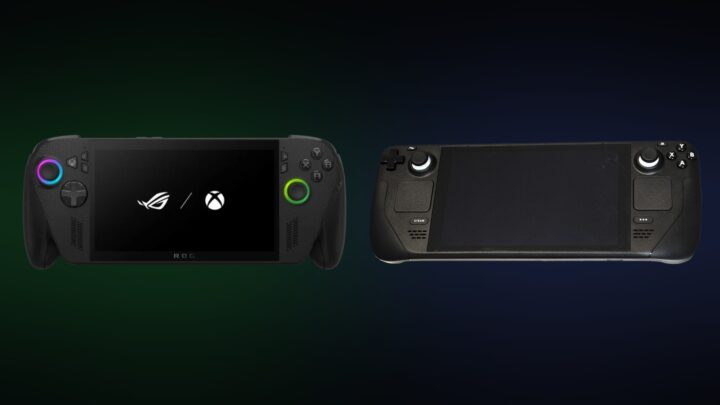
If you primarily play indie games, emulation, or well-optimized older titles, you should ignore the marketing entirely. Do not spend extra money on high-TOPS chips or devices that put AI logos on the box. Instead, look for hardware that offers better battery capacity, superior screen quality, and a lower retail price. You can find excellent deals on older, non-NPU devices like the original Steam Deck or the standard ROG Ally, which are frequently available at steep discounts.




Comments