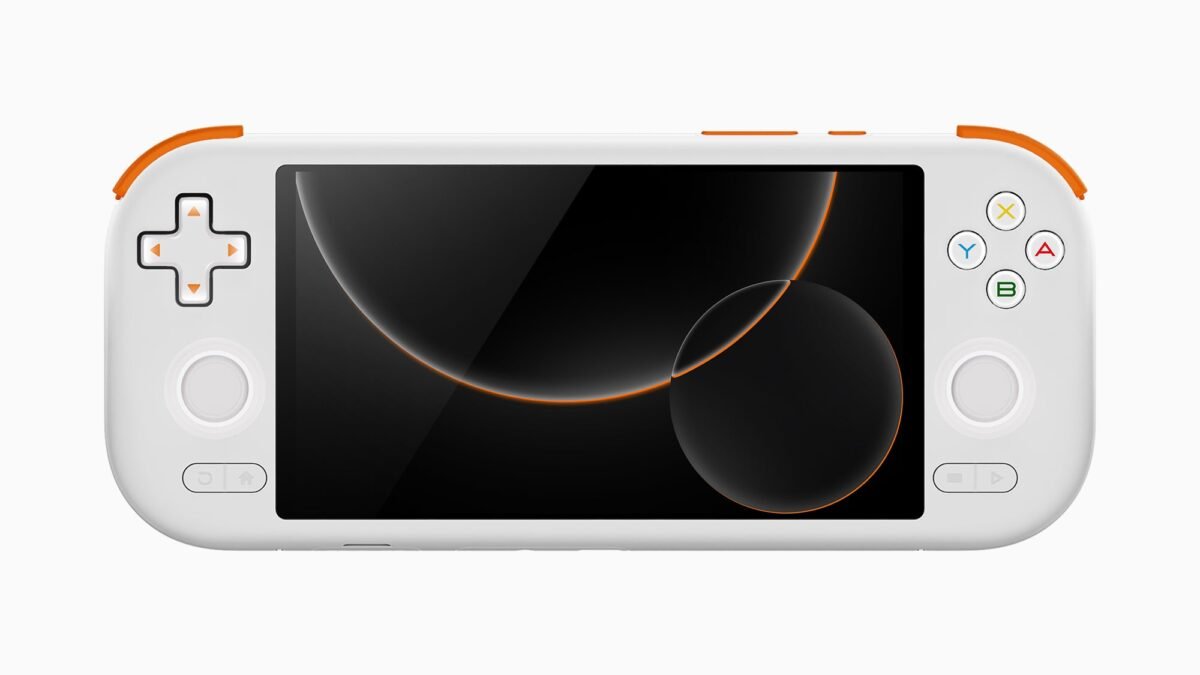
The sub-$100 retro handheld market has a new benchmark device, and it arrived at the end of 2025. The Mangmi Air X launched at $89.99 with a Snapdragon 662, 4GB RAM, 64GB storage, and a 5-inch 1080p IPS display; that combination of specs previously required spending $120 to $130. The community noticed, the first production run sold out within days, and the conversation about budget handhelds in 2026 now starts with the Air X rather than the Anbernic.
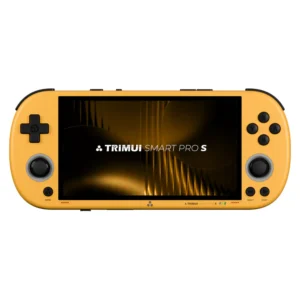
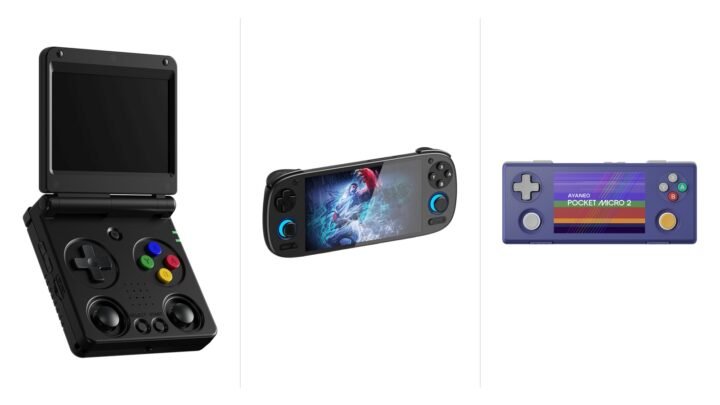
To understand what that means, you need to know the field it walked into. The Miyoo Mini Plus sits at $44 with an 18-hour battery and a 2.8-inch screen that fits in any pocket, making it the pocketability king of the 2D emulation era. The Anbernic RG35XX H runs at $60 on both Linux and Android, handles everything through PSP without extra configuration, and receives community firmware updates on a near-monthly basis. The TrimUI Smart Pro costs $55 and offers a horizontal GBA SP-style chassis backed by CrossMix OS, one of the most actively developed custom firmware projects in the budget space. Then there is the Retroid Pocket Classic at $149, which technically sits in a higher bracket but remains the most relevant ceiling comparison because of its AMOLED display and Helio G99 processor.
These are not variants of the same device at different prices. They run different operating systems, target different emulation tiers, and suit different hands. Buying the wrong one for your library is not a minor inconvenience; it means picking up a second device six months later and absorbing the cost of both. This article lays out what each device actually does, based on measured performance rather than spec sheet promises.
The budget handheld market in 2026 is healthier than it has ever been, driven largely by a sustained drop in ARM SoC component costs through Q4 2025. That price pressure is exactly why Mangmi could ship a Snapdragon 662 at $89.99 rather than the $109.99 the same chip would have commanded a year prior. Anbernic responded not with a hardware revision but by keeping the RG35XX H at $60 while expanding its firmware support, which was already its strongest selling point. Miyoo has not touched the Mini Plus price or specifications because its core audience does not want a larger or more powerful device. The market is stable and all of these manufacturers are still in it.
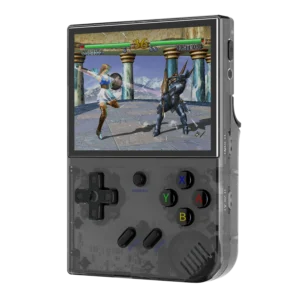
What changed in 2026 is the performance ceiling of the sub-$100 category. Before the Air X, the strongest processor available under $100 was the Allwinner H700, which posts approximately 42,000 on Antutu v10; that is enough for 16-bit systems and PS1, but it falls well short of PS2, Dreamcast, or consistent N64 playback. The Snapdragon 662 in the Mangmi Air X posts approximately 315,000 on Antutu v10, which is not a marginal improvement but rather two full emulation generations added to what a sub-$100 device can credibly run.
The display gap matters too, and it is less discussed than the raw performance numbers. Most devices in this bracket run 640×480 IPS panels at 3 to 3.5 inches, which is perfectly adequate for pixel art titles. The TrimUI Smart Pro is an exception at 1280×720 across 4.96 inches, and the Mangmi Air X goes further at 1920×1080 on a 5-inch panel. For SNES and GBA, the resolution difference makes no visible impact since you are integer-scaling a low-resolution source either way. For PSP at 4x upscaling or PS2 with texture enhancement, the 1080p panel is a genuine quality upgrade because the upscaled output fills the screen without nearest-neighbour artifacts degrading the image.
The Analysis
What Is the Best Budget Retro Handheld Under $100 in 2026?
The best budget retro handheld under $100 in 2026 is the Mangmi Air X for any buyer whose library includes PS2, Dreamcast, PSP at upscaled resolution, or N64 at a consistent 60fps. For buyers whose collections stop at PS1, the Miyoo Mini Plus at $44 or the Anbernic RG35XX H at $60 are the smarter purchases; you lose no emulation performance that matters to your use case, you gain battery life, and you keep the price difference for a larger storage card.
Full hardware comparison across all five devices:
| Device | Price | SoC | Antutu v10 | RAM | Display | OS |
|---|---|---|---|---|---|---|
| Mangmi Air X | $89.99 | Snapdragon 662 | ~315,000 | 4GB | 5″ 1080p IPS | Android 13 |
| Retroid Pocket Classic | $149 | Helio G99 | ~490,000 | 4GB | 4″ AMOLED | Android 13 |
| Anbernic RG35XX H | $60 | Allwinner H700 | ~42,000 | 1GB | 3.5″ 640×480 IPS | Linux + Android |
| TrimUI Smart Pro | $55 | Allwinner A133P | ~38,000 | 1GB | 4.96″ 720p IPS | Linux |
| Miyoo Mini Plus | $44 | Ingenic T618 | ~28,000 | 256MB | 2.8″ 640×480 IPS | Linux |
Raw Antutu scores tell you processing power; this table tells you what you can actually play:
If you want to step up to Anbernic and Miyoo’s clamshell options, our Miyoo Flip V2 vs Anbernic RG40XXV comparison breaks down whether the form factor upgrade is worth the extra $20–30.
| System | Mangmi Air X | Retroid Pocket Classic | Anbernic RG35XX H | TrimUI Smart Pro | Miyoo Mini Plus |
|---|---|---|---|---|---|
| SNES / GBA / GBC | Full speed | Full speed | Full speed | Full speed | Full speed |
| PS1 | Full speed | Full speed | Full speed | Full speed | Full speed |
| Nintendo DS | Full speed | Full speed | Full speed | Full speed | Not viable |
| N64 | Full speed, 60fps | Full speed, 60fps | 25 to 40fps, inconsistent | 25 to 40fps, inconsistent | Not viable |
| PSP | Full speed, 4x upscale | Full speed, 6x upscale | Full speed at native res | Full speed at native res | Not viable |
| Dreamcast | Playable, most titles | Full speed | Not viable | Not viable | Not viable |
| PS2 | Playable, contained titles | Full speed, most titles | Not viable | Not viable | Not viable |
| GameCube | 20 to 28fps, light titles | 28 to 30fps, most titles | Not viable | Not viable | Not viable |
The Air X PS2 numbers need context rather than a blanket claim. Tested on AetherSX2 with the performance governor set to max: Gran Turismo 3 holds 30fps in race sessions, Crash Bandicoot: Wrath of Cortex runs at 28 to 30fps, and Dark Chronicle holds a consistent 25fps. GTA San Andreas drops to 18 to 22fps in open-world areas, which is not playable. The pattern is clear and consistent: contained environments with limited draw distance run well, while open-world titles with high geometry complexity are a gamble. If your PS2 library is sports titles, platformers, and JRPGs rather than open-world games, the Mangmi Air X covers most of it.
The Anbernic RG35XX H deserves a direct case made for it, because it is the most community-supported device on this list by a significant margin. GarlicOS and its successor firmware have been in active development for three years, and the library of preconfigured RetroArch cores covers everything through PSP without any manual setup. Beyond software support, input latency on GarlicOS is measurably lower than any equivalent Android launcher because there is no Android stack running underneath your emulator. If your target systems are SNES, GBA, PS1, or NDS, the Anbernic will feel faster and smoother in daily use than the Mangmi Air X at a lower price. That is not a consolation prize; that is the correct purchase for that use case.
The TrimUI Smart Pro earns its place specifically on form factor. The horizontal GBA SP-style layout suits buyers who find the vertical Game Boy-style chassis uncomfortable during long sessions, and CrossMix OS added Wi-Fi save sync, RetroAchievements integration, and a full library scanner in its 2025 updates. Emulation performance sits at the same tier as the Anbernic, so the form factor preference is the only reason to choose it over the RG35XX H; that said, form factor preference is a completely valid reason.
The Miyoo Mini Plus is the right answer for one specific buyer: someone who plays exclusively on 16-bit and 32-bit hardware, wants the most portable device available, and values a 15 to 18 hour battery above all other features. OnionOS has been in development since 2022 and covers every system through PS1 with zero configuration required. The device weighs 113 grams, fits in a shirt pocket, and cold-boots in under three seconds. For pure 2D era portability, nothing on this list beats it, and nothing in the broader budget handheld space is likely to challenge it in 2026.
The Jay Respawns Position
Buy the Mangmi Air X at $89.99 if your library includes PS2, Dreamcast, or N64 at a locked 60fps. The Snapdragon 662 is not a flagship chip by 2026 standards, but in the sub-$100 bracket it is operating in a completely different class from anything else available; the gap between 315,000 Antutu and 42,000 Antutu is not marginal but rather two full emulation generations that change which decade of gaming is accessible from your pocket. That difference is worth paying for if those systems are in your collection.
Buy the Anbernic RG35XX H at $60 or the Miyoo Mini Plus at $44 if your library stops at PS1. You are paying for processing power you will never use if the Snapdragon 662 is never going to push past PSP, and the Anbernic and Miyoo devices run the entire 2D era more smoothly on Linux firmware than Android does anyway. The money saved is better spent on a larger storage card than on headroom you have no use for.
The Retroid Pocket Classic at $149 is the correct choice if you want consistent PS2 and GameCube playback without compromise and the AMOLED display is worth paying for. The 56 percent Antutu advantage over the Air X translates directly into PS2 titles the Air X cannot run reliably and a GameCube experience that holds 30fps on most games rather than struggling at 22fps. The AMOLED panel is not a marginal upgrade over the Air X IPS screen; it is visibly in a different class on colour, contrast, and black levels. If $149 fits your budget, the Retroid Pocket Classic wins this comparison outright. If your ceiling is $90, the Mangmi Air X is the best value the sub-$100 category has ever produced.
No device on this list is a bad purchase. The budget handheld market in 2026 is genuinely impressive across every price point. But the wrong device for your specific library costs real money, and matching the purchase to what you actually want to play is the only decision that matters here.
If you want to see how these budget picks compare against the full range including the Retroid Pocket 6 and AYN Odin 3, our complete retro handheld guide for 2026 covers every price tier.

Comments